
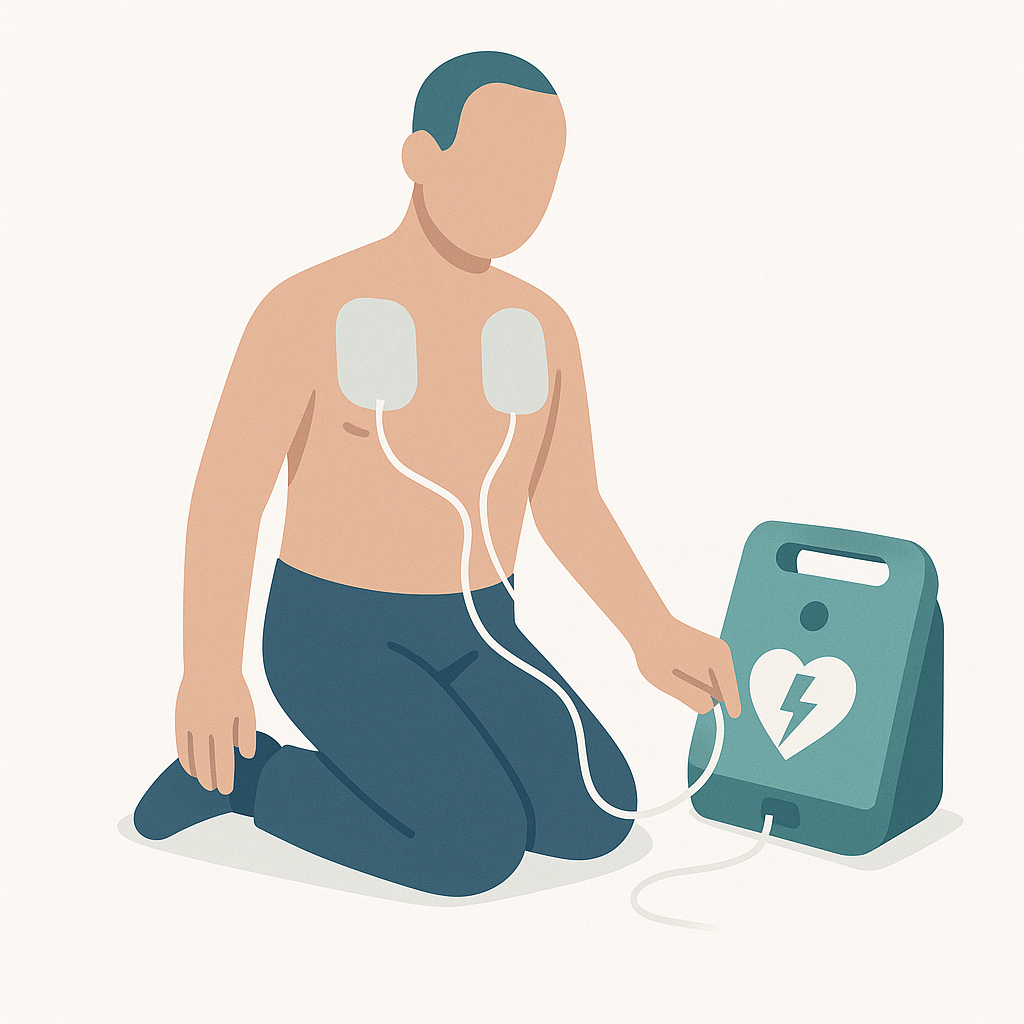
Automated External Defibrillator
An automated external defibrillator, often called an AED, is a small, easy-to-use machine that helps people who suddenly stop breathing or whose heart stops beating properly. It is an important tool in emergencies when someone has a cardiac arrest. Cardiac arrest is when the heart stops working and can no longer pump blood around the body. The AED gives a special electric shock to the heart, which can help it start beating normally again.
What is an Automated External Defibrillator?
An AED is a portable device that anyone can use, even without a medical background. It is designed to be simple and safe. The machine has clear voice instructions and pictures that help guide a person through what to do. It works by checking the heart’s rhythm through sticky pads placed on the chest. If the AED detects a problem, it will tell the user to deliver a shock.
The electric shock from the AED is called a defibrillation shock. This shock can help the heart reset and begin pumping blood again. The AED is used only when a person is in cardiac arrest—that means they are unconscious and not breathing properly.
Why is an AED Important in First Aid?
A cardiac arrest can happen suddenly, often without warning. When this happens, the person can collapse and stop responding. The brain and other important organs then do not get the oxygen-rich blood they need. Without help, the person can die within minutes.
Using an AED quickly can save a life. The sooner the AED shock is given, the better the chances are that the heart will start beating normally again. This gives doctors more time to take the person to hospital for further care.
AEDs are now found in many public places in Australia, such as shopping centres, schools, and sports venues. This means bystanders can help if someone has a cardiac arrest.
What Happens to the Body in Cardiac Arrest?
The heart is a muscle that pumps blood to the lungs and the rest of the body. Blood carries oxygen, which all parts of the body need to work well. In cardiac arrest, the heart stops beating properly and cannot pump blood. This causes the person to collapse, lose consciousness, and stop breathing normally.
Without oxygen, brain cells begin to die after a few minutes. This damage can be permanent or even cause death if no help is given. First aid actions like CPR (cardiopulmonary resuscitation) and using an AED help keep oxygen moving and try to restart the heart.
What You Might See in an Emergency
If someone is having a cardiac arrest, they will suddenly collapse and not respond when you speak to or gently shake them. They will not be breathing normally, and their skin may become pale or blue. The person will have no pulse because their heart is not beating properly.
It can be scary to see, but quick action is very important. Starting CPR and using an AED can save the person’s life before an ambulance arrives.
How an AED is Used in First Aid
A bystander who finds someone unconscious and not breathing should call emergency services immediately by dialing 000 in Australia. After calling for help, starting CPR can keep oxygen flowing to the brain and heart.
At the same time, someone should get an AED if one is nearby. The AED comes with two sticky pads attached to it. These pads go on the person’s bare chest. The AED will talk to you with clear instructions.
The AED checks the heart electrical rhythm through the pads and decides if a shock is needed. If it is, it will tell you to press a button to deliver the shock. The shock helps the heart’s muscle cells reset and possibly start beating normally again.
Even if the AED tells you not to shock, keep doing CPR until medical help arrives or the person wakes up.
Safety Tips When Using an AED
– Always make sure the person is on a dry surface before attaching the AED pads.
– Do not touch the person when the AED is analysing the heart rhythm or delivering a shock. This prevents you from getting an electric shock.
– Avoid using the AED near water if possible.
– Remove any metal necklaces or contact with jewelry where you put the pads.
– Do not place pads over implanted medical devices, like pacemakers, if you can notice them, but place the pads as shown in the AED instructions.
– Follow the voice prompts from the AED carefully and keep calm.
When to Call Emergency Services
Call 000 immediately if you find someone who has collapsed, is not responding, and is not breathing properly. After calling, keep the line open to listen to the emergency operator. They may guide you through CPR and AED use while waiting for paramedics to arrive.
Even if the heart seems to start again, it is still important for the person to receive medical care quickly.
AEDs in Public Places and at Home
Having access to an AED can make a huge difference in emergencies. Many towns, schools, workplaces, and sports clubs have AEDs available. It is a good idea to know where the nearest AEDs are in places you visit regularly.
Some people also keep an AED at home, especially if someone in the family has heart problems.
Summary
An automated external defibrillator (AED) is a life-saving device used during a cardiac arrest to try to restart the heart. It is simple and safe to use, with clear spoken instructions. The AED works by checking the heart and delivering an electric shock if needed.
If you find someone who suddenly collapses, is not awake, and is not breathing normally, call 000 straight away. Start CPR and use an AED if one is nearby. The quicker the AED is used, the better the chance of saving a life.
Remember, using an AED is an important first aid skill that anyone can use to help in a serious emergency. Stay calm, follow the AED’s instructions, and always call for professional help.
—
This guide explains what an automated external defibrillator is, why it matters in first aid, what to expect in a cardiac arrest, and how AED use fits into emergency care. Knowing about AEDs can help everyday people be ready to save a life.