Ventilation
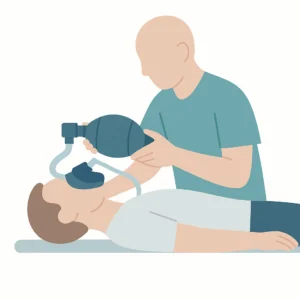
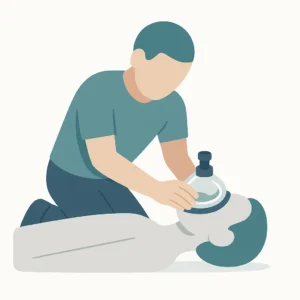
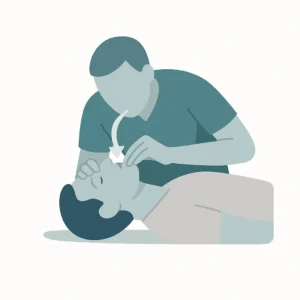
Ventilation is a crucial part of first aid that means helping someone breathe when they can’t do it well on their own, ensuring their body gets the oxygen it needs to survive and stay healthy. Knowing how to assist with…
Spontaneous Breathing
Spontaneous breathing is your body’s natural way of taking in oxygen and releasing carbon dioxide without any help—an important sign that your lungs and brain are working well. Recognizing spontaneous…
Respiratory Failure
Respiratory failure occurs when the lungs cant properly oxygenate the blood or remove carbon dioxide, making it a serious condition that requires quick action. Understanding the signs and urgency of…
Respiratory Distress
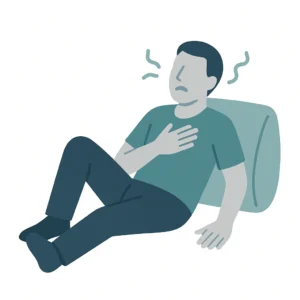
Respiratory distress occurs when someone struggles to breathe or isn’t getting enough oxygen, which can quickly become a serious situation. Recognizing the signs early and staying calm can make all…
Respiratory Arrest
Respiratory arrest is a life-threatening emergency where breathing completely stops, cutting off the bodys oxygen supply. Acting quickly with rescue breaths and calling for help can make all the difference…
Ineffective Breathing
Ineffective breathing can quickly become a serious emergency, as it means the body isn’t getting the oxygen it needs to function properly. Recognizing the signs early—like unusual breathing sounds or…
Apnoea
Apnoea is a serious condition where a person temporarily stops breathing, cutting off oxygen supply to the body. Recognizing apnoea quickly is crucial, as immediate first aid can save lives…
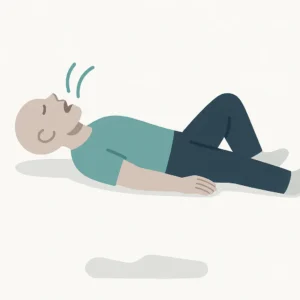
Agonal Breathing
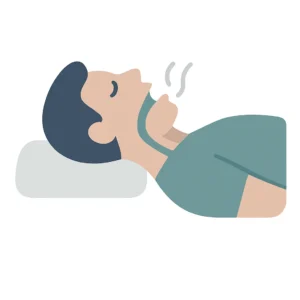
Agonal breathing is a rare and alarming type of breathing that signals a serious medical emergency, often occurring when the heart or brain is struggling. Recognizing agonal breathing quickly can…
Airway Obstruction
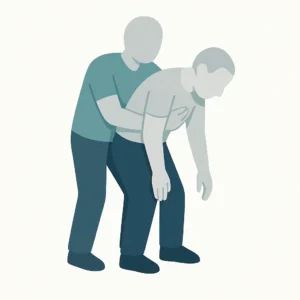
Airway obstruction happens when something blocks the flow of air to the lungs, making it hard to breathe and risking serious harm. Recognizing the signs early and acting quickly can…
Airway Management
Airway management is essential for ensuring someone can breathe freely and get the oxygen their body needs. Knowing how to quickly recognize and clear a blocked airway can make all…
ABC (Airway, Breathing, Circulation)
Understanding the ABC (Airway, Breathing, Circulation) is crucial in first aid, as it guides you to check and support the most vital body functions in the right order, keeping someone…
Resuscitation
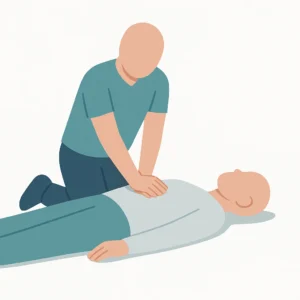
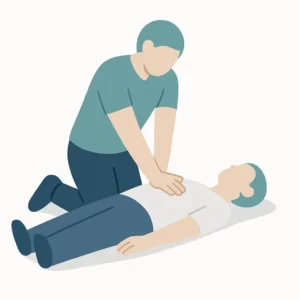
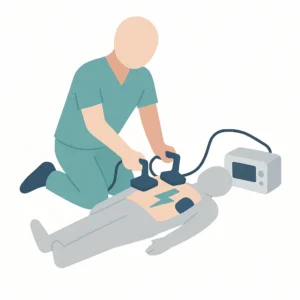
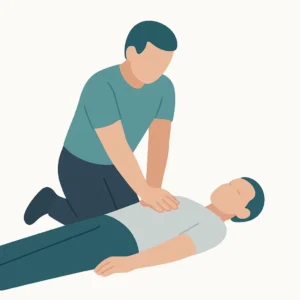
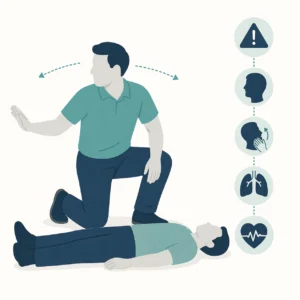
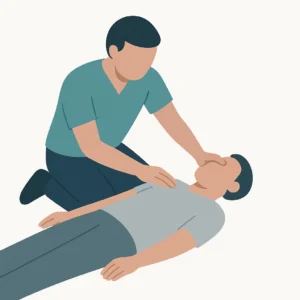
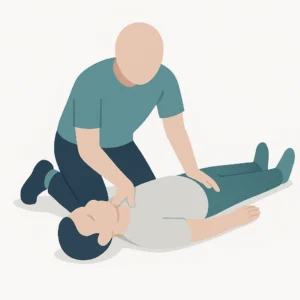
Resuscitation is a crucial life-saving skill that helps keep oxygen flowing to the brain and body when someone’s breathing or heartbeat stops. Acting quickly with techniques like CPR can make…
Wound Dressing
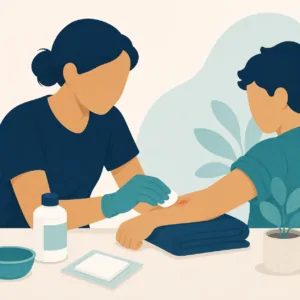
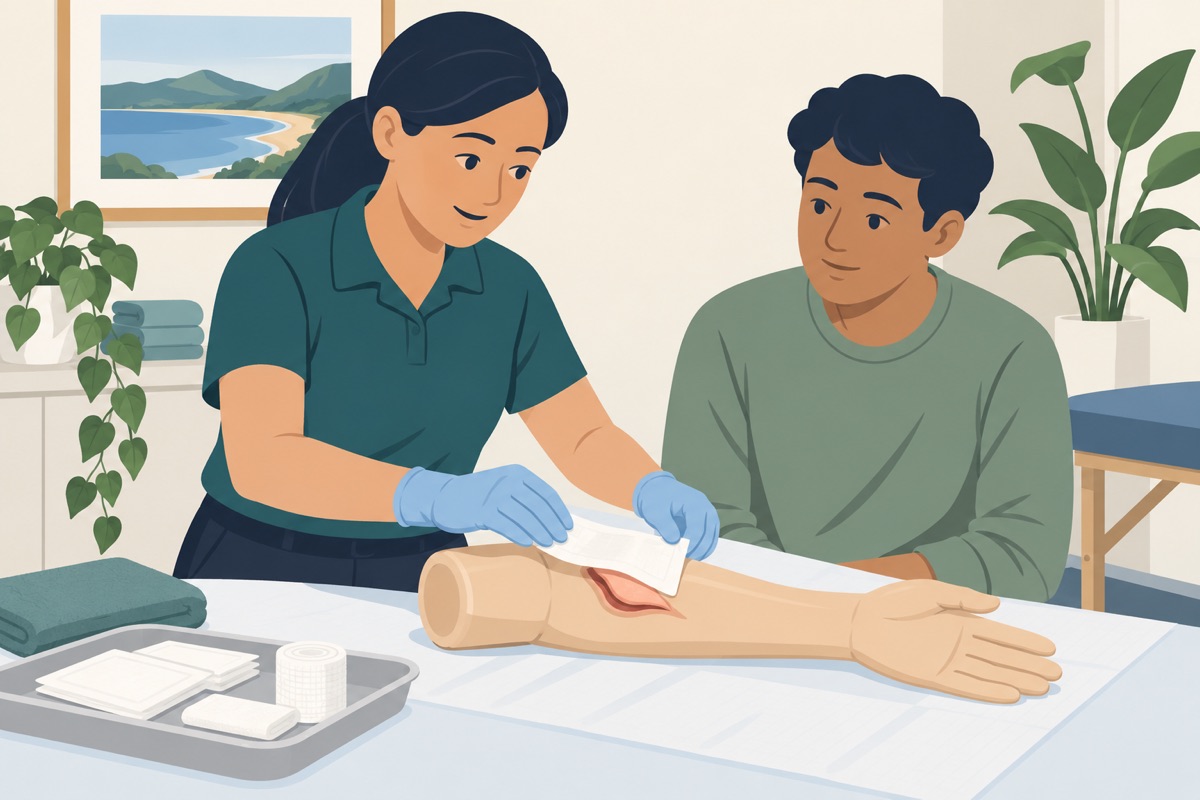
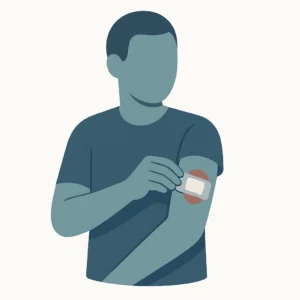
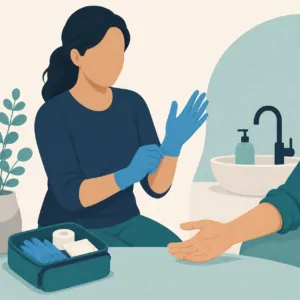
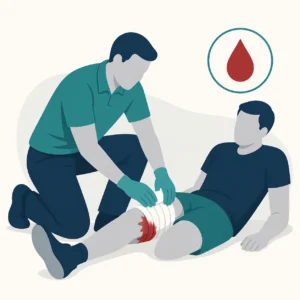
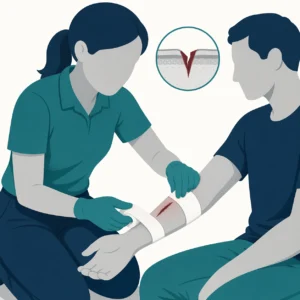
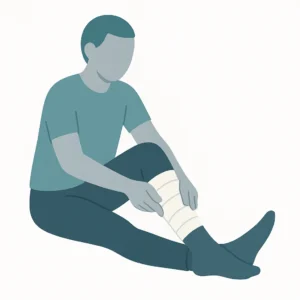
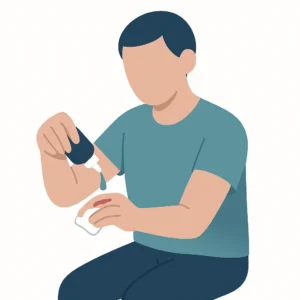
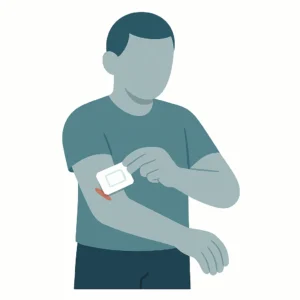
Wound dressing is a simple yet essential step in first aid that helps protect cuts and scrapes from dirt and bacteria, speeding up healing and reducing pain. By keeping the…
Wound
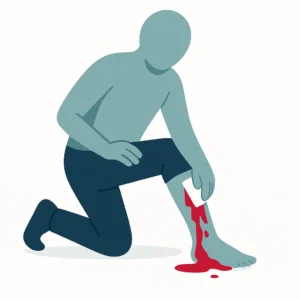
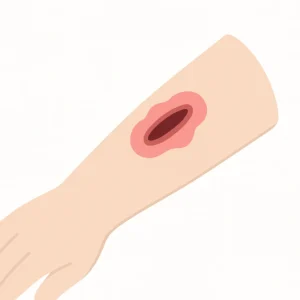
A wound is more than just a skin injury—it’s your body’s shield being broken, letting germs in and triggering the healing process. Knowing how to care for a wound properly…
Pressure Immobilisation
Pressure immobilisation is a simple yet lifesaving first aid technique that slows venom spread after bites or stings from dangerous animals like snakes and spiders. By gently pressing and keeping…
Tourniquet
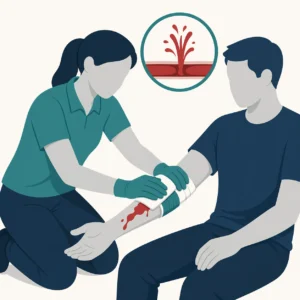
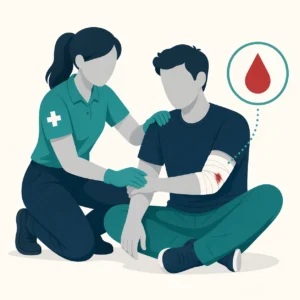
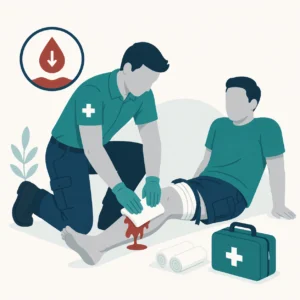
A tourniquet is a crucial first aid tool that can quickly stop heavy bleeding from serious injuries, helping to save lives when every second counts. Knowing how and when to…
CPR Face Mask
A CPR face mask is a small but vital tool that makes giving rescue breaths safer and easier during an emergency, protecting both the first aider and the person in…
Dehydration
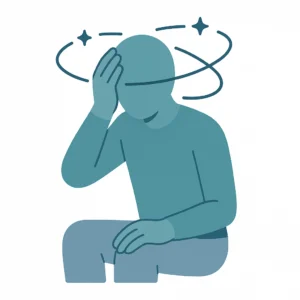
Dehydration happens when your body loses more water than it takes in, leading to tiredness, dizziness, and other serious health issues. Knowing how to spot dehydration early can help you…
Heat Exhaustion
Heat exhaustion occurs when your body overheats and struggles to cool down, often after spending too much time in the sun or doing intense activity without enough water. Recognizing the…
Heat Stroke
Heat stroke is a dangerous condition that occurs when the body overheats and can no longer cool down, causing serious damage to vital organs. Knowing the signs and acting quickly…
Soft Tissue Injury
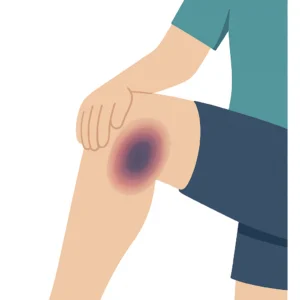
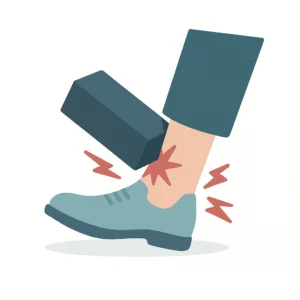
Soft tissue injury affects muscles, ligaments, tendons, and skin, often causing pain, swelling, and bruising after everyday bumps, falls, or sports mishaps. Understanding how to identify and care for these…
Strain
A strain happens when muscles or tendons are stretched or torn, often causing pain and swelling, especially after heavy lifting or sudden movements. Knowing how to recognize and care for…
Sprain
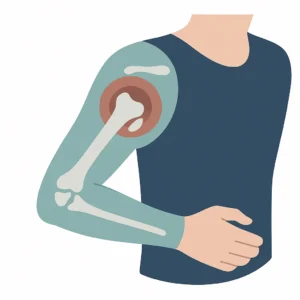
A sprain happens when ligaments—the tough bands that connect bones and keep joints stable—are stretched or torn, often causing pain, swelling, and limited movement. Knowing how to recognize and treat…
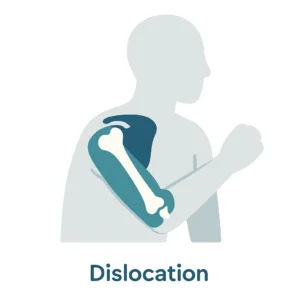
Dislocation
A dislocation happens when bones in a joint slip out of their normal position, causing sharp pain and difficulty moving the area. Knowing how to recognize and respond to a…
Burn
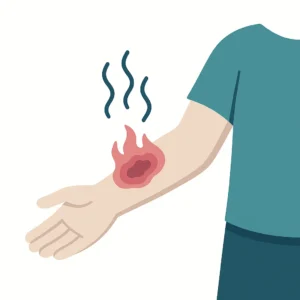
A burn is an injury that happens when your skin is damaged by heat, chemicals, electricity, or radiation. Understanding the basics of burns and how to treat them quickly can…
Snake Bite
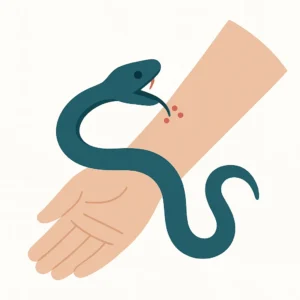
A snake bite occurs when a snake’s teeth break the skin, sometimes injecting venom that can cause serious health issues. Knowing how to recognize the signs of a snake bite…
Overdose
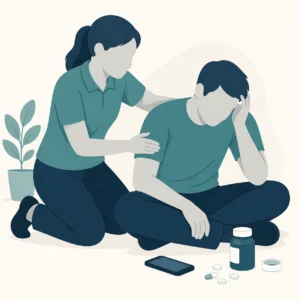
An overdose happens when someone takes too much of a medicine or harmful substance, which can quickly turn into a serious emergency. Knowing the signs and acting fast can make…
Poisoning
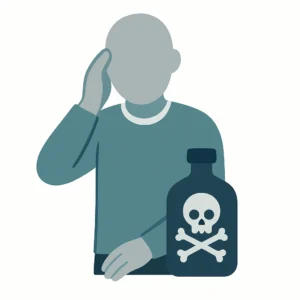
Poisoning can happen in many everyday ways, from accidental swallowing to insect bites, and knowing how to recognize the signs and act quickly can make all the difference in keeping…
Drowning
Drowning can happen quickly and quietly, making it crucial to recognize the warning signs and act fast to save a life. Understanding how drowning occurs helps you stay safe in…
Spinal Injury
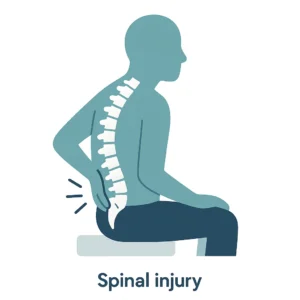
A spinal injury can have serious consequences because it affects the spine’s vital role in protecting the spinal cord, the nerve highway between your brain and body. Knowing how to…
Head Injury
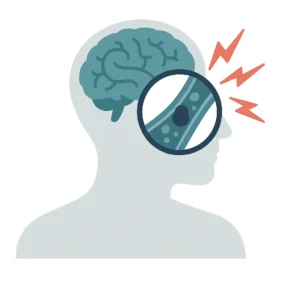
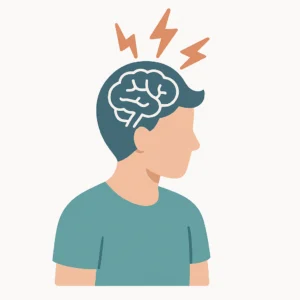
A head injury can happen anytime the head takes a hit, and while some bumps seem minor, others can affect the brain in serious ways—knowing the signs and when to…
Epilepsy
Epilepsy is a brain condition that causes seizures, which can look very different from person to person. Knowing how to stay calm and keep someone safe during a seizure is…
Seizure
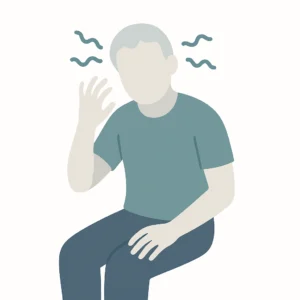
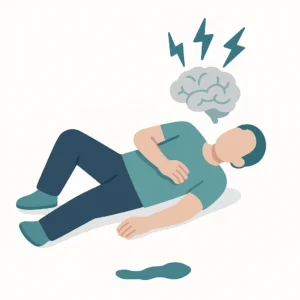
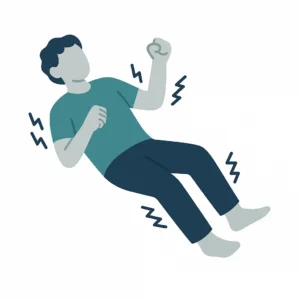
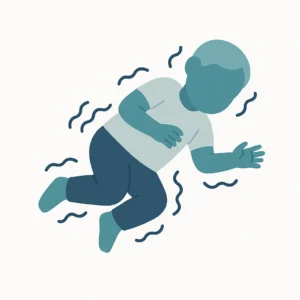
A seizure happens when the brain suddenly sends out a burst of electrical activity, causing unexpected movements or confusion. Knowing how to recognize a seizure and what to do can…
Hyperglycaemia
Hyperglycaemia happens when there’s too much sugar in the blood, which can sneak up on you without obvious symptoms but lead to serious health issues if left unchecked. Understanding hyperglycaemia…
Hypoglycaemia
Hypoglycaemia happens when your blood sugar drops too low, making it hard for your body and brain to work properly. Recognizing the signs early and knowing how to give first…
Diabetic Emergency
A diabetic emergency occurs when blood sugar levels become dangerously high or low, requiring fast action to prevent serious health risks. Knowing how to recognize and respond to these emergencies…
Asthma Inhaler
An asthma inhaler is a small but powerful device that helps open up tight airways, making it easier to breathe during an asthma attack. In emergencies, this quick-relief tool can…
Asthma
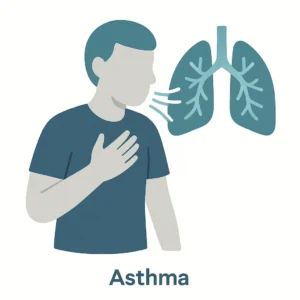
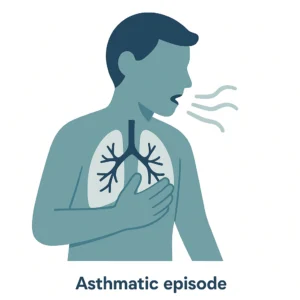
Asthma affects the lungs by narrowing the airways, making it hard to breathe during an asthma attack. Understanding these symptoms and how to respond can help keep those with asthma…
EpiPen
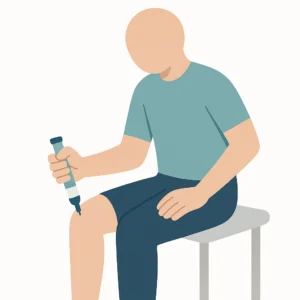
An EpiPen is a lifesaving device that delivers a quick dose of adrenaline to stop severe allergic reactions, making it an essential tool for anyone at risk of anaphylaxis. Easy…
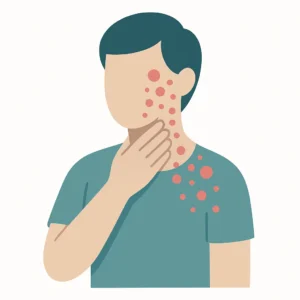
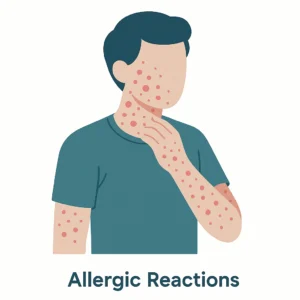
Allergic Reaction
An allergic reaction happens when your body overreacts to something harmless, like pollen or certain foods, causing symptoms that can range from a mild rash to serious breathing problems. Knowing…