
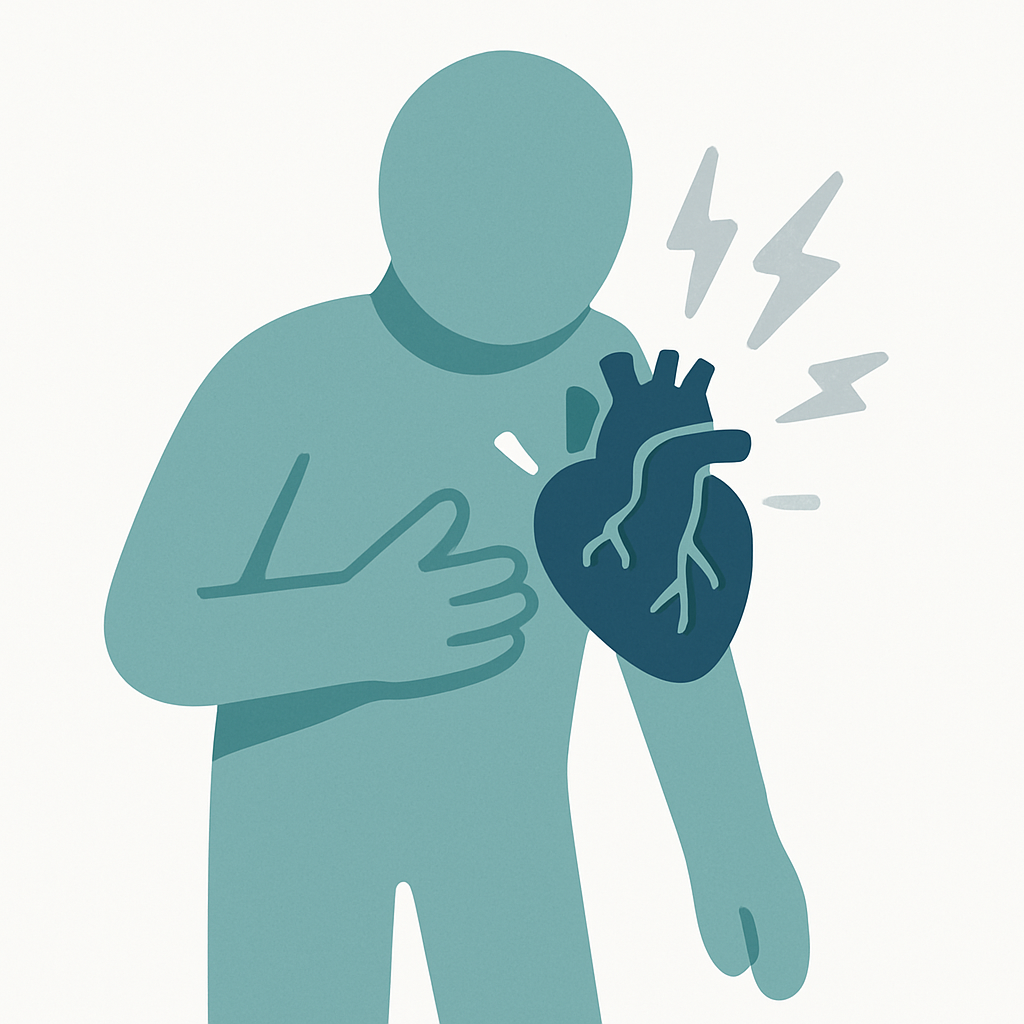
Heart Attack
A heart attack is a serious health problem that happens when the blood flow to a part of the heart stops or is blocked. This means the heart does not get enough oxygen, and some of the heart muscle can get damaged or die if the problem lasts too long. A heart attack is a medical emergency. It needs quick action to help the person and to prevent a worse condition, like heart failure or death.
What is a Heart Attack?
Your heart is a muscle that pumps blood to your body. To work well, the heart muscle needs a constant supply of oxygen-rich blood. This blood comes through blood vessels called coronary arteries. When one of these arteries gets blocked, usually because of a build-up of fat or a blood clot, the blood cannot reach part of the heart.
Without oxygen, the heart muscle starts to get hurt. This is called a heart attack or medically, a myocardial infarction. The longer the heart muscle goes without blood, the more damage happens.
Why is a Heart Attack Important in First Aid?
A heart attack is one of the most serious emergencies you can face. If someone has a heart attack, they may need help immediately. First aid can save lives. It can also reduce the damage to the heart by helping blood flow start again or by supporting the person until medical help arrives.
Knowing what to do if someone seems to be having a heart attack is very important. It can help you act fast, keep the person calm, and make it easier for emergency workers to give the right treatment when they arrive.
Signs and Symptoms of a Heart Attack
A heart attack can feel different for different people. Some sudden signs to watch for are:
– Chest pain or discomfort. This can feel like squeezing, pressure, heaviness, or tightness. The pain might last for more than a few minutes or come and go.
– Pain or discomfort in other parts of the body. This can include the jaw, neck, back, stomach, or one or both arms.
– Shortness of breath, which means it feels harder to breathe or you cannot get enough air.
– Feeling very tired or weak without a clear reason.
– Sweating a lot, often cold and clammy sweat.
– Feeling dizzy, lightheaded, or about to faint.
– Nausea or vomiting, which means feeling sick or throwing up.
– Suddenly feeling very anxious or having a sense of doom.
In some cases, a person might have a heart attack without any pain. This is more common in older adults, women, and people with diabetes.
What to Do in a Heart Attack Emergency
If you think someone is having a heart attack, stay calm and act fast. Here are some simple steps you can take:
– Call emergency services immediately. In Australia, dial 000. Tell them you think someone is having a heart attack and give the address or location.
– Keep the person calm and resting. Help them sit or lie down in a comfortable position that does not cause pain.
– Loosen any tight clothing. This can help the person breathe easier.
– If the person is conscious and not allergic, give them aspirin. Aspirin can help prevent further blood clots. Make sure they chew it slowly.
– Be ready to start CPR if the person becomes unconscious or stops breathing. CPR (cardiopulmonary resuscitation) helps keep blood flowing until medical help arrives.
– Stay with the person until help comes. Offer comfort and watch for any changes in their condition.
Why Calling 000 is Important
Calling 000 means emergency help is on the way. Paramedics have special equipment and medicines to treat a heart attack. They can start important treatments before reaching the hospital. This quick response can save the person’s life and reduce heart damage.
Do not wait to call emergency services if you are unsure. It is better to be safe and get professional help fast.
What Happens to the Body During a Heart Attack?
When the heart does not get blood, the muscle cells begin to die. This causes damage to the area served by the blocked artery. The heart works less well because of this damage.
If the heart muscle is badly hurt, it might stop beating properly. This can cause serious problems like cardiac arrest, which means the heart stops working altogether. Without immediate help, this can be fatal.
How Does First Aid Help?
First aid helps in several ways during a heart attack:
– It makes sure the person is safe and comfortable.
– It reduces stress on the heart by keeping the person calm and still.
– Giving aspirin, if possible, helps stop blood clots from getting bigger.
– CPR keeps blood flowing if the heart stops.
– Calling for emergency help makes sure an ambulance and experts arrive quickly.
General Safety Tips Around Heart Attacks
– Never ignore chest pain or discomfort that lasts more than a few minutes.
– Know the signs of a heart attack and how to respond.
– Help older people, people with heart disease, or those with risk factors if they show symptoms.
– Avoid moving the person too much or causing them to panic.
– Do not give the person anything to eat or drink unless advised by emergency services.
When to Call Emergency Services
If you see or suspect someone is having a heart attack, call 000 immediately if:
– They have chest pain or pressure that lasts more than a few minutes.
– They have difficulty breathing or are suddenly weak.
– They lose consciousness or stop breathing.
– They have symptoms that worry you, even if not all typical signs are present.
Quick action can save lives. Every minute counts in a heart attack emergency.
Summary
A heart attack is when part of the heart does not get enough blood and oxygen. This can cause damage to the heart muscle and is very serious. Recognising the signs and giving the right first aid can help save a life. Keep the person calm, call 000, give aspirin if possible, and be ready to start CPR if needed.
Knowing what a heart attack is and how to help is important for everyone. Being prepared can make a big difference if someone near you has this emergency. Remember, calling for expert help is always the best first step.