
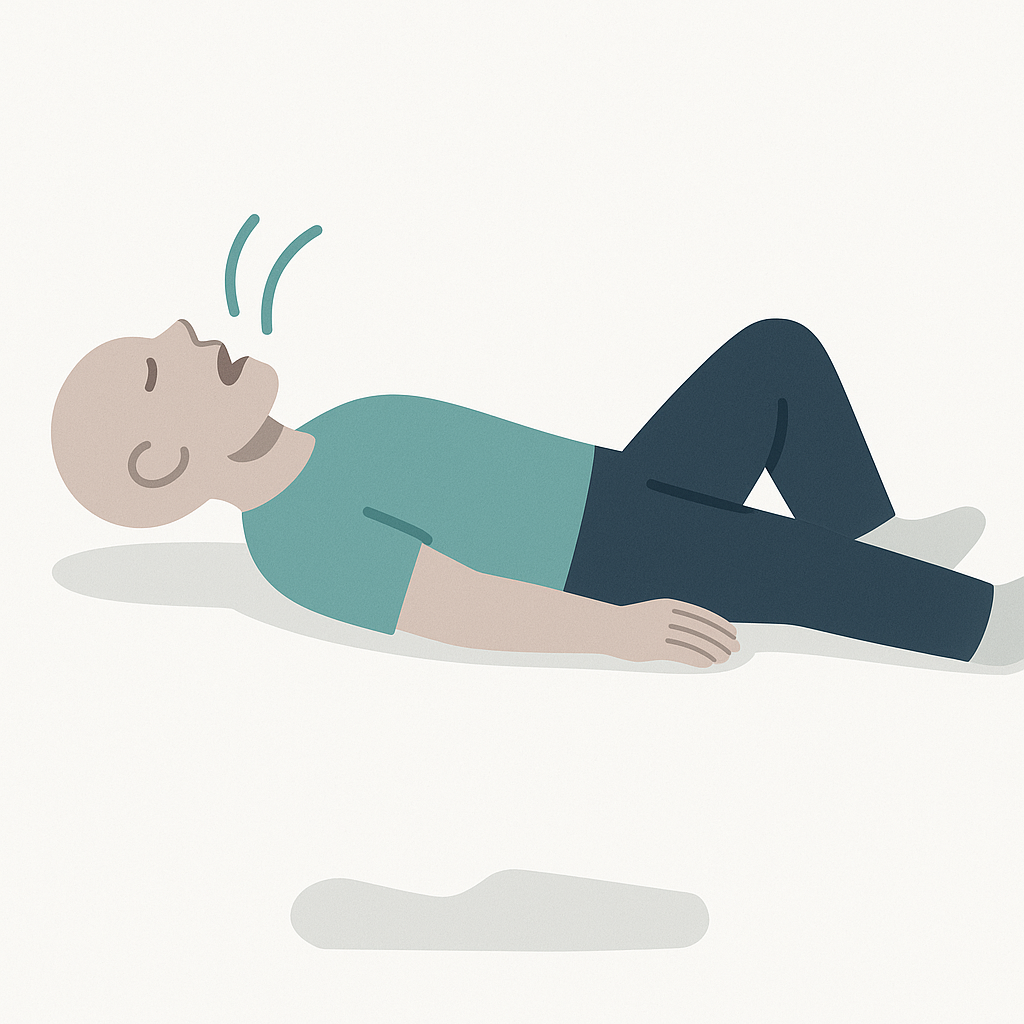
Agonal Breathing
Agonal breathing is a term used to describe a very unusual and sometimes scary type of breathing. It happens when a person’s body is in serious trouble, often when the heart or brain is not working properly. This kind of breathing looks different from normal breathing and can be a sign that a person needs urgent first aid and medical help right away.
What Is Agonal Breathing?
Agonal breathing is not normal breathing. It usually happens when a person is very sick, injured, or even dying. Sometimes it happens after the person’s heart has stopped beating properly. Instead of regular breaths, the person may take strange, gasping, or weak breaths. These breaths may sound noisy, like snoring or wheezing, and they may be slow and irregular.
This type of breathing is the body’s last attempt to get some air into the lungs. It does not mean the person is getting better. In fact, agonal breathing shows that the person’s brain and body are not getting enough oxygen. It usually means that the person is very close to or already in a life-threatening situation.
Why Is Agonal Breathing Important in First Aid?
Recognising agonal breathing is very important if you are helping someone who might be in an emergency. People often confuse agonal breaths with normal breathing and think the person is okay. This can be dangerous because when someone is agonal breathing, they may actually need immediate life-saving help, like CPR (cardiopulmonary resuscitation).
If someone is unconscious and showing signs of agonal breathing, emergency services must be called right away by dialling 000 in Australia. Time is very important in these situations. Getting help quickly gives the person the best chance of survival.
What Does Agonal Breathing Look Like?
Agonal breathing can be hard to understand if you have never seen it before. It is not calm or steady. Instead, it often looks like gasping or struggling for air. The person may make strange sounds or appear to be trying to breathe but without success.
You might see the chest or belly move in a jerky or uneven way. The breaths might be very slow, maybe only a few times a minute. Sometimes the person’s face or skin may look pale, blue, or sweaty because the body is not getting enough oxygen.
It is important to remember that agonal breathing is not a sign of recovery. Even though the person is making some breathing sounds, they are still in a very serious condition.
When Might You See Agonal Breathing?
Agonal breathing usually happens in emergencies when the body is failing. This can include:
– After a heart attack or sudden cardiac arrest.
– Following a severe injury or trauma.
– In cases of severe illness that affect breathing or the brain.
– When someone is unconscious and not breathing normally.
If you see agonal breathing, it means the person needs urgent care.
What Should You Do if You See Agonal Breathing?
If you are with someone who seems to be agonal breathing, you should act quickly and calmly.
First, check if the person is responsive. Gently try to wake them by talking loud or touching them. If they do not respond and are showing agonal breathing, this is an emergency.
Call 000 immediately for an ambulance. When calling, stay calm and tell the operator what is happening. They will give you advice on what to do next.
While waiting for emergency help, you can start basic first aid actions that are safe to do, such as CPR. CPR helps keep blood and oxygen moving in the body until medical help arrives.
Make sure the area around the person is safe. If they are in danger, try to move them to a safer place carefully. But if moving the person could cause more harm, it is best to keep them where they are.
Do not try to give the person food, drink, or medicines.
General Safety Tips
Always make sure you are safe before helping others. If there are risks like traffic, fire, or electrical dangers, take care not to put yourself in trouble.
Use gloves or a barrier like a cloth if you can to protect yourself from blood or body fluids when giving first aid.
Get help from others nearby if you can. Having someone else call emergency services while you provide first aid is very useful.
Know the emergency number 000 and how to explain clearly where you are and what the situation is.
Why Does Agonal Breathing Happen?
Agonal breathing happens because the brain is struggling to tell the body how to breathe properly. When the heart stops pumping blood well, the brain and lungs do not get enough oxygen. This stops the normal breathing rhythm.
The body tries to survive by making gasping breaths, but these are not effective for getting enough air. The person will still need urgent help to get oxygen back to the brain and organs.
How Is Agonal Breathing Different from Normal Breathing?
Normal breathing is steady, quiet, and regular. The chest rises and falls smoothly about 12 to 20 times a minute in a healthy adult. The breaths are deep enough to bring oxygen into the lungs.
In contrast, agonal breathing is irregular, slow, and weak. It is not enough to keep the person alive on its own. The sounds and movements are often strange and may make people worry.
Recognising this difference can help you know when someone needs emergency help.
When Should You Call Emergency Services?
Call emergency services by dialling 000 if you see someone who:
– Is unconscious or cannot be woken.
– Has stopped breathing or is breathing abnormally, such as with agonal breaths.
– Shows no signs of normal movement or response.
The sooner you call for help, the better the person’s chances. Listen to the emergency operator and follow their instructions carefully.
Conclusion
Agonal breathing is a rare but serious sign that a person is in trouble and needs urgent help. It is different from normal breathing and usually means the person is very close to or has stopped breathing properly.
If you see someone who is unconscious and making gasping or strange breaths, do not wait. Call 000 right away and be ready to help with first aid until professionals arrive.
Remember, staying calm, recognising the signs, and acting quickly can save lives in emergencies involving agonal breathing. Knowing what agonal breathing looks like helps you help others when they need it the most.