
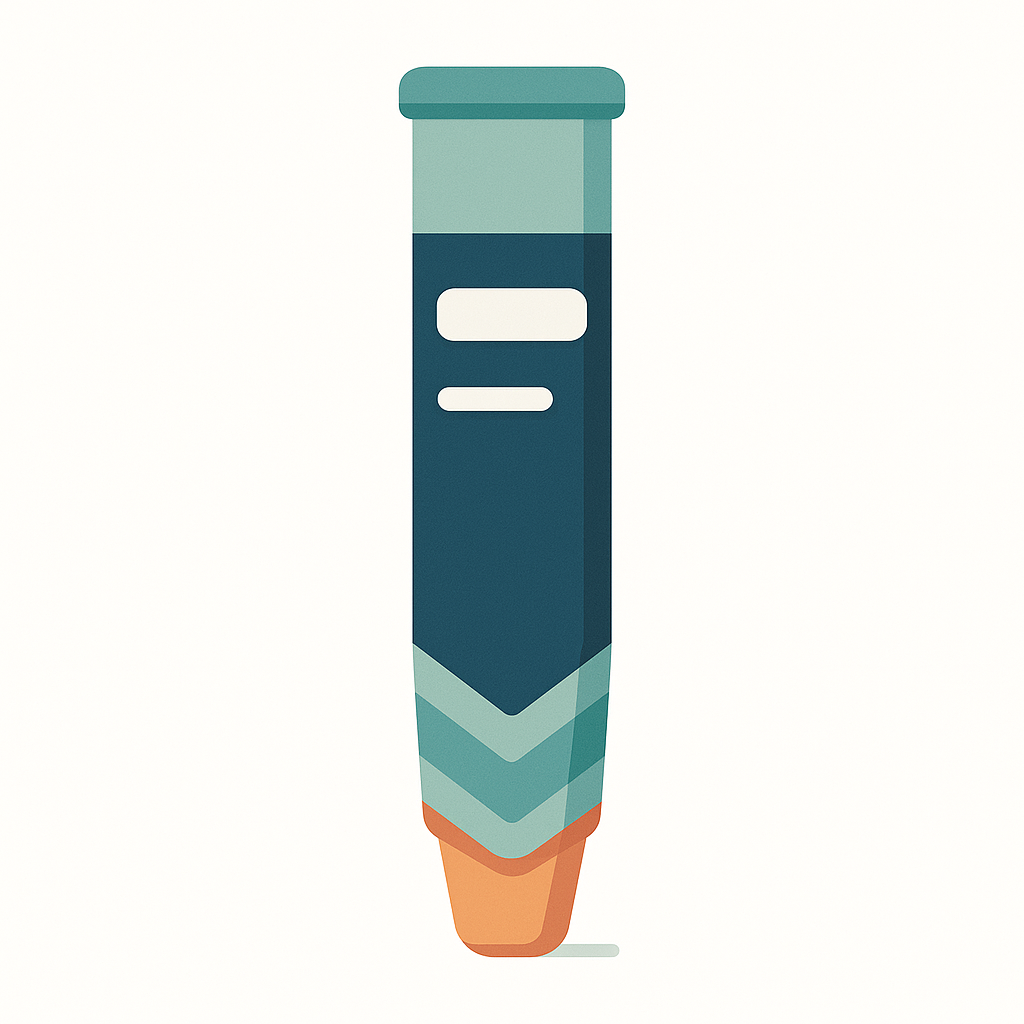
EpiPen
An EpiPen is a special medical device used to help someone who is having a very serious allergic reaction. This serious allergic reaction is called anaphylaxis. Anaphylaxis can happen quickly and can make it hard for a person to breathe, cause their throat to swell, or make their heart beat in a dangerous way. The EpiPen helps by giving a strong medicine called adrenaline straight into the body. Adrenaline works fast to open up the airways and improve blood flow, which can save a person’s life before they get to the hospital.
What is an EpiPen?
An EpiPen is like a small pen that has a needle hidden inside it. It is easy to carry and use in an emergency. The pen contains a pre-measured dose of adrenaline, which is also called epinephrine. This medicine can quickly stop the bad effects of an allergic reaction. Most people who carry an EpiPen carry it because they know they have allergies that could cause anaphylaxis. Allergies might be from foods like peanuts, bee stings, or some medicines.
Why is an EpiPen Important in First Aid?
Anaphylaxis is an emergency where every second counts. When someone has anaphylaxis, their breathing can become blocked, their blood pressure can drop, and they may lose consciousness. If no medicine is given quickly, this can be life-threatening. Using an EpiPen injects adrenaline into the muscles to help the person breathe better and keep their blood flowing. It buys time until emergency medical help arrives.
What Happens During an Allergic Reaction?
When someone is exposed to something they are very allergic to, their body reacts strongly. Their immune system thinks the allergen is harmful, even if it is not dangerous to most people. This causes the body to release chemicals that can make the throat swell so the person cannot breathe well. The skin can get a rash or swell, and the person’s heartbeat can become fast or irregular. They may feel dizzy, weak, or have stomach pain. In some cases, the person might faint.
Signs someone might need an EpiPen include:
– Difficulty breathing or noisy breathing
– Swelling of the face, lips, tongue or throat
– Tightness in the chest
– Severe skin rash or hives (red, itchy bumps)
– Feeling weak, dizzy, or faint
– A sudden feeling of intense anxiety or confusion
How to Use an EpiPen Safely
An EpiPen is designed to be quick and simple to use in an emergency. You press the device firmly against the outer thigh (the side of the upper leg), and the needle automatically releases the medicine. You do not need to find a vein or muscle because the EpiPen is made to inject correctly when used as instructed.
The person you help should try to stay still and calm after the injection. This helps the medicine work better. It is also important to call emergency services (triple zero 000) right after giving the EpiPen, even if the person starts to feel better. Anaphylaxis can come back or get worse, so doctors need to check and treat the person in hospital.
General Safety Tips with an EpiPen
Never try to remove the needle yourself. After using the EpiPen, put it into a sharps container or give it to medical staff. Keep an EpiPen away from children unless they are trained to use it and adults are nearby.
Do not use an EpiPen unless you are sure the person is having a serious allergic reaction. Using it when it is not needed is not good, but it is much safer to use it when unsure than not using it at all during an emergency.
Remember that an EpiPen is only a first aid step. It is not a cure. The person still needs medical care as soon as possible.
When to Call Emergency Services
Call 000 immediately if:
– The person has trouble breathing or looks very unwell after an allergic reaction.
– You have used an EpiPen to treat an allergic reaction.
– The person collapses, stops responding, or has a seizure.
– You are unsure about the severity of the situation.
Calling 000 brings help quickly. While waiting for help to arrive, stay with the person and keep them comfortable. If they can sit up, help them to do so. If they feel faint, lay them down with their legs raised to help blood flow.
What if You Don’t Have an EpiPen?
If someone is having a serious allergic reaction and does not have an EpiPen, you still need to call 000 right away. Keep the person calm and try to help them breathe better by sitting them up if possible. Removing any trigger if safe to do so (like a bee sting) can be helpful. Don’t give them anything to eat or drink if they are having trouble swallowing.
Summary
An EpiPen is a life-saving medicine in a pen that people can use during very bad allergic reactions called anaphylaxis. It works by quickly delivering adrenaline, which helps a person breathe and keeps their blood flowing. If someone shows signs of a serious allergic reaction, using an EpiPen and calling 000 immediately can save their life. Remember, after giving an EpiPen, the person still needs medical care, so stay with them and wait for emergency help. Knowing about EpiPens helps everyday people be ready to help in emergencies.