
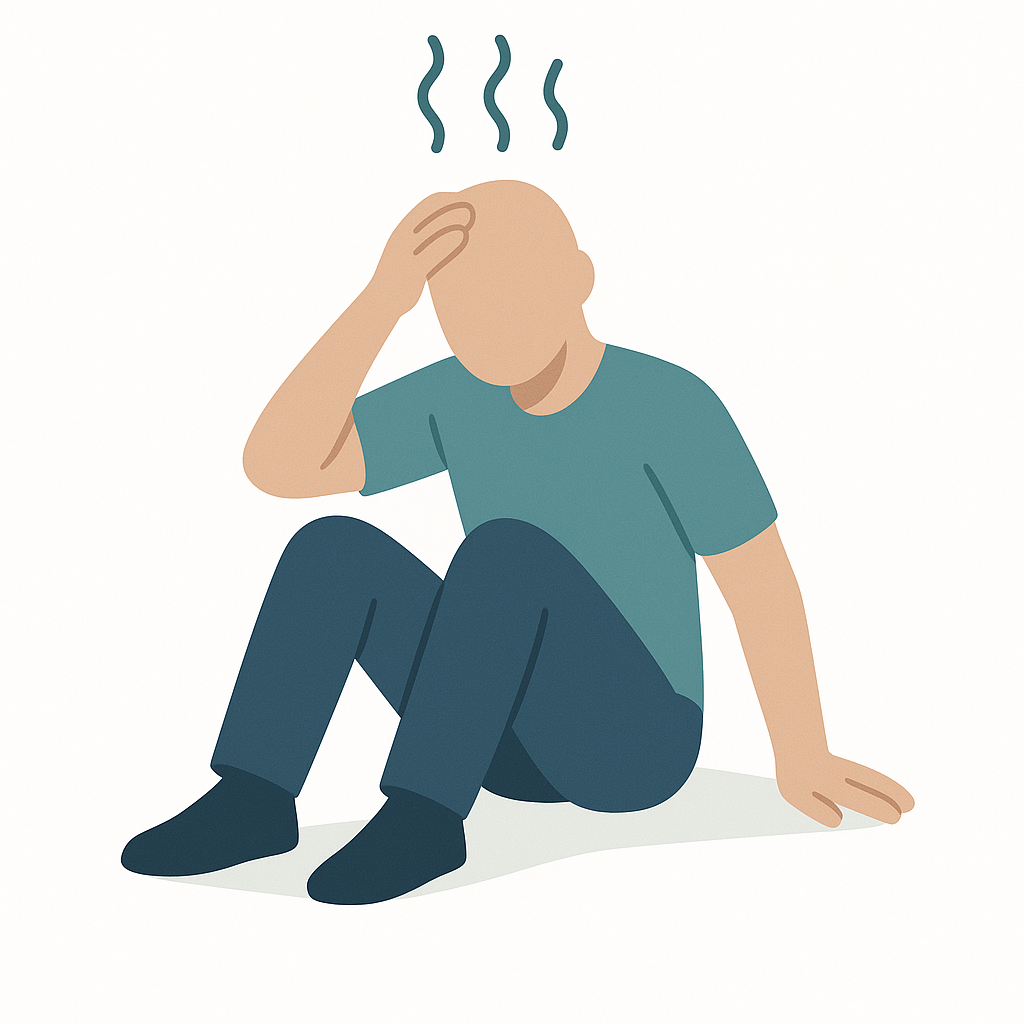
Heat stroke is a serious condition that happens when the body gets too hot. It can happen when someone is outside in very hot weather or doing hard exercise in the heat. When the body gets hotter than 40 degrees Celsius and can no longer cool down, heat stroke can happen. This is an emergency because the body’s important parts, like the brain and heart, can stop working properly.
Heat stroke is different from heat exhaustion, which is less serious. But heat stroke can be life-threatening. It needs quick action to cool the person down and to get help. Knowing about heat stroke helps you recognise it and act fast if someone is in trouble.
What happens in heat stroke?
Your body usually keeps its temperature close to 37 degrees Celsius. It cools down by sweating and sending more blood to the skin. But if it’s very hot or you are working very hard, this cooling system can stop working.
When the body can’t get rid of heat, the temperature rises quickly. The brain and other parts can stop working well. This causes heat stroke symptoms. If not treated fast, heat stroke can cause serious harm or even death.
What does heat stroke look like?
Someone with heat stroke will often feel very hot and sweaty at first, but then their skin may become dry and red. They might look confused, dizzy, or very tired. Some people may faint or stop answering you. They could have a headache or feel sick in the stomach. In some cases, they may have seizures, which means their body shakes in an uncontrolled way.
Not everyone will have the same signs, but these are some common things to watch for. If you see someone who might have heat stroke, this is a very serious emergency.
Who can get heat stroke?
Anyone can get heat stroke if they are in hot conditions for too long. Older people, young children, and people with certain health problems are at higher risk. People working or exercising in hot weather need to be careful too.
It can also happen if someone drinks alcohol or takes drugs that make it hard to sweat or cool down. People who wear heavy clothes or protective gear can get heat stroke because it stops sweat from evaporating.
Why is heat stroke dangerous?
Heat stroke is dangerous because it stops the brain and body from working like they should. Without quick help, the person’s organs can be damaged. This includes the heart, kidneys, liver, and brain. Organ damage can cause permanent problems or death.
Heat stroke can also make a person stop breathing or lose consciousness. This means they may not be able to get help themselves.
What should you do if someone has heat stroke?
If you think someone has heat stroke, call emergency services immediately by dialling 000 in Australia. Heat stroke is a medical emergency and the person needs to get professional help fast.
While waiting for help:
Move the person to a cooler place if you can. This might be in the shade, inside a building with air conditioning, or near a fan.
Help cool them down by removing extra clothing. You can also cool their skin with water. Pour cool water over their skin or use wet cloths. If possible, use a fan or something that makes air move to cool the person down faster.
Make sure the person drinks water if they are awake and able to swallow. Do not give them any drinks with caffeine or alcohol.
Keep the person lying down and make them comfortable. If they feel faint, raise their legs slightly.
Watch them closely. If they lose consciousness, do not leave them alone. Make sure their airway is clear and open.
Do not give them medicines to reduce fever before reaching medical help, unless advised by a healthcare professional.
How can heat stroke be prevented?
One of the best ways to avoid heat stroke is to stay cool and hydrated on hot days.
Drink plenty of water throughout the day. Avoid drinks that can dehydrate you, like alcohol or sugary drinks.
Wear light, loose clothing and a hat outside. Try to stay in the shade or indoors when it is very hot.
Avoid heavy exercise or hard work in the heat. If you have to be outside, take regular breaks in a cool place.
Be extra careful with children, elderly people, and those who have health problems.
Learn the signs of heat-related illness. Acting quickly can prevent heat stroke.
What is the difference between heat stroke and heat exhaustion?
Heat exhaustion happens when your body loses too much water and salt through sweating. You may feel very tired, dizzy, or shaky. Your skin may be cool and clammy.
Heat stroke is more serious. It happens when your body’s temperature is very high and the cooling system breaks down. In heat stroke, the skin may feel hot and dry, and the person may become confused or lose consciousness.
Both need attention, but heat stroke requires emergency help right away.
When to call 000
Call 000 immediately if someone has any signs of heat stroke. This means if they:
Look very hot with red or dry skin
Are confused, dizzy, or very sleepy
Have seizures (uncontrolled body shaking)
Have stopped responding or fainted
If you are unsure but the person seems very unwell in hot conditions, it is safer to call emergency services.
For less serious heat problems, you can help them cool down and watch; but don’t wait with any serious signs.
Keeping safe around heat
The weather in Australia can get very hot, especially in summer. Learning about heat stroke helps keep us and those around us safe.
Make sure to have plenty of water when you are outside.
Wear sunscreen and avoid long exposure to the sun.
Look after children and older people, who get hotter faster.
Plan activities like exercise and work early in the morning or late in the afternoon when it is cooler.
Heat stroke is serious, but you can help by knowing what it is and acting quickly.
Summary
Heat stroke is when the body gets too hot and cannot cool down. It causes serious problems with how the brain and body work. Signs include very hot skin, confusion, dizziness, seizures, and fainting. It needs emergency help by calling 000 in Australia.
To help, move the person to a cooler place, cool their skin with water, remove heavy clothing, and keep them hydrated if possible. Prevent heat stroke by staying cool and drinking water in hot weather. Always be quick to get help because heat stroke can be life threatening.
Understanding heat stroke helps everyone stay safe during hot weather and emergencies.