
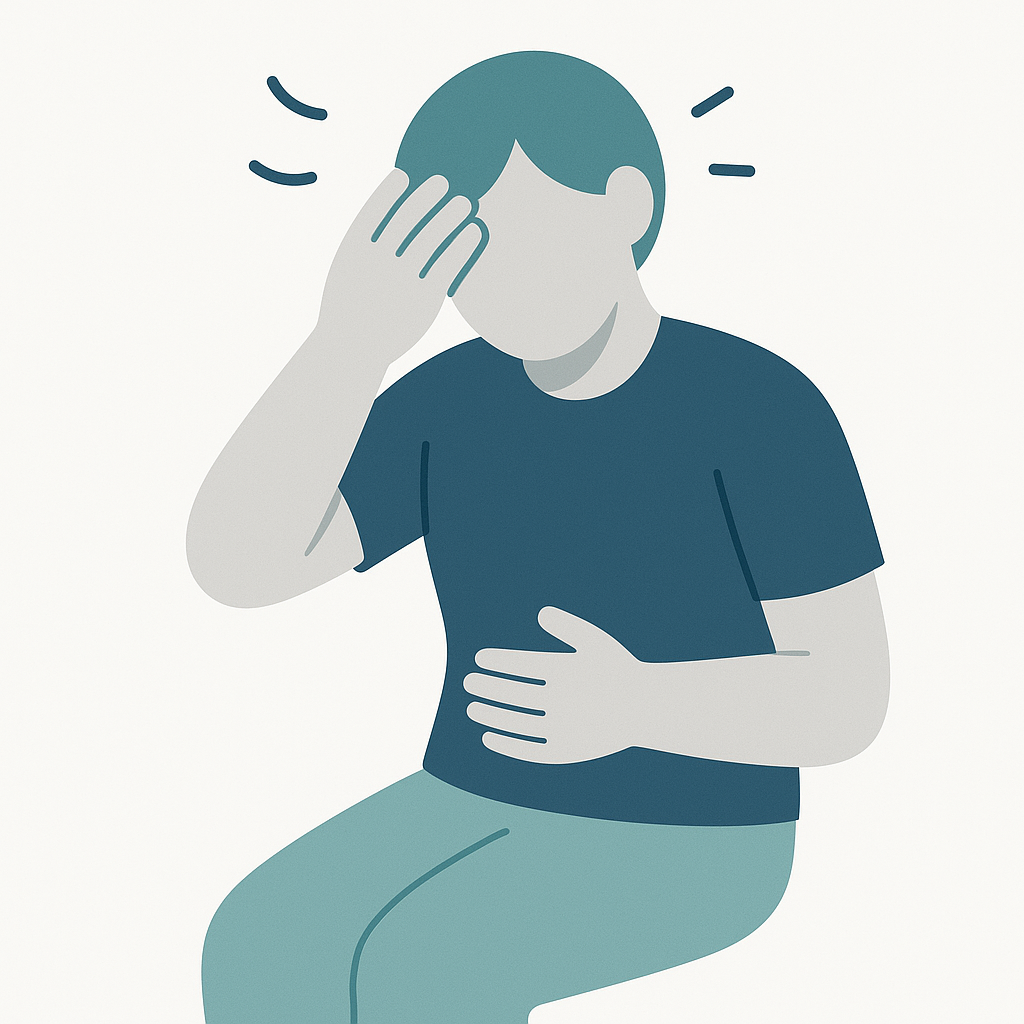
Hypoglycaemia
Hypoglycaemia is a medical word that means low blood sugar. Blood sugar is the sugar in your blood. Your body uses this sugar to give you energy. If the sugar level in your blood is too low, your body and brain may not work well. This can make someone feel very unwell and need first aid help quickly.
What is Hypoglycaemia?
Hypoglycaemia happens when the amount of sugar in the blood falls below what the body needs to work properly. This sometimes happens to people with diabetes. Diabetes is a condition where the body cannot control blood sugar like it should. Sometimes, people with diabetes take medicine that lowers their blood sugar. If they take too much medicine, don’t eat enough food, or exercise too much, their blood sugar can drop.
Hypoglycaemia can also happen to people without diabetes, but this is less common. It might happen if someone has not eaten for a long time or has another illness.
Why is Hypoglycaemia Important in First Aid?
Hypoglycaemia is important because the brain needs sugar to work. Without enough sugar, the brain can stop working right away. This can cause serious problems like confusion, fainting, or seizures. If hypoglycaemia is not treated quickly, it can be very dangerous or even life threatening.
First aid can help people with hypoglycaemia feel better fast. Giving sugar in the right way can bring their blood sugar back to a safe level. Knowing what to do can save a person’s life.
Signs and Symptoms of Hypoglycaemia
When someone has hypoglycaemia, they might feel or look different than usual. Some common signs are:
Feeling shaky or trembling
Sweating a lot, even if they are not hot
Feeling very hungry
Looking pale or having cold, clammy skin
Feeling weak or tired
Having a fast heartbeat or feeling like their heart is racing
Feeling dizzy or light-headed
Feeling confused or having trouble thinking clearly
Being irritable or upset for no reason
Blurry vision or seeing double
Headache or feeling faint
If low blood sugar continues, the person may:
Pass out or faint
Have a seizure (a sudden shaking or jerking of the body)
Become unable to respond to others
These signs mean the hypoglycaemia is severe and needs urgent first aid.
What Happens in the Body During Hypoglycaemia?
Sugar in the blood acts like fuel for the body’s cells, especially the brain. When blood sugar gets too low, the cells do not have enough energy. The brain is very sensitive to this because it needs a steady supply of sugar all the time.
Without enough sugar, the brain sends out signals that the body is stressed. This causes shaking and sweating to try to raise sugar levels quickly. Other signs like hunger and weakness are there to make someone eat to get sugar back into their blood.
If the blood sugar does not get better, the brain starts working poorly. This causes confusion, fainting, or seizures.
What to Do if Someone Has Hypoglycaemia
If you think someone has hypoglycaemia, stay calm and act quickly. The goal is to raise their blood sugar safely and quickly.
If the person is awake and can swallow:
Give them something sugary to eat or drink. This could be glucose tablets, fruit juice, soft drink (not diet), honey, or sugary sweets.
Give a small amount at first and wait a few minutes to see if they get better.
If they feel better, give them a snack or meal to keep their blood sugar steady.
If they do not feel better within 10 to 15 minutes, give some more sugary food or drink.
If the person becomes drowsy, tired, or cannot swallow properly:
Do not give food or drink. They might choke.
Instead, call emergency services immediately by dialling 000.
Stay with them and keep them safe until help arrives.
If the person has a seizure or stops breathing, call 000 right away and follow the emergency operator’s instructions.
General Safety Tips Around Hypoglycaemia
If you see someone with signs of hypoglycaemia, stay with them. Making them feel calm and safe is important.
Make sure they avoid any dangerous activities like driving or operating machines until they are well.
If you know the person has diabetes, they may have a special card or device that tells you about their condition. Check for this and follow their instructions if they have one.
If you are helping someone with hypoglycaemia, always check if they can safely eat or drink before giving sugar.
When to Call Emergency Services
Call emergency services by dialling 000 if:
The person loses consciousness or cannot wake up.
They have a seizure.
They cannot swallow or are choking.
You are unsure what to do or if the person does not get better after having sugar.
Remember, it is better to call for help early if you are worried.
Preventing Hypoglycaemia
People with diabetes often learn how to avoid hypoglycaemia by checking their blood sugar regularly. They also try to eat at regular times and follow doctor advice about medicine.
If you have diabetes or care for someone who does, it helps to know the signs of low blood sugar and what to do. Keeping sugar levels steady is safer and makes people feel better.
Summary
Hypoglycaemia means low blood sugar. It can make someone feel shaky, sweaty, hungry, weak, or confused. If it gets worse, they may faint or have a seizure.
In first aid, the goal is to raise blood sugar quickly and safely. Give sugary food or drink if the person is awake. Call 000 if they are unconscious or very unwell.
Knowing about hypoglycaemia helps you stay calm and help someone in an emergency. It could save their life. Always seek medical advice if you are unsure or if someone’s condition is serious.