
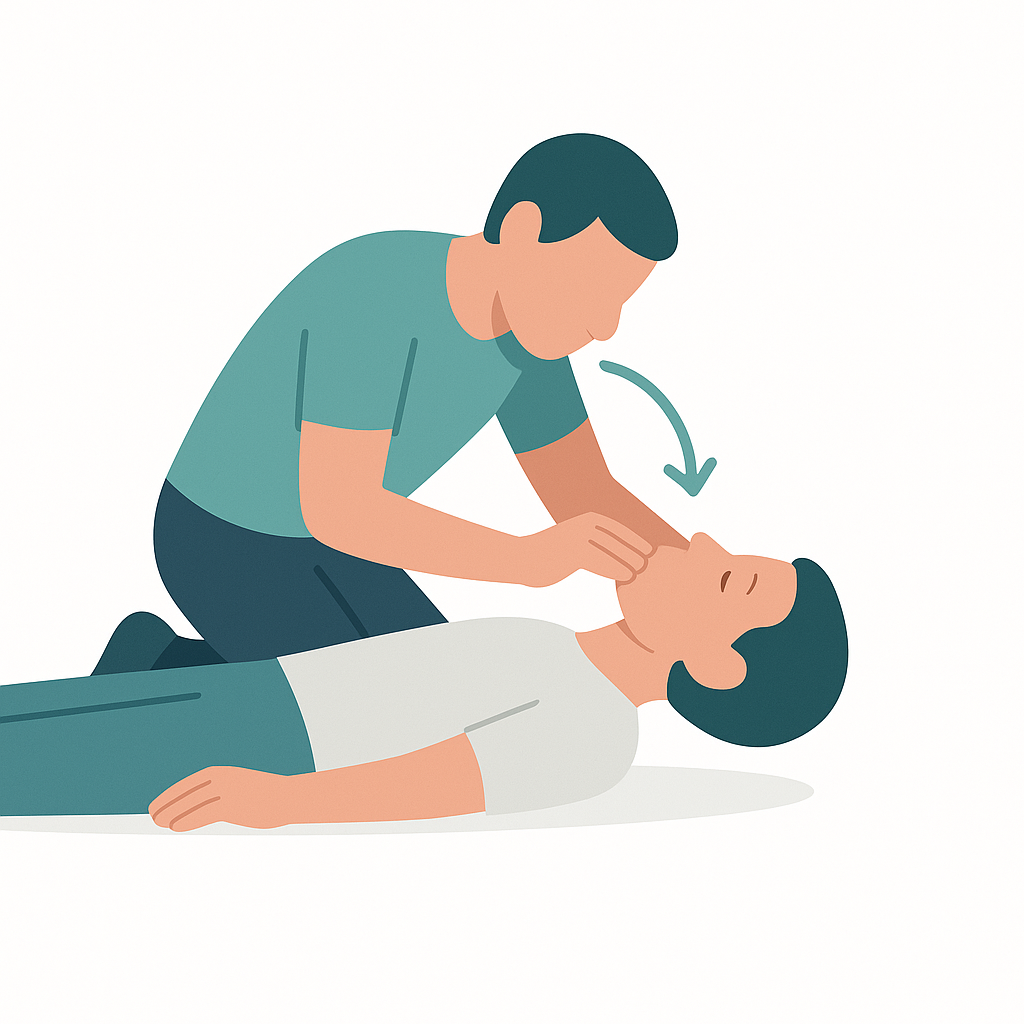
Rescue Breaths
Rescue breaths are a way to help someone who is not breathing properly or at all. They are part of first aid and can save a person’s life in an emergency. Rescue breaths involve giving air to the person’s lungs to keep oxygen flowing. Oxygen is what the body needs to stay alive and work well.
When a person stops breathing, their body does not get enough oxygen. Without oxygen, the brain and other important organs can be damaged quickly. Rescue breaths help by pushing air into the lungs, giving the person a chance to get oxygen until normal breathing starts again or until medical help arrives.
Rescue breaths are often used together with chest compressions during CPR, which means cardiopulmonary resuscitation. CPR helps keep the heart and lungs working. If a person is unconscious and not breathing, rescue breaths may be needed to provide oxygen. Sometimes rescue breaths are given on their own if the person is breathing very weakly or has a problem with their breathing.
How Rescue Breaths Work
The body takes in oxygen through the nose and mouth when we breathe. This oxygen travels down the windpipe to the lungs. In the lungs, oxygen moves into the blood. The blood carries oxygen to all parts of the body.
When rescue breaths are given, the first aider breathes air into the person’s mouth or nose. This pushes air into the lungs, helping the oxygen get back into the blood. It is important to do rescue breaths correctly so the air goes into the lungs and does not go into the stomach.
Situations Where Rescue Breaths Are Needed
Rescue breaths may be needed in many emergency situations. One common example is when someone suddenly stops breathing. This can happen because of drowning, choking, a serious injury, or a medical problem like a heart attack.
If a person does not wake up or does not move and is not breathing normally, rescue breaths can help. You might also see signs like the person gasping or making strange noises, which means they are not getting enough air.
How to Stay Safe When Giving Rescue Breaths
Before giving rescue breaths, it is important to keep calm and check that it is safe to help. Make sure the area is safe for both you and the person who needs help. Avoid giving rescue breaths if you are sick or have a cough if possible, but do not stop if the person is seriously hurt.
When giving rescue breaths, use a clean cloth or face shield if you have one. This helps protect you and the person from germs. Always try your best but do not stay in a situation where you feel unsafe.
What to Do If Someone Needs Rescue Breaths
If you find someone who is not breathing, first call for emergency help by dialing 000 in Australia. Getting help quickly is very important.
Check if the person responds by gently shaking their shoulder and asking if they are okay. If there is no response and no breathing or strange breathing, start rescue breaths as part of CPR. The goal is to keep air moving into their lungs until help arrives.
Rescue breaths are not the only step in helping. Generally, this is combined with chest compressions to keep blood moving. You do not need to know all the details to try helping. The important thing is to call for help and begin what you can while waiting for an ambulance.
When to Call Emergency Services
Always call 000 if someone is not breathing or is unconscious. Emergency services can send trained paramedics who can give advanced care quickly.
You should also call 000 if the person is choking and cannot breathe, if they have a serious injury, or if you are unsure what to do.
Remember, if you do need to give rescue breaths, emergency help is on the way and will take over when they get there.
Why Rescue Breaths Matter in First Aid
Rescue breaths can make a big difference when someone is in danger. They can provide the oxygen the person’s body needs to survive until professional help arrives.
Even if you are not trained in giving rescue breaths perfectly, trying to help is better than doing nothing. Rescue breaths, combined with quick action and calling emergency services, can save lives.
Summary
Rescue breaths are breaths given by a helper to someone who cannot breathe on their own. They push air into the lungs to provide oxygen. Rescue breaths are important in emergencies where a person stops breathing, such as drowning, choking, or a heart problem.
Always check that the area is safe before helping. Call emergency services by dialing 000 if someone is not breathing or unconscious. Rescue breaths are usually done along with chest compressions as part of CPR. They help keep the person alive until help arrives.
Trying to give rescue breaths can help save a life. Remember to stay calm, ask for help, and keep the person’s body getting air and blood moving. Rescue breaths are one important way that everyday people can help in emergencies.