
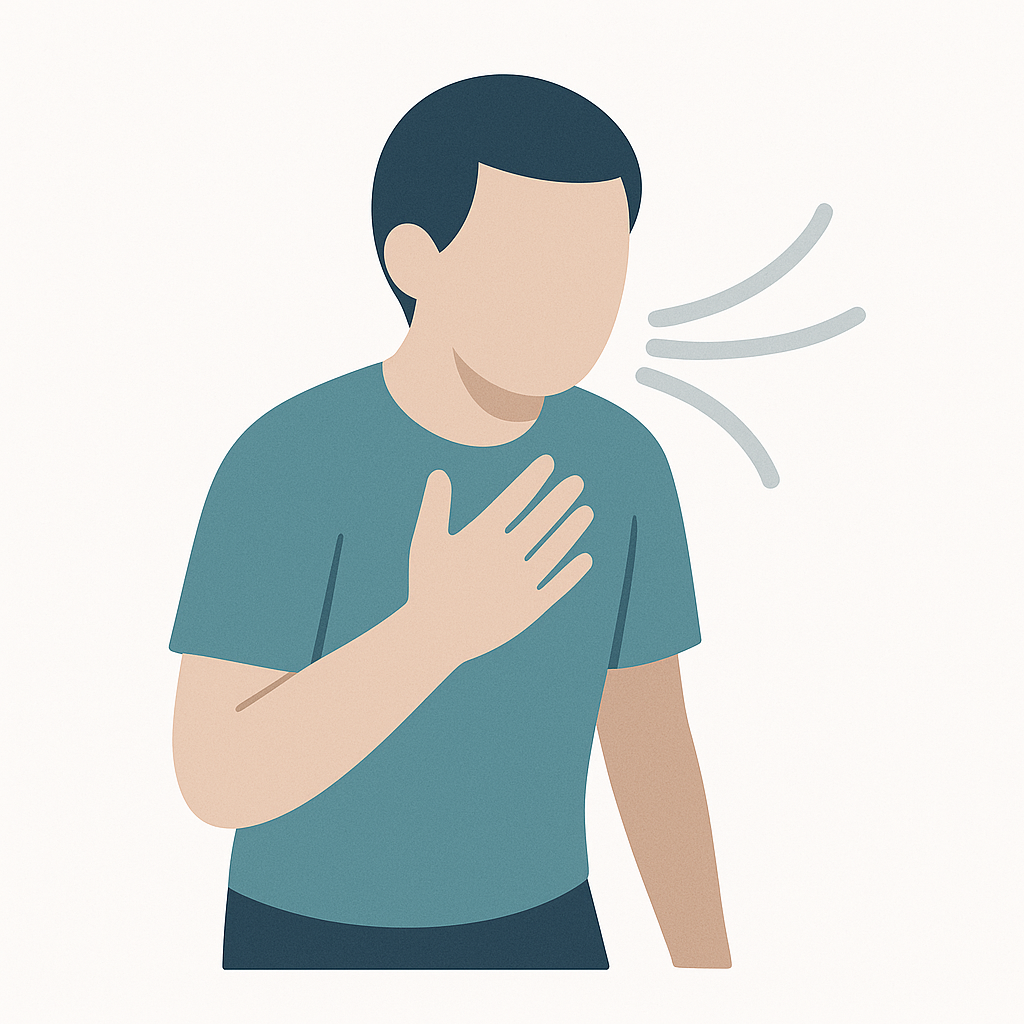
Respiratory distress means having a hard time breathing or not getting enough air into the lungs. When someone is in respiratory distress, their body is trying very hard to get the oxygen it needs. Oxygen is important because it helps all parts of the body work properly. Without enough oxygen, a person can quickly become very unwell.
In first aid, respiratory distress is a serious situation. It can happen because of many reasons. It might be caused by an illness, an injury, or something blocking the person’s airways. It is important to recognise the signs of respiratory distress early. This helps you give the right support and get medical help quickly.
Respiratory distress happens when the lungs cannot work well enough to take in air and get oxygen into the blood. Our lungs are like big sponges full of tiny air sacs. These sacs help oxygen pass into the bloodstream. When something goes wrong, the body struggles to get enough oxygen, and the person feels like they cannot breathe.
If someone is in respiratory distress, you might notice certain signs. Their breathing might be very fast or very slow. They may be breathing hard or making noisy sounds. They might be coughing or wheezing. Sometimes their skin looks pale, blue, or grey, especially around the lips or fingertips. They might also feel very tired, weak, or confused because the brain is not getting enough oxygen.
It is very important to act quickly if you see these signs. Helping someone who is in respiratory distress can save their life. You do not need special skills, just a calm approach and simple steps to keep them safe.
If you see someone in respiratory distress, the first thing is to stay calm. Talk to them quietly and kindly. Ask how they are feeling. Help them to sit up if they can. Sitting up helps make breathing easier. Try to keep the person comfortable. Do not make them lie flat if they are struggling to breathe.
Always check the area around the person for danger. Make sure there is nothing that could cause harm to you or the person needing help. Keeping everyone safe is the first rule of first aid.
If they have an inhaler or any breathing device nearby, help them use it if you are sure how to do that and if they ask for help. Do not give anyone medicine or laxatives unless a health worker tells you to.
Sometimes respiratory distress can happen suddenly and be life-threatening. For example, if someone is choking and they cannot breathe at all, this is an emergency. Or if the person’s lips or face turn blue and they stop responding, call emergency services immediately.
In Australia, the emergency number is 000. You should call 000 if someone is having severe trouble breathing, if they stop breathing, or if they are very sick and following your help does not improve their condition.
While waiting for emergency help, keep watching the person. Try to keep them calm and breathing as best as they can. Do not leave them alone.
Remember, respiratory distress is a sign that the body needs urgent help. With quick action and care, you can make a big difference. Knowing the signs and what to do gives you the power to help someone breathe better and get the medical support they need.
If you or someone around you often has trouble breathing because of a long-term illness like asthma or emphysema, it is good to understand how to support them in emergencies too. Always encourage following advice from doctors and health professionals.
To sum up, respiratory distress means having serious trouble breathing. It can cause fast, noisy, or labouring breaths and can make skin turn pale or blue. It needs quick and careful attention. Move the person to a comfortable position, keep calm, and call 000 if the situation is severe. Stay with the person and monitor them while help is on its way.
Knowing about respiratory distress helps everyone be ready to help in an emergency. It is an important part of first aid, which is about looking after people quickly and kindly in times of trouble.