
Table of Contents
Resuscitation is a word used to describe the emergency care given to someone whose breathing or heartbeat has stopped. This means the person is not getting enough oxygen to their body and brain, which can be very serious. Resuscitation helps keep oxygen moving through the body until the person can get professional medical help. It is a very important part of first aid because it can save a person’s life.
When someone stops breathing or their heart stops beating, their body cannot get oxygen. The brain and other organs need oxygen to work properly. Without oxygen, brain damage can start within minutes, and the person can die if nothing is done. Resuscitation tries to bring back breathing and heartbeat or keep oxygen flowing by other methods until help arrives.
What Happens in Resuscitation?
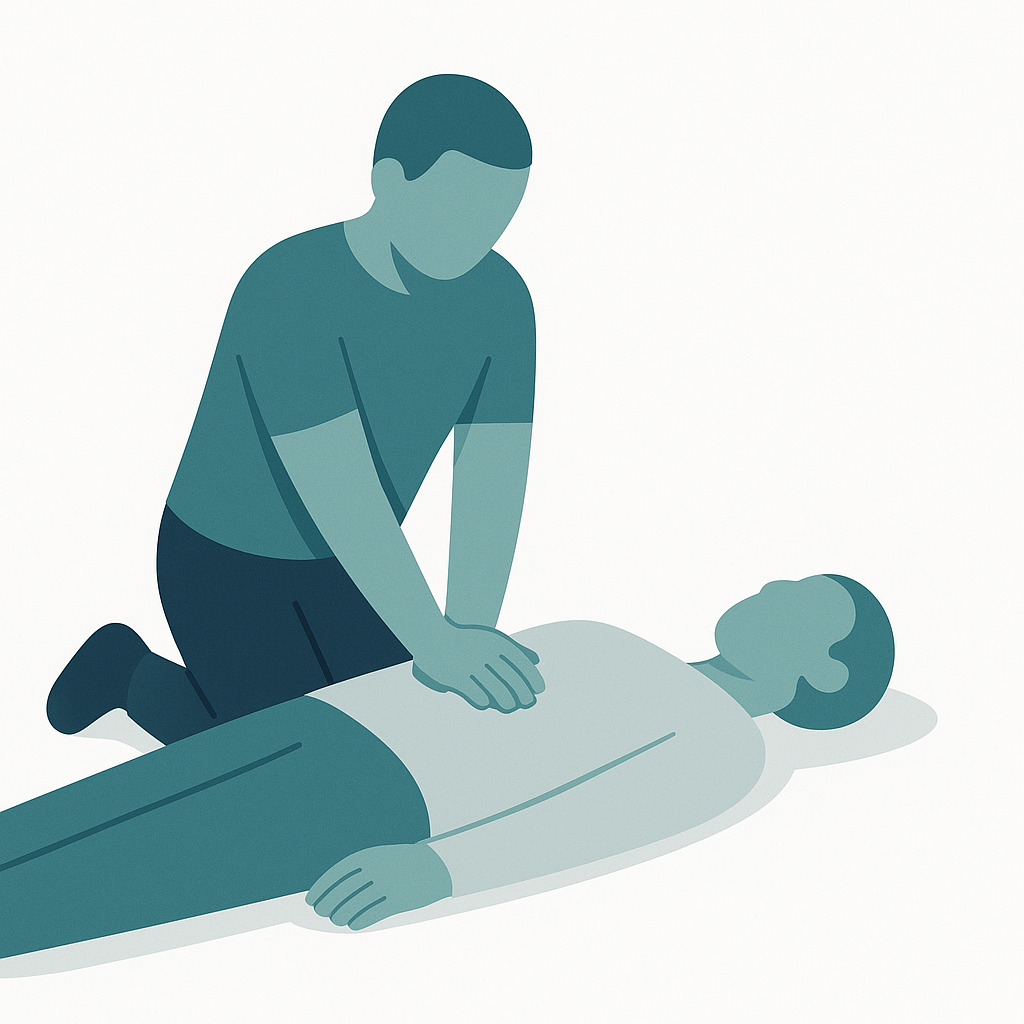
Resuscitation usually involves two main things: helping the person breathe and helping their heart pump blood. Helping a person breathe is called rescue breathing. It means giving air to someone who isn’t breathing well or at all. Helping their heart means doing chest compressions. Chest compressions are pushing on the chest in a rhythm to help keep blood moving through the body.
Sometimes both rescue breathing and chest compressions are done together in a process called cardiopulmonary resuscitation, or CPR. CPR helps keep oxygen moving around the body and can help restart the heart until emergency services arrive.
Why Resuscitation is Important in First Aid
Resuscitation is important because it can save lives in an emergency. If a person’s breathing or heartbeat stops, it is very urgent to act quickly. The sooner resuscitation starts, the better the chance the person has to survive and recover.
People who give first aid might need to do resuscitation when they find someone who has stopped breathing from drowning, choking, heart attacks, injuries, or sudden illness. First aid aims to keep a person alive and stable before professional paramedics or doctors take over.
Signs Someone Needs Resuscitation
Some signs may show that a person needs resuscitation. They might suddenly collapse and not respond when you try to wake or speak to them. They might not be breathing or have very irregular breathing, such as gasping. Sometimes you cannot feel their pulse, which means their heart may not be pumping blood properly.
If you see these signs, it is very important to call emergency services immediately. In Australia, you dial triple zero (000) for urgent help. While waiting for help, you can start resuscitation to give the person the best chance of survival.
Safety Before Resuscitation
Your safety is important too. Before you help, check the area to make sure it is safe to approach the person. If there is danger, such as traffic, fire, or electricity, do not put yourself at risk. Call emergency services right away and wait for trained rescuers.
If safe, gently try to wake the person. If they do not respond and are not breathing normally, you should call emergency services immediately. Doing this fast can save time and improve the chances of survival.
General Steps in Resuscitation
You do not need to be an expert to help, but knowing the aim can calm your mind. The goal is to keep oxygen moving to the brain and heart. This is done by giving breaths and chest compressions. Giving air helps the lungs get oxygen, and chest compressions help the heart pump blood.
Often rescuers do cycles of chest compressions and rescue breaths. If you are unsure or worried about rescue breaths, performing hands-only CPR with chest compressions can still help keep blood pumping until help arrives.
When to Call Emergency Services
If a person suddenly collapses, is not responding, and not breathing properly, call for emergency help straight away. In Australia, dial 000 to get the ambulance. It is important to explain clearly what has happened and follow the operator’s instructions.
Stay calm and do not leave the person alone if it is safe to stay with them. Keep giving resuscitation until emergency workers arrive or until the person starts to breathe and move normally.
Other Types of Resuscitation
Sometimes people need special help with resuscitation. For example, if someone is choking and cannot breathe, first aid steps to clear their airway are necessary before doing rescue breathing. If a person has a severe allergic reaction and stops breathing, different actions are needed to help.
Defibrillators are machines that can send an electric shock to the heart to restart it. These are used by paramedics or trained helpers. But basic resuscitation with chest compressions and rescue breaths is often the first and most important help you can give.
How Resuscitation Helps the Body
The heart pumps blood that carries oxygen to the brain and other organs. The lungs take in oxygen from the air and send it to the blood. When either the breathing or heartbeat stops, the body does not get oxygen.
Resuscitation works like a machine for the body. Chest compressions act like the heart, pushing blood around. Rescue breaths provide oxygen to the lungs and blood. Together, they help keep the body’s organs alive.
Staying Calm During Resuscitation
It can be scary to see someone not breathing or collapsed. Try to stay calm. Your efforts to help are very valuable. Focus on simple actions like calling 000 and doing steady chest compressions.
Many people worry about doing resuscitation incorrectly. Any help is better than no help. Even simple chest compressions can make a big difference.
What if Resuscitation Does Not Work?
Sometimes resuscitation does not help the person restart breathing or heartbeat. This can be very upsetting. It is not your fault if this happens. Resuscitation tries to buy time until medical help arrives. Emergency workers may use other tools and medicines that can save the person.
Remember, calling 000 and starting help quickly gives the best chance for someone to survive.
Summary
Resuscitation means helping someone who has stopped breathing or whose heart has stopped. It involves rescue breathing and chest compressions to keep oxygen moving through the body. This is very important in emergencies where the person collapses or loses consciousness.
If you see these signs, call 000 immediately and begin resuscitation if you can. Your quick response and care can save a life. Stay safe, stay calm, and know that helping in any way you can is important.
Remember, resuscitation is a way to support life until experts can take over. It is an essential skill in first aid that can make all the difference in an emergency.