
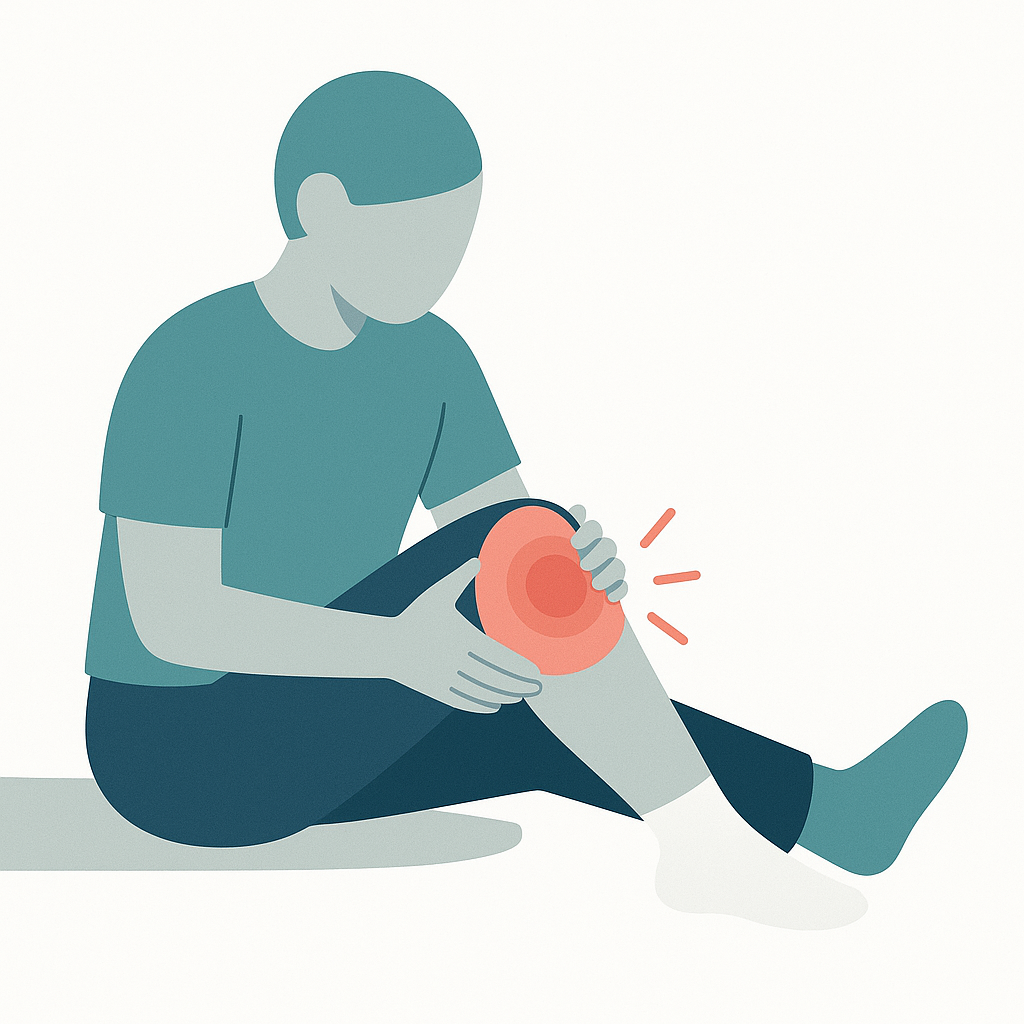
Soft tissue injury is a term used to describe damage to the body’s muscles, skin, ligaments, tendons, and other soft parts. These parts are called soft tissues because they are not hard like bones. Soft tissues help the body move and protect bones and internal organs. When a soft tissue injury happens, these parts get hurt in some way.
Soft tissue injuries can happen because of a fall, a bump, a twist, or a sudden force. Sometimes they occur during sports, accidents, or simple everyday activities. This type of injury is very common. Knowing about soft tissue injuries helps people give the right first aid and keeps the injury from getting worse.
There are different types of soft tissue injuries. The most common ones are bruises, cuts, sprains, strains, and swelling. A bruise happens when blood leaks under the skin after a hard hit. A cut is when the skin is broken. A sprain means a ligament is stretched or torn. Ligaments connect bones to other bones at joints. A strain happens when a muscle or tendon is stretched or torn. Tendons connect muscles to bones. Swelling happens when fluid builds up in the injured area because the body is trying to protect itself.
In first aid, it is important to know what kind of soft tissue injury a person has. This helps to decide what to do next. First aid can help reduce pain and swelling. It can also prevent more damage. Caring for soft tissue injuries properly allows the body to heal faster.
When someone has a soft tissue injury, the injured area might be painful, red, or warm. There might be swelling or a bruise. The person might find it hard to move the injured part. Sometimes the skin breaks and bleeds. In serious soft tissue injuries, a lot of pain or swelling can make it hard to use the part properly. The injured area may also look misshapen or out of place.
If the injury is mild, the person might only need simple first aid. This usually includes resting the injured area, applying a cold pack to reduce swelling, and keeping the injured part raised above the heart if possible. This helps limit swelling and pain. Most soft tissue injuries get better with time and basic care.
It is important to be gentle with the injured part. Avoid moving or putting weight on a badly hurt muscle or joint. This helps stop further damage. If the injury is very painful, causes heavy bleeding, or the injured part looks deformed, call emergency services on 000 right away. These signs might mean the injury is serious and needs urgent medical help.
Sometimes soft tissue injuries get worse if they are not looked after properly. Swelling and pain may increase. The injured area might become stiff and harder to use. If signs get worse or do not improve after a couple of days, it is a good idea to see a doctor. A health professional can check if the injury is more serious and suggest the best treatment.
When giving first aid for soft tissue injuries, always think about safety first. Make sure the area around the injured person is safe. This helps prevent more accidents. If the person is faint, dizzy, or has trouble breathing, call 000 and get help fast.
It is also important to watch the person closely after a soft tissue injury. Look out for any change in colour, increased swelling, numbness, or inability to move the injured part. These could be signs that the injury needs urgent medical care.
To help with pain and swelling, use something cold like an ice pack wrapped in a towel. Do not put ice directly on the skin as it can cause damage. Apply cold for about 20 minutes every hour as needed. Rest and avoid using the injured part too much. Keeping the injured part raised above the heart helps reduce swelling.
Sometimes a soft tissue injury may cause bleeding under the skin or a cut on the skin. If the skin is broken, clean the wound gently with clean water to remove dirt. Then cover with a clean dressing to protect it. If the bleeding is heavy or does not stop, call 000 straight away.
Remember that soft tissue injuries can happen at any time and may look different depending on the injury. Learning to recognise the signs helps you know what kind of first aid to give. Most soft tissue injuries can be treated at home with simple care, but some need medical attention.
In summary, soft tissue injury means damage to the muscles, skin, ligaments, or tendons. It often happens because of a fall, twist, or hit. Watch for pain, swelling, bruising, or cuts. Use rest, ice, compression, and elevation to help mild injuries. Always keep safety in mind. Call 000 if the injury causes severe pain, heavy bleeding, loss of feeling, or if the person cannot move the injured area. Taking quick and simple first aid actions can make a big difference in how well the injury heals.