
Sprain
A sprain is an injury to the ligaments. Ligaments are strong bands of tissue that connect bones to each other in your joints. They help keep your joints stable and stop them from moving too far. When a ligament is stretched too far or torn because of a sudden twist or impact, it is called a sprain.
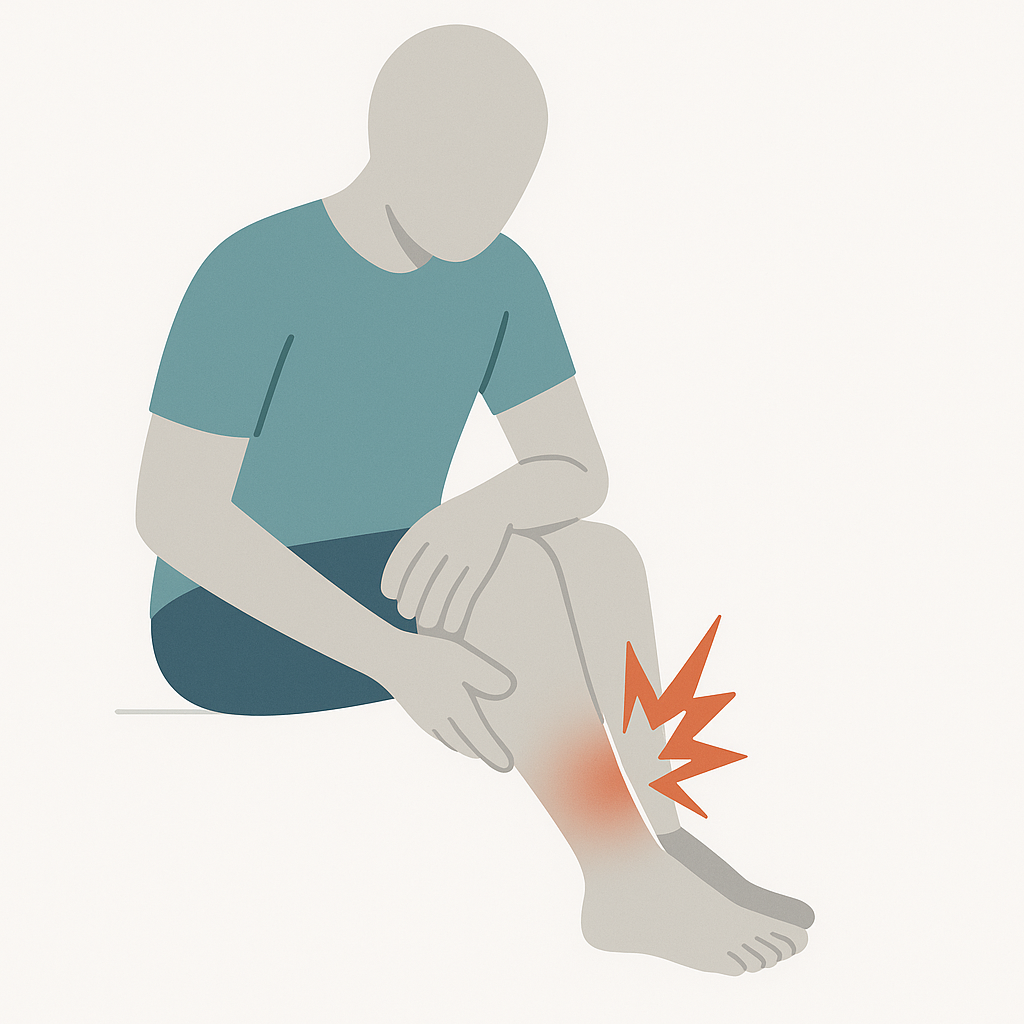
Sprains commonly happen in places like the ankle, wrist, or knee. For example, when you twist your ankle while walking or running, the ligaments can stretch or tear. This can cause pain, swelling, and difficulty moving the joint.
What happens in a sprain
When you sprain a ligament, the tissue is damaged. A mild sprain means the ligament is stretched but not torn. A more serious sprain means the ligament is partly or completely torn. This damage causes the area to hurt and swell because the body sends more blood and fluids to the injured spot. Sometimes, small blood vessels in the ligament can break, causing bruising.
The injured joint may feel stiff or weak. Moving it could be painful, and you might not be able to put weight on it or use it normally. Sprains can affect how well you can do everyday activities.
Why sprains are important in first aid
Sprains are common injuries, so it’s good to know how to respond if someone sprains a joint. First aid helps reduce pain, swelling, and further damage. It also supports healing by protecting the injured ligament.
Quick action can help a sprain heal better. Without proper first aid, a sprain might get worse, take longer to heal, or cause ongoing joint problems like weakness or repeated injuries. Knowing what to do helps keep you or others safer and more comfortable until professional help is available if needed.
Signs and symptoms of a sprain
If someone has a sprain, you might notice several signs:
– Pain around the joint, especially when moving it.
– Swelling as fluid builds up in the area.
– Bruising or redness from broken blood vessels.
– Difficulty using the joint or putting weight on it.
– A feeling of instability or weakness in the joint.
The severity of symptoms depends on how bad the sprain is. Mild sprains might cause just a little pain and swelling. Severe sprains can make the joint very painful and hard to move.
General first aid for sprains
If you think you or someone else has a sprain, the first goal is to protect the joint and reduce pain and swelling. Here are some simple steps that you can follow:
– Stop using the injured joint right away to avoid making the injury worse.
– Rest the joint. Avoid activities that cause pain or stress.
– Apply a cold pack or ice wrapped in a cloth to the injured area for up to 20 minutes every couple of hours. This helps reduce swelling and numbs pain.
– Use a bandage or elastic wrap to gently support the joint if it feels unstable. Don’t wrap it too tight because that can stop blood flow.
– Keep the injured limb raised above the heart level if possible. This helps reduce swelling by improving blood flow away from the injury.
It’s important not to try pushing through the pain or forcing the joint to move if it hurts. Rest is key in the first few days.
When to call emergency services (000)
Most sprains can be managed with home first aid, but you should call 000 or get emergency help if:
– The injury caused a loud pop or snap sound.
– The joint looks deformed or out of place.
– You can’t move the joint at all or put any weight on it.
– There is severe swelling, bruising, or bleeding.
– The pain is very bad and does not get better with first aid.
– You notice signs of another problem like numbness, weakness, or pale skin in the limb below the injury.
These signs might mean a more serious injury like a broken bone or a torn ligament that needs urgent medical care.
Safety tips when helping with a sprain
When caring for a sprain, always make sure the person is in a safe place to prevent further injury. Avoid moving them unnecessarily if the injury is severe or very painful. If you need to move them, do so gently and support the injured joint.
Wash your hands if you are going to touch any sore or broken skin near the injury. Keep the person calm and comfortable while you help.
If you use ice, never put it directly on the skin. Wrap it in a cloth or towel to stop frostbite.
Healing and recovery
A sprain can take days to weeks or even months to heal, depending on its severity. Mild sprains might get better in a few days with rest and care. More serious sprains may need a longer time and sometimes medical treatment or support from a health professional.
During healing, it is important to protect the joint from further damage and follow any advice from a doctor. Gradually, gentle movement and exercises can help the joint regain strength and flexibility.
Preventing sprains
Sprains can sometimes be prevented by being careful with activities. You can reduce the risk by:
– Wearing good footwear that supports your feet.
– Avoiding uneven or slippery surfaces.
– Warming up before exercise or sport.
– Strengthening muscles around joints with regular activity.
– Paying attention to your body and stopping if you feel pain or discomfort.
Always take care when walking, running, or playing sports to keep your joints safe.
Summary
A sprain is an injury to the ligaments that hold bones together in a joint. It happens when these tissues are stretched or torn. This causes pain, swelling, and difficulty moving the joint. First aid for sprains includes resting the joint, applying ice, supporting it with a bandage, and keeping it raised.
If the injury is serious or if there are signs of a more serious problem, it is important to call emergency services by dialing 000. Taking care of sprains early helps joints heal well and prevents more problems. Staying safe and using simple first aid steps can make a big difference.