
Ventilation is a word you might hear during a first aid situation. It means helping someone breathe when they cannot do it well on their own. Breathing brings air into the lungs, giving the body oxygen. Oxygen is very important because it helps us live and keeps our organs working properly.
When someone stops breathing or is having trouble breathing, they need help with ventilation. This is one of the main jobs in first aid to keep a person alive until more medical help arrives.
What Ventilation Means in the Body
Our body uses breathing to get oxygen from the air into the lungs. From the lungs, oxygen goes into the blood. The blood carries oxygen to the rest of the body, including the brain and heart.
When a person “ventilates” well, it means they are moving air in and out of their lungs properly. If they are not ventilating, less oxygen gets into the blood, and their body may get hurt without enough oxygen. This can happen if someone stops breathing, is unconscious, or has a blocked airway.
Why Ventilation Is Important in First Aid
If a person is not breathing, they need quick help. Without air and oxygen, brain damage can happen in just a few minutes. The heart and other organs also need oxygen to keep working.
First aid for ventilation is about making sure air goes into the person’s lungs. Sometimes this means helping someone breathe by blowing air into their mouth or using special devices that push air in.
By helping with ventilation, you are giving the person a better chance to live and recover.
When You Might Need to Help With Ventilation
You might need to help with ventilation if the person:
– Has stopped breathing
– Is gasping or making strange noises instead of normal breathing
– Is unconscious and not moving air in and out normally
– Has a blocked throat or something stopping air from going in
You might notice the person’s chest is not moving up and down, or they may be very pale or blue, especially around the lips or fingers. This can be a sign they are not getting enough oxygen.
General First Aid Steps Related to Ventilation
If you see someone who needs help with ventilation, your first job is to check for danger around you. Make sure it is safe before you get close to help.
Next, check the person’s breathing. Look, listen, and feel for breath for about 10 seconds.
If the person is not breathing normally, call emergency services immediately by dialing 000 in Australia. Let the operator know the situation, and follow their instructions.
While waiting for help, you can start helping with ventilation. The goal is to get air into their lungs.
It is very important also to keep the person’s airway clear. This means making sure nothing is blocking the throat or windpipe, such as food, vomit, or the tongue falling back when they lose muscle control.
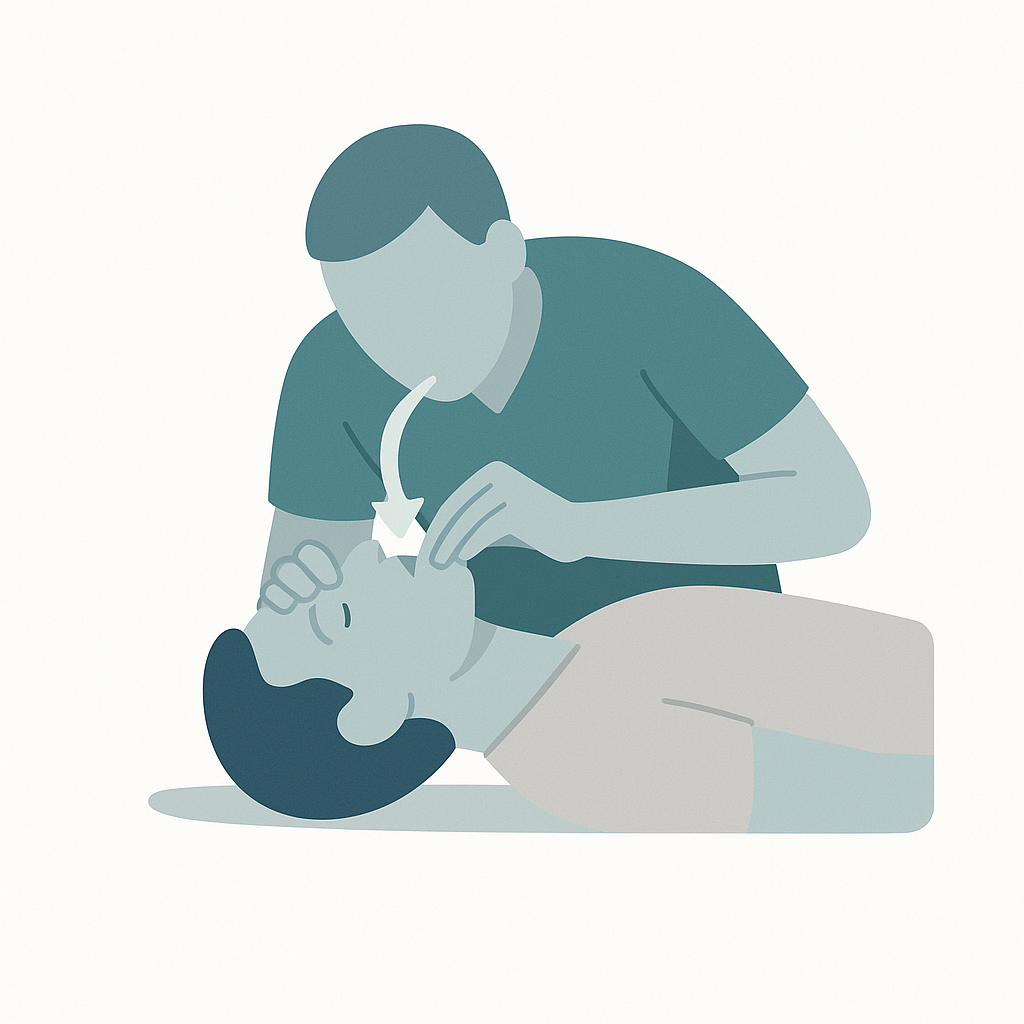
If the person is unconscious, you can gently tilt their head back and lift their chin to open the airway. This helps air flow in.
Different Ways to Help With Ventilation
There are simple ways to help someone breathe when trained or directed by emergency services:
– Mouth-to-mouth breathing, where you breathe air into the person’s mouth
– Using a barrier device, like a face shield or mask, to keep breathing safer
– Using tools like a bag-valve mask if available and known how to use
For most people giving first aid, the simple method of mouth-to-mouth can help when someone stops breathing.
Safety Tips for Helping With Ventilation
Always take care of your own safety first. If you or the person is near danger, move to a safer place if you can do so without making the situation worse.
If the person is unconscious but breathing, place them in the recovery position to keep the airway clear.
If you need to give mouth-to-mouth, make sure the person’s mouth is open and clear of anything blocking air. Pinch their nose, take a deep breath, and gently blow air into their mouth while watching for their chest to rise.
If you are unable to help or do not feel safe, wait for emergency services to arrive.
When to Call Emergency Services
Always call 000 if someone is not breathing or is having serious trouble breathing.
Also, call 000 if the person becomes unconscious, has chest pain, has severe bleeding, or shows signs of a stroke or heart attack.
Emergency operators will guide you through what to do until help arrives.
Remember that quick action in ventilation can save lives and prevent serious harm.
Summary
Ventilation means helping air get into a person’s lungs when they cannot breathe well on their own. It is very important in first aid because breathing brings oxygen to keep the body alive.
If someone stops breathing, you may need to help with ventilation by opening their airway and giving them air. Always check for danger, call 000 if it is serious, and follow simple steps to keep the person safe.
Helping with ventilation gives a person a better chance to recover until trained medical help arrives. Knowing about ventilation and how it fits into first aid can help you feel ready to act calmly in an emergency.