
Wound
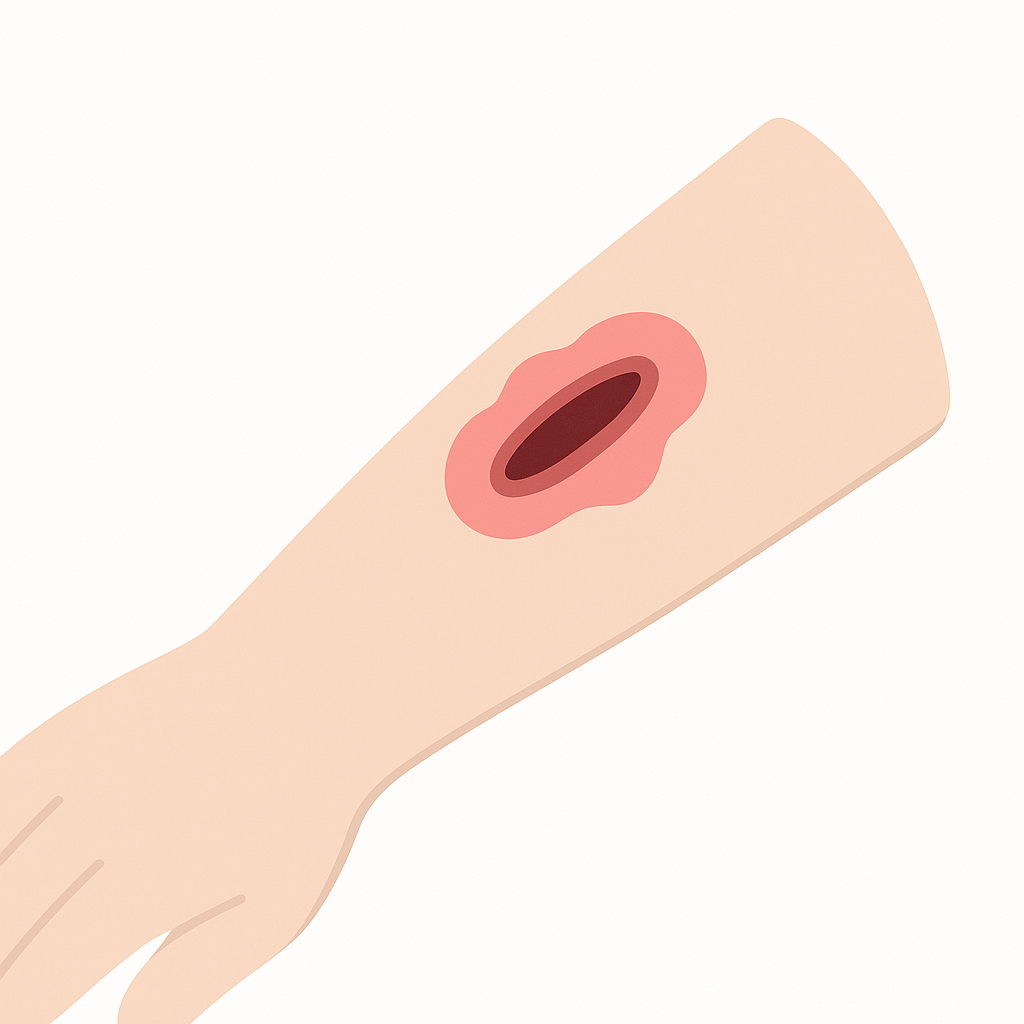
A wound is a cut, break, or injury to the skin or body tissue. It can happen from something sharp like a knife or glass, from a bump or fall, or sometimes from pressure that damages the skin. Wounds let germs like bacteria get inside the body, which can cause infections if not cared for properly. In first aid, understanding what a wound is and how to help it is very important to keep someone safe and to stop the injury from getting worse.
What Happens When You Have a Wound?
Your skin acts like a shield to protect the inside of your body. It keeps germs out and helps stop fluids from leaking out. When your skin is damaged and a wound happens, this shield breaks. Blood might come from the wound, and you might feel pain or see swelling. Your body works quickly to stop bleeding and starts healing the injury. First aid is about helping this process without causing more harm.
Types of Wounds
There are different kinds of wounds. Some are small and shallow, like a scratch or a scrape. Others can be deep or large, like a cut from a knife or a bite. Some wounds are clean, while others might have dirt, grit, or even something stuck inside. Each type needs care that helps the wound heal well and prevents infection.
Why Wounds Matter in First Aid
Wounds matter because if they are not looked after, they can get infected, which means germs multiply and make the area red, sore, hot, or swollen. Sometimes infections can spread to other parts of the body and make a person very sick. Helping someone with a wound quickly and in the right way helps stop infection and starts healing. First aid can also prevent serious problems like heavy bleeding or damage to deeper body parts.
What You Might See in Someone With a Wound
You might see blood coming from the injury. The skin around the wound could be red or swollen. The person might feel pain, or the wound might look wet and oozing. If the wound is serious, there might be deep cuts or tissue showing underneath. Sometimes there is a smell if the wound is infected.
How to Help Someone With a Wound
The first thing is to stay calm and check for danger. Make sure it is safe for you to help. If the situation is unsafe, get help from emergency services by calling 000. If the bleeding is very heavy or the wound is large and deep, call 000 right away.
If the wound is small and not serious, you can help by gently cleaning it with clean water to remove dirt. Use clean cloth or gauze to press lightly on the wound and stop bleeding. Avoid touching the wound with your hands directly.
Cover the wound with a clean dressing or bandage to protect it. This helps keep germs out and keeps the wound moist, which helps healing. Tell the person to keep the bandage clean and dry. If the bandage gets wet or dirty, it should be changed.
Signs You Should Call Emergency Services
Always call 000 if the bleeding is heavy and does not stop after applying pressure for several minutes. Call for help if the wound is very deep, if it was caused by something dirty or rusty, or if there is something stuck inside the wound.
Also call 000 if the person has trouble moving the part of the body near the wound, or if the wound is on the head, neck, or chest. If the person feels faint, very weak, or confused, or if they have a high fever or chills, emergency help is needed.
How to Keep Yourself and the Injured Person Safe
Wear gloves or cover your hands if you can when helping with a wound. This helps stop germs spreading between you and the injured person. Avoid touching blood or wound fluids directly. If gloves are not available, use a plastic bag or clean cloth over your hands.
Try to keep the injured person calm and still. Moving too much can make bleeding worse. If they feel cold, cover them with a blanket or coat.
What Not to Do With Wounds
Do not try to clean deep wounds by yourself. Do not use antiseptic sprays or creams right away because they might hurt the healing skin. Do not remove objects stuck in a wound – this needs special care. Do not ignore bleeding that does not stop. Never put dirt or debris deeper into a wound when cleaning.
How Wounds Heal
The skin will start to close the wound by forming a scab. New skin grows underneath that scab to fix the injury. This can take days or weeks depending on how bad the wound is. Keeping the wound clean and covered helps healing. Avoid picking at scabs or reopening the wound, as this can cause scars or infections.
Infections and Wounds
Sometimes wounds get infected. This means harmful germs have entered and are growing inside. Signs of infection include increased pain, swelling, redness, warmth, pus (thick white or yellow fluid), and a bad smell. The person might also feel unwell with fever or chills. If you see these signs, the person should visit a doctor as soon as possible.
Remember that some wounds need a tetanus injection. Tetanus is a serious infection caused by bacteria found in soil or rust. If the wound is dirty or caused by something rusty, check with a health professional about this.
When to Seek Medical Attention
Most small wounds heal well with basic first aid and cleaning. But seek medical care if the wound is deep, won’t stop bleeding, is caused by a bite or animal scratch, or if the person has other medical conditions like diabetes that slow healing.
Wounds on the face or near the eyes should also be checked by a doctor. A doctor may need to close the wound with stitches or use special treatments to help healing.
Summary
A wound is a break in the skin or body that can cause bleeding and pain. It needs care to stop germs from entering and to help healing. First aid for wounds includes keeping safe, stopping bleeding, cleaning the wound gently, and covering it with a clean dressing. Call 000 if the wound is serious, bleeding heavily, or causing other worrying signs.
Taking good care of wounds means less risk of infection and faster recovery. Always stay calm, work carefully, and get help when needed. Knowing what a wound is and how to handle it keeps you and others safe.