

Bleeding control means stopping or reducing bleeding when someone is hurt and blood is coming from a wound. Bleeding happens when blood vessels inside the body are cut or broken. These vessels carry blood. When they are hurt, blood leaks out. This can happen in many ways, like cuts, scrapes, or deep wounds. Sometimes the bleeding is small and stops quickly, but other times it can be serious and needs quick help.
Bleeding control is very important in first aid because if a person loses too much blood, their body cannot work properly. Blood carries oxygen and nutrients to all parts of the body, so when blood is lost, the body struggles to stay healthy. If bleeding is not controlled, the person can become weak, dizzy, or even go into shock. Shock is a dangerous state where the heart cannot pump enough blood to the body. It can lead to unconsciousness or death if not treated fast.
Bleeding control means we do simple things to help stop the blood flow until the person can get full medical care. This helps keep the person safe and alive. It also keeps the wound clean and lowers the chance of infection. Infection happens when germs get into the cut and cause more problems.
What happens when someone is bleeding?
When a person bleeds, you often see blood coming from their skin. The blood might be dripping, flowing slowly, or pumping out fast with each heartbeat. The colour of blood is usually bright red. If the blood is dark red or looks like it is coming from deep inside the body, it might be a sign of a serious injury.
You might also notice the person looks pale or feels cold. They could be breathing quickly or feeling weak. Sometimes they may feel dizzy or sick in the stomach. This happens because the body is losing blood and tries to save the heart and brain by moving blood away from other parts.
What to do to control bleeding
The first thing to do is stay calm. You want to help the person but also keep yourself safe.
Check the safety of the place. Make sure there are no dangers like traffic, fire, or sharp objects before you go near the person.
Wear something to cover your hands if you can, like disposable gloves. This stops germs from the blood from touching your skin.
Help the person sit or lie down in a comfortable position. This helps them stay calm and lowers the chance of shock.
Next, find the source of bleeding. Look carefully for where the blood is coming out.
The most important way to control bleeding is to press firmly on the wound. Use a clean cloth, bandage, or even a piece of clothing to press down on the cut. This pressure helps the blood vessels close up and slows the bleeding.
Keep pressing hard and do not lift the cloth to check too often. If the cloth gets soaked with blood, do not remove it. Instead, put another layer on top and keep pushing.
Sometimes raising the injured part higher than the heart helps reduce bleeding. This uses gravity to slow blood flow. For example, if the person has bleeding on their arm, gently lift the arm and hold it above the level of their heart.
When bleeding comes from a larger blood vessel, the blood can come out in spurts or pulses. This can be very serious and needs quick help.
General safety tips when controlling bleeding
Always stay calm and reassure the injured person. Tell them help is coming.
Never try to remove large objects that are stuck in the wound. This can make bleeding worse.
Do not apply pressure or cut off blood flow to more than one arm or leg at a time.
Do not use a tourniquet unless you are trained to do so or it is an emergency and professional help is far away.
Keep watching the injured person for changes in their condition like fainting, difficulty breathing, or confusion.
When to call for emergency help
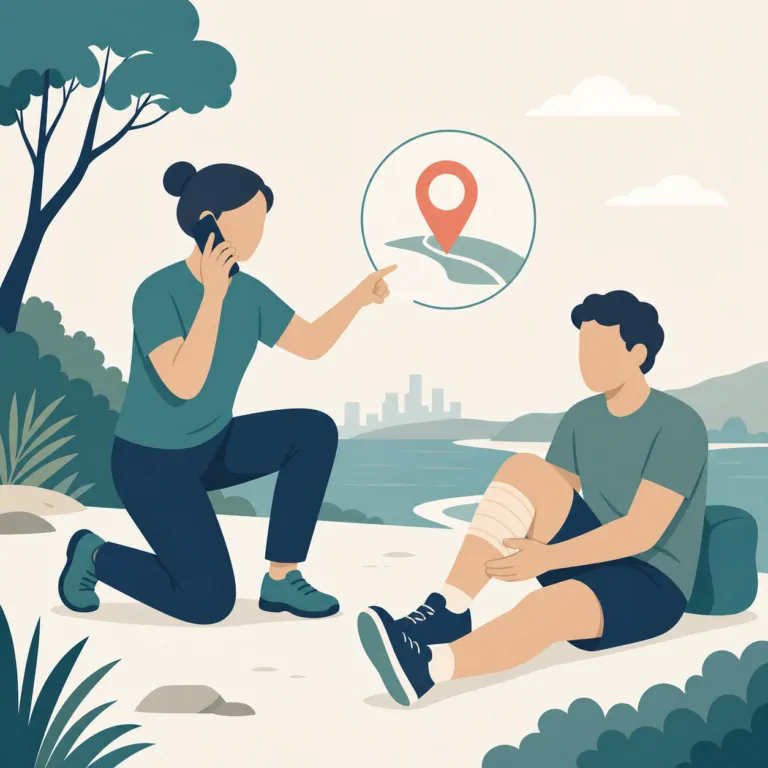
Call 000 if the bleeding is heavy and does not stop with pressure.
Call also if the person shows signs of shock like weakness, pale or cold skin, confusion, or unconsciousness.
Call if the wound is very deep, or the injury looks serious with lots of blood or if it is caused by a bad accident.
Call if there is a large object stuck in the wound.
If you are not sure, it is best to call 000 and ask for advice.
What happens next after bleeding control?
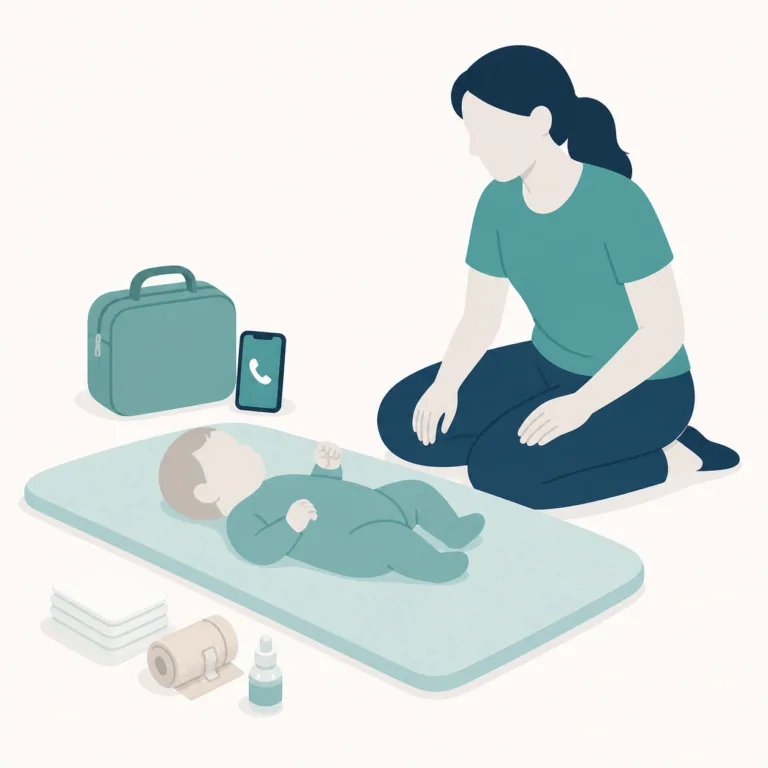
After controlling the bleeding, it is important to keep the person resting and comfortable until medical help arrives.
If the bleeding slows or stops, you can help by applying a clean dressing to the wound to protect it.
Keep checking on the person’s breathing and level of alertness.
Try to keep the person warm and calm.
If the person feels faint, help them to lie down with their legs raised slightly if possible.
Summary
Bleeding control is the simple but important steps we take to stop or slow blood loss when someone is hurt. It helps save lives and prevents worse problems.
By pressing firmly on the wound and keeping the person calm and safe, you can make a big difference.
Remember when the bleeding is serious to call 000 for emergency help right away.
Always be careful for your own safety when helping someone who is bleeding.
Knowing about bleeding control helps you be prepared to help if someone needs it.
Sources reviewed
- ANZCOR Guideline 9.1.1: first aid for management of bleeding
- Triple Zero: official emergency calling guidance
Reviewed against Australian first aid and emergency guidance by the First Aid Glossary Editorial Team. This article is general information and does not replace emergency-operator directions, professional medical advice or hands-on first aid training.