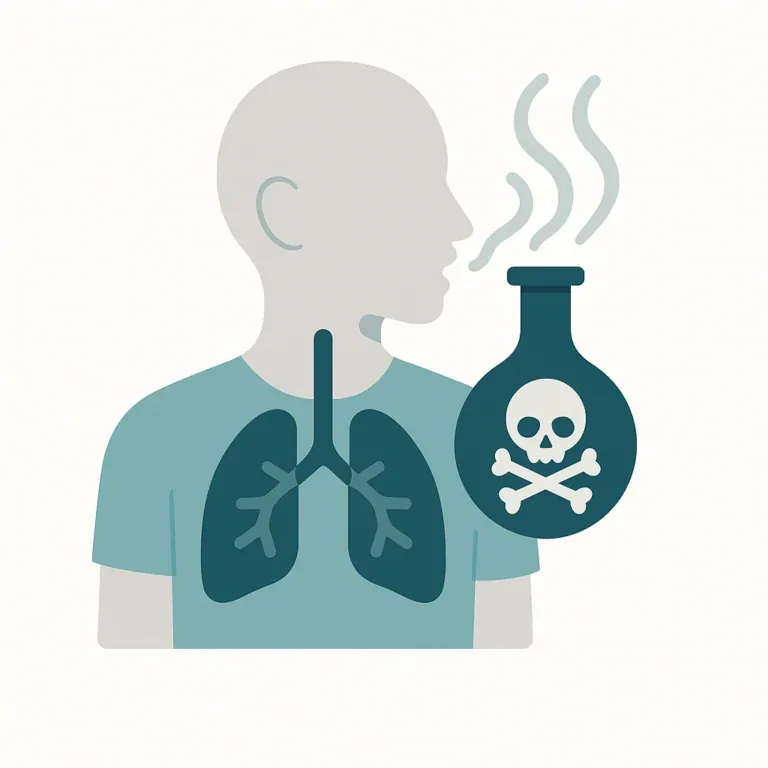
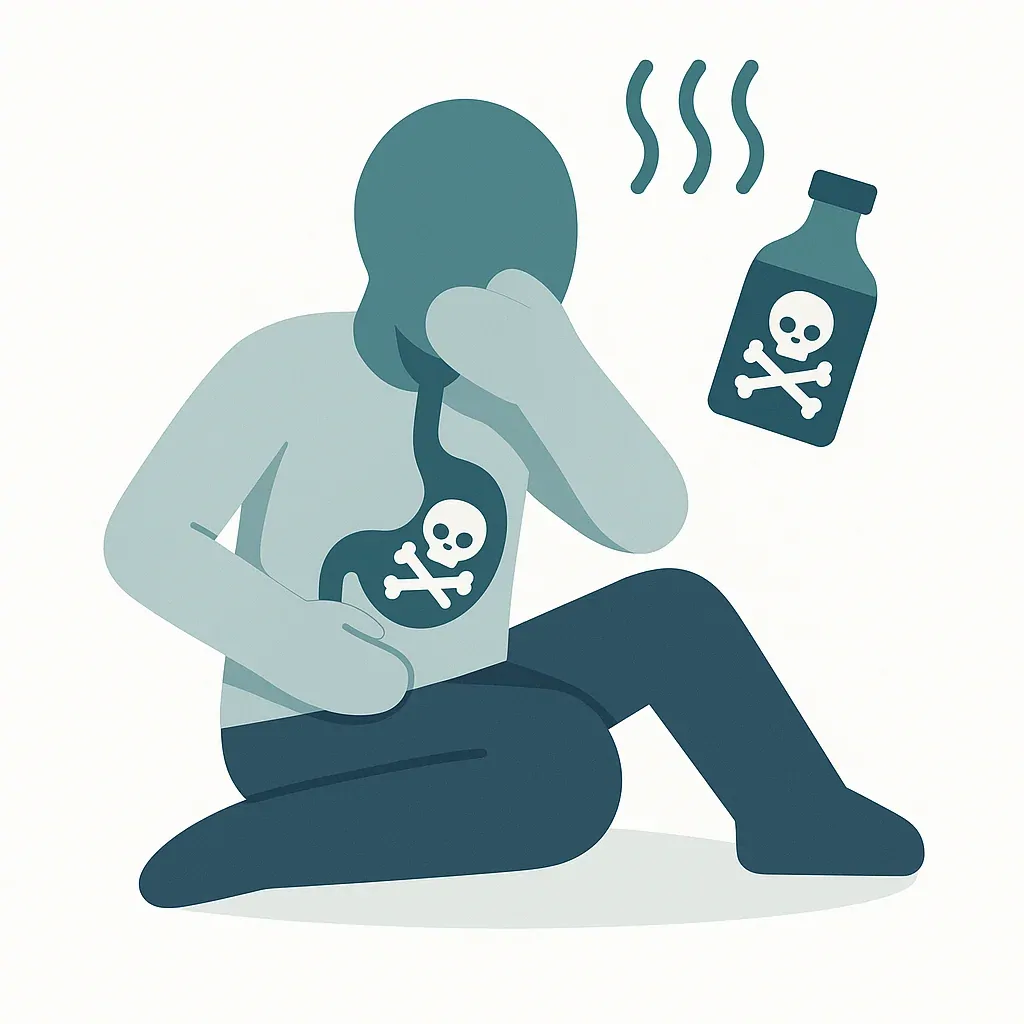

Poisoning happens when a person swallows, breathes in, gets on their skin, or has in their eyes a harmful substance called poison. Poisons can be anything that causes harm to the body, even in small amounts. This can include household chemicals, medicines taken by mistake, plants, insect bites, or even certain foods.
In first aid, poisoning is very important to understand because it can be dangerous and sometimes life-threatening. Knowing what to do quickly can help keep the person safe and get them the right medical help.
Poisoning can affect many parts of the body. When poison gets inside, it can hurt the stomach, lungs, brain, or other parts. A person might feel sick, dizzy, or might have trouble breathing. Their skin might change colour, or they might be confused or lose consciousness. Sometimes the signs can be quick and sudden, and other times they might come on slowly.
Some common ways people get poisoned include eating or drinking something dangerous by mistake. For example, a child might swallow cleaning products or medicine not meant for them. Some poisons come from bugs or animals, like spider bites or snake venom. Breathing in fumes from chemicals or smoke is another way poisoning can happen.
If you think someone has been poisoned, it is very important to stay calm. Look for any signs of poisoning and ask questions if you can. Find out what the person took, how much, and when it happened if possible. This information will help emergency helpers give the right treatment.
If the situation is serious, call 000 immediately for help. Serious signs include if the person stops breathing, is unconscious, having seizures, or if breathing becomes very hard. Don’t wait to see if they get worse — in emergencies, quick action can save lives.
While waiting for help to arrive, it is important to keep the person safe. If they are awake and alert, try to keep them calm and comfortable. If they are vomiting, turn them on their side to stop them from choking. Avoid giving them anything to eat or drink unless a poison expert or a doctor says it is okay.
Do not try to make the person vomit unless told to by an expert. Making someone vomit can sometimes make the poisoning worse, especially if the poison is a strong chemical or if the person is not fully aware.
For poisons that touch the skin or eyes, rinse the area with lots of clean water right away. This helps wash away the poison and stops it from causing more damage. Keep rinsing for at least 20 minutes or as long as you can until help arrives or you get instructions.
Sometimes, poison may come from bites or stings by insects or animals. In these cases, try to keep the person still and calm to stop the poison from spreading. Removing the stinger gently and cleaning the bite can help prevent infection. Always seek medical help when a bite or sting causes serious symptoms.
If you are not sure whether someone has been poisoned, but you see sudden illness, trouble breathing, or unusual behaviour, it is safer to get medical help. You can call the poisons information centre for advice. In Australia, there are special numbers you can call to speak with experts who know how to deal with poisoning.
Poisoning can happen to anyone, but young children and older people are more at risk. This is because their bodies are smaller or weaker, so poisons can cause more harm. Always keep dangerous substances out of reach of children and use childproof containers when possible.
Safety in the home is one of the best ways to prevent poisoning. Store medicines, cleaning products, and chemicals in a safe, locked place. Never leave these items where children can grab them. Read labels carefully before using products, and never use a medicine for someone other than who it was prescribed for.
If you use pesticides, garden sprays, or fuel, follow the instructions carefully. Use protective gloves and masks if needed. Avoid mixing chemicals unless you are sure it is safe, because some mixtures can create poisonous gases.
If you find a person who looks poisoned, focus on keeping them safe until help arrives. Watch their breathing and level of consciousness. Give clear information to emergency services, such as what happened and how the person is now.
Remember, poisoning can be very serious, but many people get better with help from doctors. Quick and calm action is the best first aid you can give. Always call 000 if the person is very sick or not waking up.
In every poisoning case, if you are unsure, do not try to guess what to do. Get advice from a health professional or a poisons expert as soon as possible. They can tell you the safest way to help and whether the person needs to go to hospital.
Poisoning can happen anytime, but being prepared and knowing what to do makes a big difference. Keep the emergency number 000 handy, and teach your family and friends about poisoning safety. This way, everyone can help keep each other safe.
How this page is checked
Publisher: First Aid Glossary Editorial Team
Last reviewed: 28 April 2026
Reviewed against: ANZCOR Guideline 9.5.1 – First Aid Management of Poisoning, Healthdirect Australia poisoning guidance, and NSW Poisons Information Centre.
This page is educational and explains first aid language in plain English. It is not personal medical advice, diagnosis, or a replacement for accredited first aid training. In an emergency in Australia, call Triple Zero (000).