
Strain
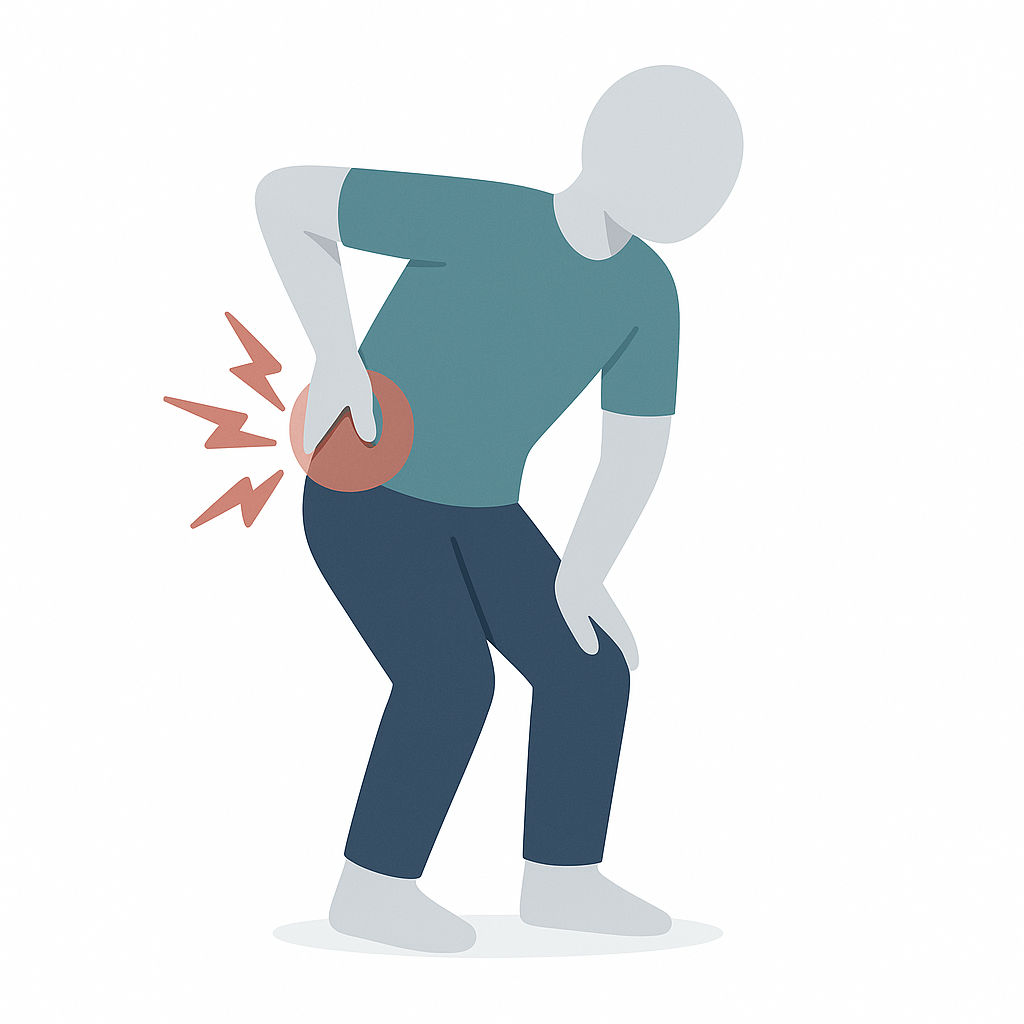
A strain is a type of injury that happens when a muscle or the tough band of tissue that connects muscles to bones, called tendons, is stretched or torn. This can happen when someone uses their muscles too much, moves in a wrong way, or lifts something too heavy. Strains are common and can cause pain and discomfort in the body.
In first aid, understanding what a strain is helps you know how to care for someone who has hurt their muscles. A strain usually causes pain, swelling, and sometimes bruising in the affected area. The muscle might feel weak, and it can be hard to move the part of the body that is hurt. People with a strain might also feel a sudden sharp pain at the moment the injury happens.
Muscles are soft tissues in the body that help us move. When a muscle is strained, some of its fibers are stretched too far or even torn. Tendons are like strong ropes that connect muscles to bones and help muscles pull on bones to create movement. A strain means these parts are hurt and need gentle care.
Strains often happen in the back, legs, or arms. For example, someone might strain their back by lifting a heavy box the wrong way or strain their leg while running or playing sports. The injury can happen to people of all ages.
If you think someone has a strain, it is important to help them carefully. The goal in first aid is to reduce pain, lower swelling, and prevent the injury from getting worse. First aid is not about fixing the problem completely but helping until professional medical help can be found if needed.
To care for a strain, it is a good idea to stop any activity that is causing pain. Resting the injured muscle gives it time to start healing. Trying to keep using the muscle can make the strain worse.
Applying a cold pack or something cold wrapped in a cloth to the injured area can help with pain and swelling. It is best to do this for short times, about 15 to 20 minutes, and take breaks between applications to protect the skin from damage caused by cold.
If possible, gently supporting the injured area can help reduce pain. For example, using a soft bandage might help keep the muscle in place and stop it from moving too much. However, the bandage should not be too tight or stop blood flow.
It is important to keep the injured part of the body raised above heart level when possible. This helps reduce swelling by allowing fluids to flow away from the injury.
You should watch for signs that the strain is serious. If the person has severe pain, cannot move the muscle at all, or if there is a big swelling or bruising, it could mean the injury is more serious. If you see any of these signs, you should call emergency services by dialing 000 for help.
Sometimes, a strain can feel like a pull or a tear, but it might also be confused with a sprain. A sprain is when ligaments, the tough bands that connect bones at a joint, are stretched or torn. Both injuries can hurt and swell, but they happen to different body parts.
General safety advice for strains includes being careful when lifting heavy things, warming up before exercise or sports, and avoiding sudden or awkward movements that might hurt muscles. Wearing the right shoes and using proper posture can also help prevent strains.
If the strain is mild, it may get better with rest and home care within a few days. If the pain does not improve or gets worse after a few days, it is a good idea to see a doctor. The doctor can check if further treatment is needed.
Remember, safety is important. If you are helping someone with a strain, make sure the area around you is safe and comfortable. Help the person sit or lie down if they feel faint or dizzy.
In some serious cases, strains can cause a muscle to tear completely or a tendon to pull away from the bone. This needs urgent medical help. Call 000 if the person is in severe pain, cannot use the muscle, or if the area looks deformed or very swollen.
In summary, a strain is when muscles or tendons are stretched or torn, causing pain and swelling. First aid helps by resting the injury, using cold packs, supporting the muscle, and raising the injured part. If symptoms are severe or do not improve, calling emergency services or seeing a doctor is important.
Knowing about strains and how to respond can help you take care of yourself and others safely. Gentle care and attention are the first steps to recover well from a muscle strain.