
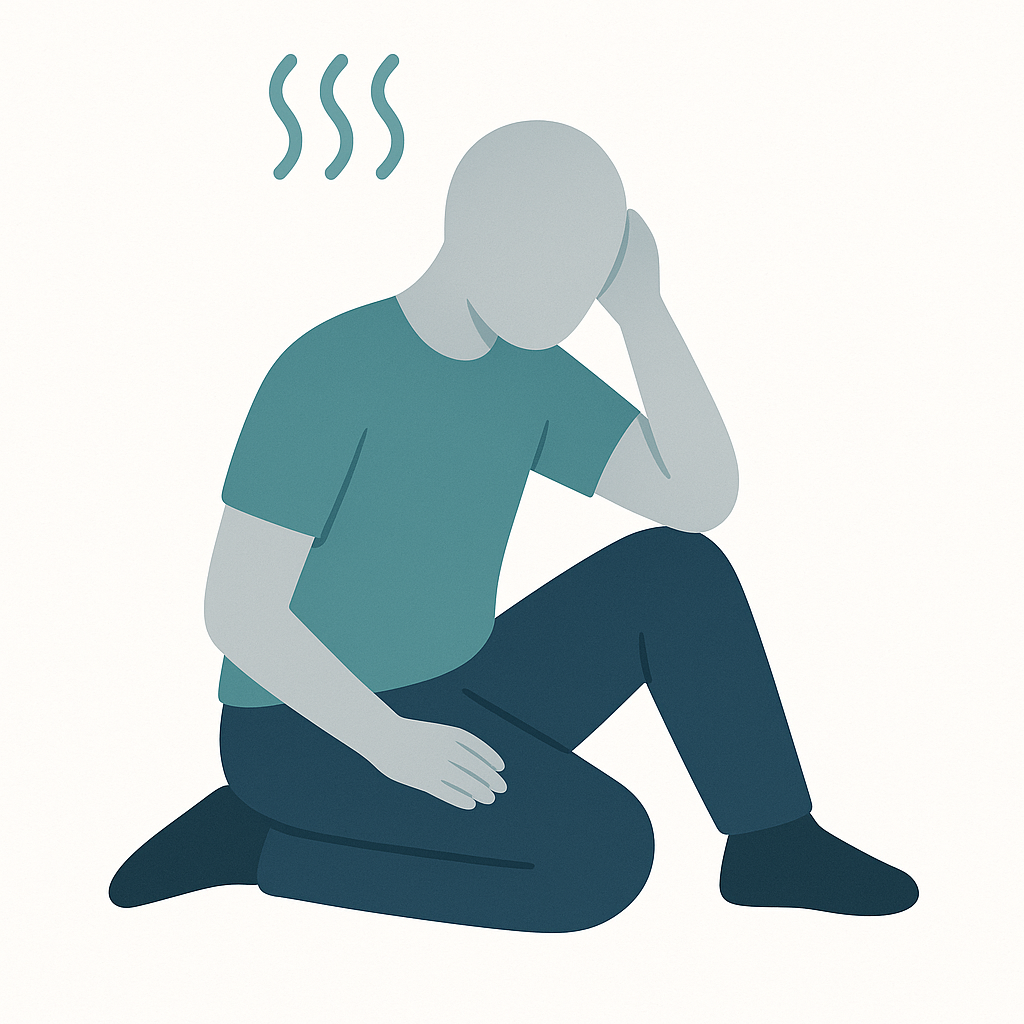
Heat exhaustion happens when the body gets too hot and cannot cool down properly. It is a common problem in warm weather or during heavy physical activity, especially if a person does not drink enough water. When someone has heat exhaustion, their body is working too hard to get rid of extra heat, and this can make them feel weak or sick. Understanding what heat exhaustion is and how to help someone with it is very important because it can stop a more serious heat problem from happening.
Heat exhaustion is part of a group of heat-related illnesses. It is not as severe as heat stroke, but it can lead to heat stroke if it is not treated. Heat stroke can be very dangerous and needs emergency help right away. Heat exhaustion usually happens when people are outside in hot weather, working hard, playing sport, or even just spending time in the sun without enough rest and water.
When the body gets hot, it tries to cool down by sweating. Sweat is mostly water, and when it evaporates from the skin, it helps cool the body down. But if a person loses too much water and salt through sweat and does not replace them, their body can start to stop working well. This causes heat exhaustion.
You might notice signs of heat exhaustion in someone who is hot and tired. They may feel dizzy, weak, or sick to their stomach. Their skin might be pale or clammy, and they could be sweating a lot. A person with heat exhaustion might have a headache or cramp in their muscles. They can also feel very thirsty and need to sit down or rest.
Heat exhaustion affects the body’s ability to keep cool. The heart works harder to pump blood to the skin and muscles, and the loss of water and salt can make this difficult. This means less blood goes to important places like the brain, making the person feel dizzy or faint. The body’s temperature might be higher than normal, but usually not over 40 degrees Celsius. This is still dangerous and needs care.
If you see someone with heat exhaustion, it is important to help them quickly. The first thing to do is move the person to a cooler place. This might be inside a building or into the shade outside. Remove any tight or heavy clothing to help their body cool down more easily. Encourage the person to lie down and rest.
Next, help the person drink water or a cool, non-alcoholic drink if they can swallow safely. Water helps replace the fluids they lost through sweating. If water is not available, a cool cloth or sponge on their skin can help cool them down. Try to keep them calm and comfortable.
It is very important to watch the person closely. If they do not get better in a few minutes, or if their condition gets worse, call emergency services straight away by dialling 000 in Australia. Signs that they need urgent help include vomiting, confusion, fainting, seizures, or if their skin becomes very hot and dry. These signs could mean they are developing heat stroke, which needs fast medical care.
People who are most at risk of heat exhaustion include older adults, very young children, people who are overweight, and those with long-term illnesses. People who work outside or do hard physical activity in the heat are also more likely to get heat exhaustion. Drinking alcohol and wearing dark or heavy clothing on hot days can make heat exhaustion more likely.
Preventing heat exhaustion is important and can be simple. On hot days, drink plenty of water before you feel thirsty. Take breaks in the shade or in a cool place, and wear light, loose clothing made from natural fibres like cotton. Avoid heavy exercise when it is very hot, and protect your head with a hat. Remember that humidity can make it harder for sweat to evaporate and cool the body, so extra care is needed in humid weather.
Heat exhaustion is a warning sign from the body. It tells us that we need to stop and cool down before the problem gets worse. By acting quickly and calmly, you can help someone with heat exhaustion feel better and keep them safe.
If you ever feel unwell during hot weather with symptoms like dizziness, weakness, or nausea, tell someone right away and find a cool place to rest. Drinking water and cooling down will usually help.
Heat exhaustion is a common and serious condition during heatwaves, outdoor events, and in hot work environments. Knowing what to look for and how to respond makes a big difference. Always stay safe and check on friends, family, and others who might be at risk during hot weather. If in doubt about a person’s condition, contact emergency services on 000 without delay.
Remember the simple steps: cool down, rest, drink water, and call for help if things get worse. These actions can save lives. Heat exhaustion may seem common, but it is a clear signal from the body that it needs care and attention. Being aware and prepared can help everyone stay safe when temperatures rise.