
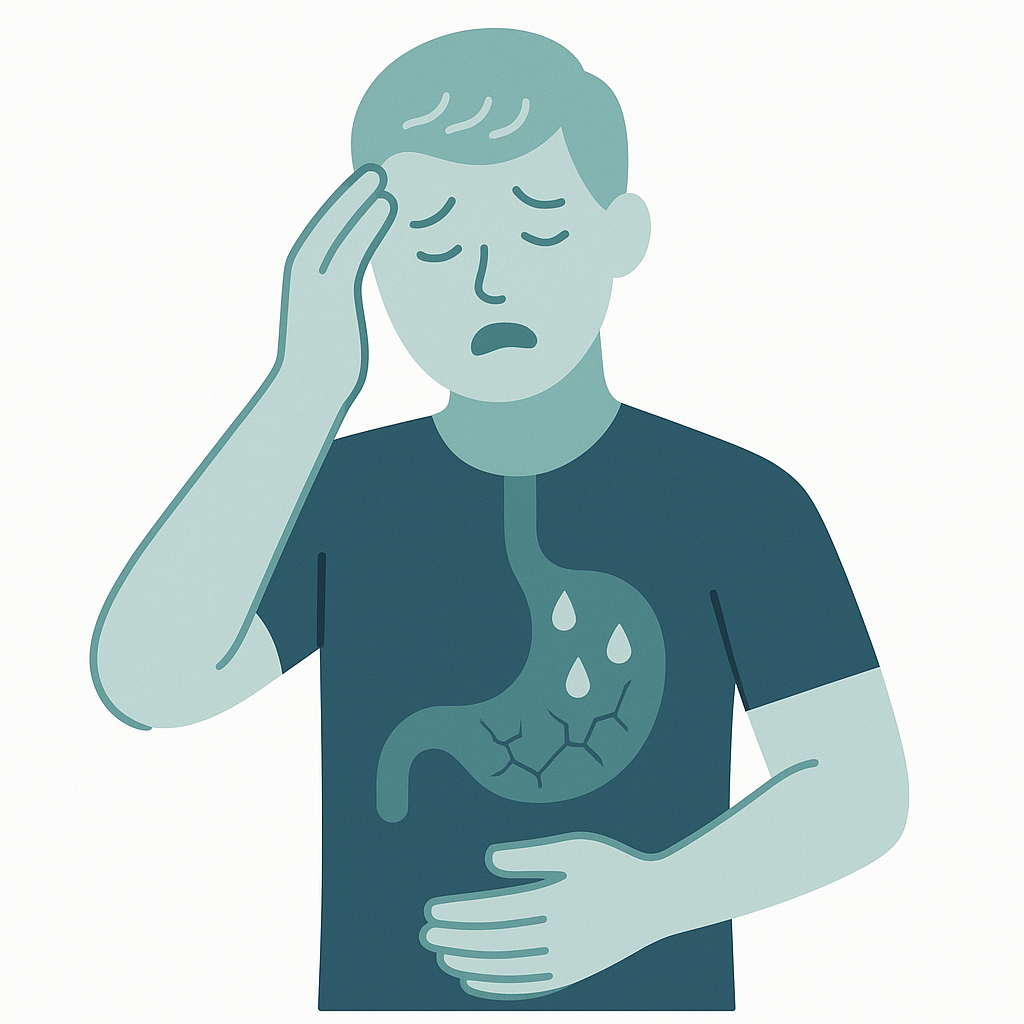
Dehydration
Dehydration happens when your body loses more water than it takes in. Water is very important for your body because it helps keep everything working properly. When you do not have enough water in your body, your organs and muscles cannot work well. Dehydration can be caused by many things like not drinking enough fluids, being in hot weather, sweating a lot, being sick with vomiting or diarrhea, or exercising hard for a long time.
In first aid, knowing about dehydration is important because it can cause serious health problems if not treated. Dehydration can affect anyone, but it is especially dangerous for young children, older adults, and people who are already sick. When someone is dehydrated, they might feel weak, dizzy, or very thirsty. Recognising the signs early can help you give first aid and prevent the condition from getting worse.
What happens in the body during dehydration
Our bodies are made up mostly of water. This water helps keep our temperature steady, moves nutrients around, and removes waste. When you lose too much water, the body tries to save what it has by reducing sweat and making less urine. Blood pressure may go down, and your heart has to work harder to keep blood moving.
If dehydration gets bad, the body’s cells cannot work properly. This can cause confusion, fainting, or even make organs stop working well. The brain needs water to work properly, so dehydration can also affect how well someone thinks and feels.
Signs and symptoms of dehydration
It is important to notice the signs of dehydration early. Some signs are easy to spot, while others need more attention.
Some common signs you might see include:
Feeling very thirsty – this is the first sign your body needs water.
Dry mouth and lips – the inside of the mouth may feel sticky or dry.
Tiredness or weakness – the person may feel very tired or have no energy.
Dizziness or feeling light-headed – standing up might make someone feel like they will fall over.
Less pee or dark-coloured pee – when dehydrated, the body tries to save water by making less urine. If you do go to the bathroom, the urine may be dark yellow or amber.
Headache – sometimes dehydration causes a mild to strong headache.
Cold or dry skin – the skin might feel cool or dry instead of warm and moist.
Sunken eyes – the area around the eyes may look sunken or tired.
Confusion or irritability – dehydration can make someone feel grumpy or confused.
If dehydration becomes severe, signs may also include fast heartbeat, rapid breathing, fainting, or unconsciousness. These are serious symptoms and need emergency help straight away.
Causes of dehydration
Dehydration can happen for many reasons. Most often it is because the body loses too much water through sweat, urine, or breathing.
Hot weather and exercise
When it is hot or when someone is exercising hard, the body makes sweat to cool down. Sweat is mostly water, so you lose water quickly. If you don’t drink enough, dehydration can start.
Illness
Being sick with vomiting or diarrhea causes a person to lose water quickly. This can lead to dehydration, especially in children and the elderly.
Not drinking enough fluids
Sometimes people don’t drink enough water during the day. This can happen if they are busy, forget, or don’t feel thirsty even when they need water.
Other causes
Some medicines or medical conditions can also increase the chance of dehydration. For example, some medicines make you pee more, which can cause you to lose water.
How to help someone who is dehydrated
If you think someone is dehydrated, the first thing to do is encourage them to drink water or other fluids that replace lost salts and minerals. Plain water is good, but sometimes drinks with electrolytes (special salts) help more in cases of moderate dehydration.
Make sure the person rests in a cool, shady place if they are hot. Avoid putting them in strong sunlight or near heat.
If the person is feeling weak or dizzy, help them sit or lie down safely so they don’t fall and hurt themselves.
If the person is very thirsty, having a dry mouth, tired, or dizzy, give them small sips of fluids often.
Never force fluids if the person is vomiting or cannot swallow properly. In this case, seek medical help quickly.
When to call for emergency help
Dehydration can sometimes become very serious. You should call emergency services on 000 in Australia right away if the person has any of these symptoms:
Is unconscious or can’t wake up.
Is having trouble breathing.
Has a rapid heartbeat or feels like their heart is beating fast.
Is confused or acting very oddly.
Has severe vomiting or diarrhea and cannot keep fluids down.
Is a young child or old person who is very weak and dehydrated.
If you are not sure, it is better to call 000 and ask for help rather than wait. Emergency responders can give medicine and treatment to help the person recover safely.
How to prevent dehydration
The best way to stop dehydration is to drink plenty of water every day.
Drink more fluids when it is hot or when you are exercising.
Make drinking water part of your daily routine, even if you do not feel thirsty.
If you are sick with vomiting or diarrhea, be sure to drink more fluids or seek advice from a healthcare worker.
Keep an eye on young children and older people because they may not ask for water even when they need it.
Remember, other drinks like tea, coffee, and sugary drinks can sometimes cause you to lose more water, so water is the best choice.
Important safety tips
Always check that the water you give someone is clean and safe to drink.
Do not give very cold drinks quickly to a person who is thirsty because it might make them uncomfortable.
Be careful with children and older adults since they can get dehydrated more quickly and need gentle care.
If you are unsure about the situation or the person’s condition, call 000 for emergency help.
Summary
Dehydration means your body does not have enough water. It can happen when you lose water through sweat, urine, or sickness and do not replace it by drinking fluids. Dehydration is common but can become serious if ignored.
Knowing the signs like thirst, dry mouth, tiredness, and dizziness helps you act quickly. In mild cases, drinking water and resting can help. In serious cases, such as confusion or unconsciousness, call emergency services immediately.
Drinking plenty of water every day and watching out for people at risk can prevent dehydration. Staying safe and caring for others can keep everyone healthy and strong.