
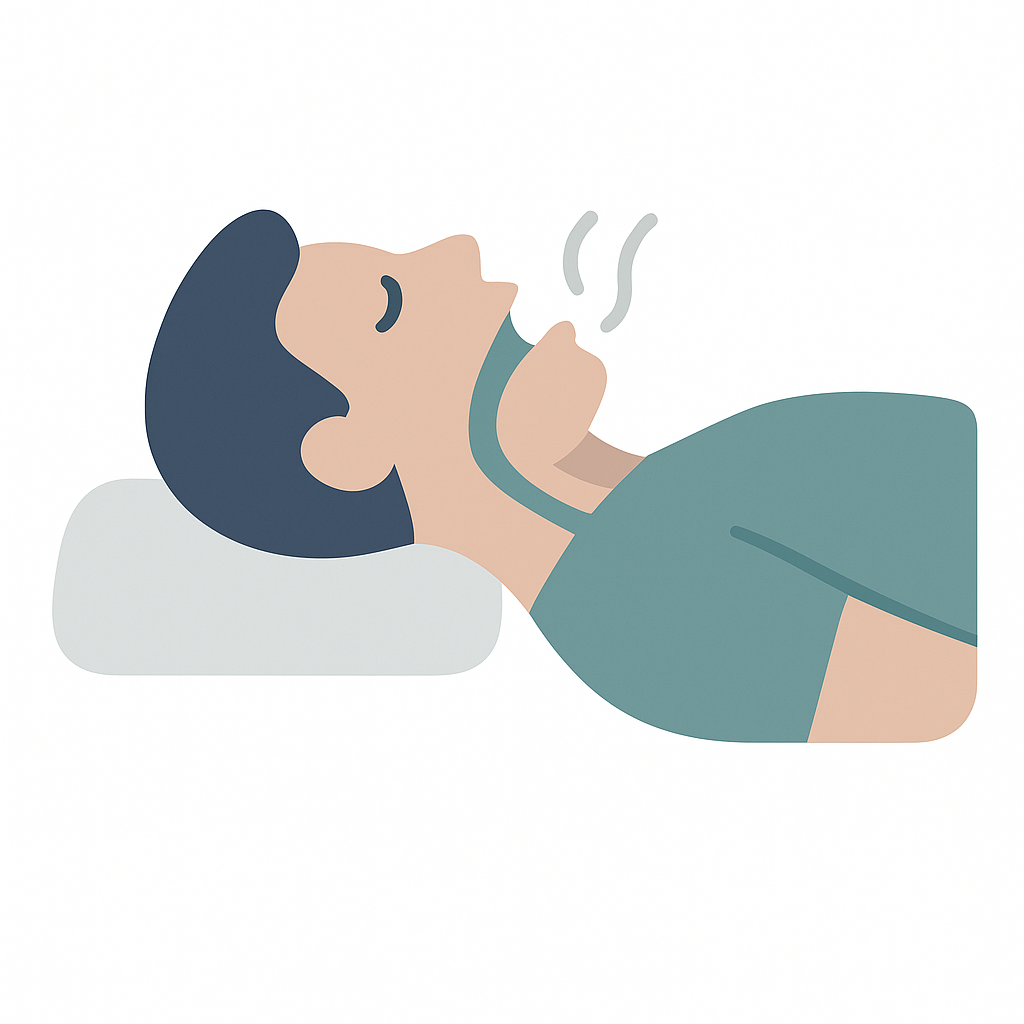
Apnoea
Apnoea means a person stops breathing either for a short time or longer. In simple words, it is when someone does not take a breath at all for a while. Breathing is very important because it helps bring oxygen into the body. Without oxygen, the body cannot work properly and this can become life-threatening quickly. Apnoea is a word often used in first aid and emergency care to describe a serious problem that needs quick attention.
What happens during apnoea
When a person has apnoea, their normal breathing stops. This means no air moves in or out of the lungs. Without breathing, oxygen cannot get into the blood. The body needs oxygen to keep the brain and other organs working. If breathing does not start again soon, the person’s body will begin to suffer from a lack of oxygen.
Sometimes apnoea occurs because something is blocking the airway. This is the path through the nose, mouth and throat that air uses to reach the lungs. If this path is blocked, no air can get through. At other times, the problem may be because the brain or muscles that control breathing stop sending signals to breathe.
Signs you might see
If someone has apnoea, you may notice that they stop breathing for a time. Their chest does not move up and down as usual. They may look very still and quiet. The person could lose colour in their face and lips, which can turn pale or blueish because of a lack of oxygen.
In some cases, you might see the person suddenly stop breathing and become very still or even collapse. Sometimes they might start to snore or gasp for air before breathing stops completely.
Why apnoea is important in first aid
Apnoea is a medical emergency. If a person stops breathing for more than a few seconds, they need help immediately. Without air and oxygen, the brain can suffer damage within minutes. The longer the body goes without breathing, the greater the risk of severe harm or death.
First aid aims to check if the person is breathing and, if they are not, to help them start breathing again or to get emergency help. Making sure the airway is clear is very important. This means the path for air to get into the lungs is open and not blocked by anything like food, vomit or the tongue. Clearing the airway and helping the person breathe is the first step until medical help arrives.
What to do if you see someone with apnoea
If you notice someone has stopped breathing, stay calm. Call emergency services straight away by dialling 000 in Australia. Tell the operator that the person has stopped breathing and needs help urgently.
While waiting for help, check if the person is lying on their back and try to open their airway gently. This can be done by tilting the head back slightly and lifting the chin. This position helps open the airway so air can get through.
If the person is not breathing and you know how, giving rescue breathing helps get oxygen into the lungs. This should only be done if you feel safe and able. If you are unsure, focus on calling emergency services and getting professional help.
Safety advice
Always keep your own safety in mind. Do not put yourself in danger to help someone else. If the person is in a risky place, like near traffic or water, try to move them carefully or call for help to ensure everyone is safe.
When helping someone who has stopped breathing, keep calm and act quickly. Knowing when to call emergency services can save lives. Dial 000 without delay if the situation is serious or if you are unsure.
Common causes of apnoea
There are many reasons why a person might stop breathing suddenly. It could be due to choking on food or an object. Sometimes a person may have a severe allergic reaction that blocks their breathing. Other causes include serious injury, illness, or a medical condition affecting the brain or lungs.
Babies and young children can have apnoea due to illness or problems with their breathing control. In adults, apnoea can also happen from drug overdose or after a major accident.
Understanding apnoea helps everyone be ready to act in an emergency. Quickly spotting when someone has stopped breathing and getting help fast makes a big difference.
Key points to remember
Apnoea means stopping breathing completely for a time. Breathing must keep happening so oxygen can get into the body.
If someone stops breathing, call 000 right away to get emergency help.
Try to open their airway gently and check if they start breathing again.
If trained and safe, rescue breathing can help until ambulance staff arrive.
Stay calm and focused to give the best help you can.
The faster you act, the better the chance the person will be okay.
Apnoea is serious, but with quick first aid and emergency support, many people survive and get better. Knowing what apnoea means and what to do helps you be prepared to help others in a time of need.