Ineffective Breathing

Ineffective breathing is when a person is not breathing well enough to get enough air into their lungs. This means their body might not be getting enough oxygen to work properly. Breathing is very important because oxygen is what keeps our body alive and healthy. When someone struggles to breathe, they may need help right away.

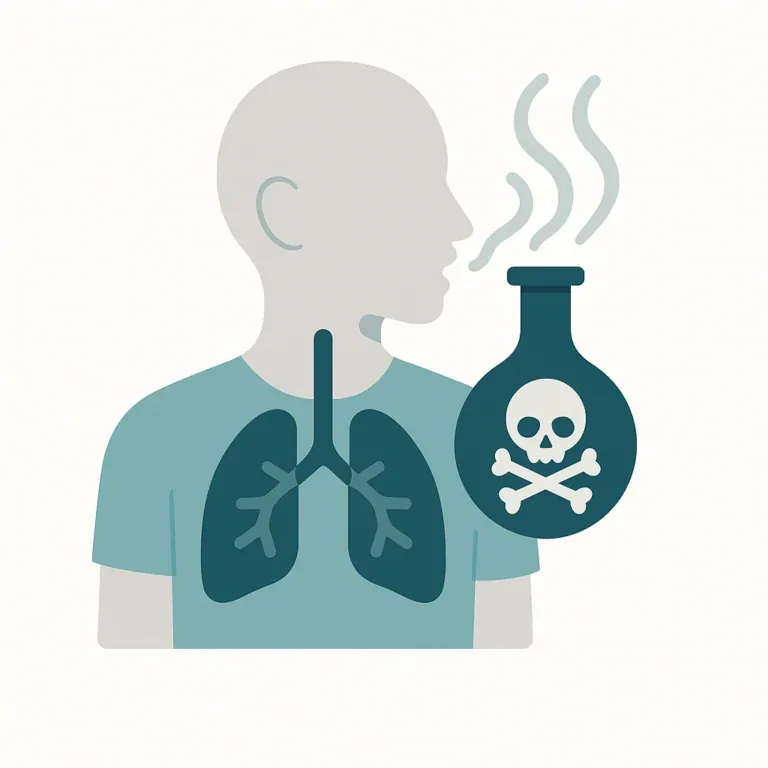
Breathing is how we take air in and push it out. When we breathe in, air goes through our nose or mouth, down our throat, and into the lungs. The lungs take oxygen from the air and send it to the blood. When we breathe out, the lungs get rid of carbon dioxide. Carbon dioxide is a waste gas the body wants to get rid of. Ineffective breathing happens when this process is not working well.

In first aid, noticing ineffective breathing is very important. If someone is not breathing properly, their body may start to feel weak and they can become unconscious quickly. This is an emergency because the brain and other organs need oxygen all the time to work. If they do not get enough oxygen, they can get hurt in a very short time.

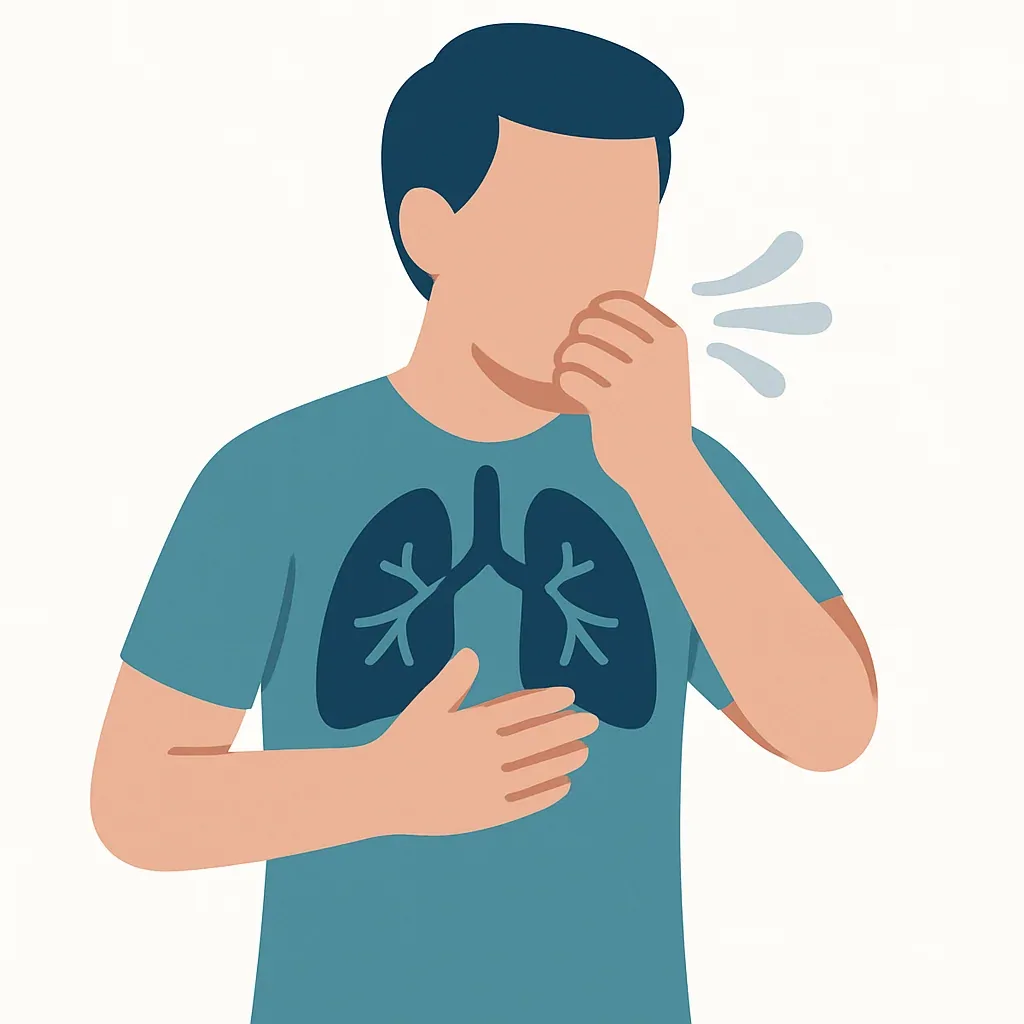
Signs of ineffective breathing can be easy to see. The person might have trouble breathing in or out. Their breathing can be very slow or very fast. Sometimes, it might sound noisy, like wheezing, gasping, or making strange sounds. The person’s skin might turn pale, blue, or grey, especially around the lips and fingers. They may also feel dizzy, weak, or confused.

Sometimes, the chest may not move much when the person tries to breathe. Or you might see the chest pulling in between the ribs or at the neck as they try to get air. The person might feel like they cannot get enough air. If the person is a baby or young child, you might see their tummy or sides moving very fast or unevenly when they breathe.

There are many reasons why someone may have ineffective breathing. It may happen after a serious injury, if something is blocking the airway, or with sickness like asthma or choking. Allergic reactions can also cause the throat to swell and make it hard to breathe. Sometimes, people breathe poorly if they are very tired, scared, or have a heart problem.

When you see a person who is not breathing well, it is very important to act quickly but calmly. The first step is to try to keep the person safe and comfortable. Help them sit up or lie in a position that makes it easier to breathe, if you can. Try to keep their airway open. This means making sure nothing is blocking their mouth or throat.

You should watch the person closely. If at any point they stop breathing or become unconscious, you need to call emergency services right away by dialing 000 in Australia. The ambulance service can give the person the care they need. While waiting for help, stay with the person and keep them calm.

In first aid, one of the main responses to ineffective breathing is to support the person’s breathing. This might mean helping them sit up or encouraging slow, deep breaths if they can manage. You may need to clear simple things like mucus or small pieces of food from their mouth. Never try to forcefully remove something stuck deep in the throat, as this could cause more harm.

If someone is choking and can’t breathe at all, this is a very serious problem. You need to call 000 immediately. First aid may involve helping the person to cough or doing back blows or chest thrusts if they cannot clear the blockage. Again, these actions are for emergency help until professionals arrive.

In some cases, people with breathing problems may carry medication, like an inhaler, to help open up their airways. If they have their medication with them and can use it, assist them in doing so. Always follow the person’s instructions and don’t give any medication you don’t know about.

It is important to remember some general safety tips when helping someone with breathing difficulties. Make sure you are safe before you get close to the person. If there is smoke, fire, or dangerous chemicals nearby, do not put yourself at risk. Move the person only if the place they are in is unsafe.

Keep the person calm, as feeling scared or anxious can make it harder to breathe. Talk in a soft and steady voice, and reassure them that help is coming. Encourage them to breathe slowly if they can. This can help reduce feelings of panic.

If the person is not breathing at all, their breathing is very weak, or they become unconscious, call 000 immediately. Follow any first aid steps you know, such as starting CPR (cardiopulmonary resuscitation), which helps keep blood and oxygen moving until paramedics arrive. Remember, quick action can save someone’s life.

It is also helpful to know when breathing problems are less serious but still need attention. If someone is breathing hard but can still talk or breathe quietly, watch them closely. If their condition gets worse or they start showing signs of ineffective breathing, call 000 for emergency help right away.

In summary, ineffective breathing means the person is not getting enough air or oxygen into their lungs. It can be a sign of an emergency or a serious health problem. Recognising the signs and helping the person stay calm and safe is very important. Contact emergency services promptly if the person’s breathing is weak, noisy, or stops completely.

Knowing about ineffective breathing can help you be ready to help yourself, your family, or others if the need arises. Always remember to stay calm, check the person’s breathing, keep them comfortable, and call for help if needed. Your quick and caring response can make a big difference in an emergency.