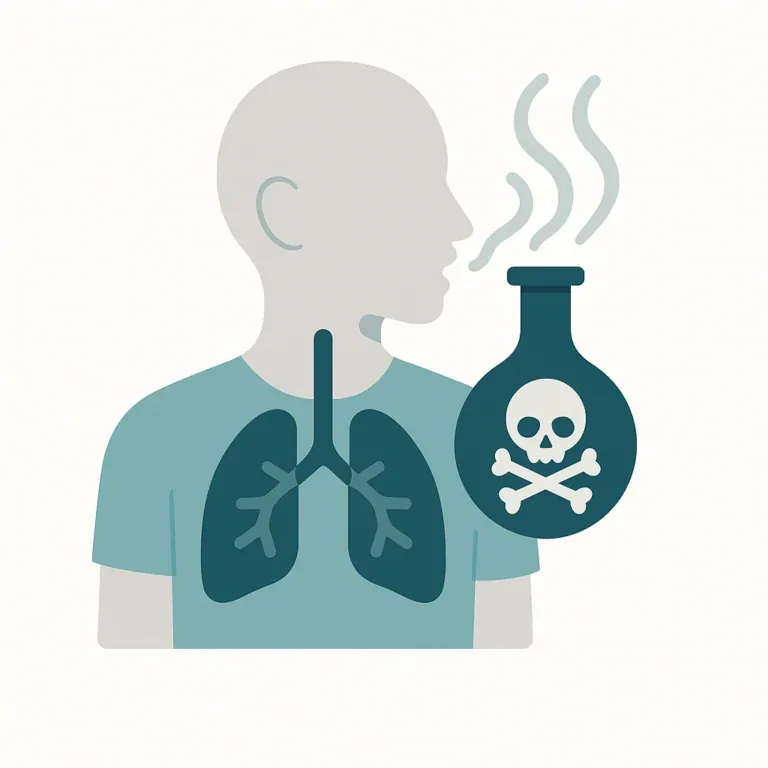
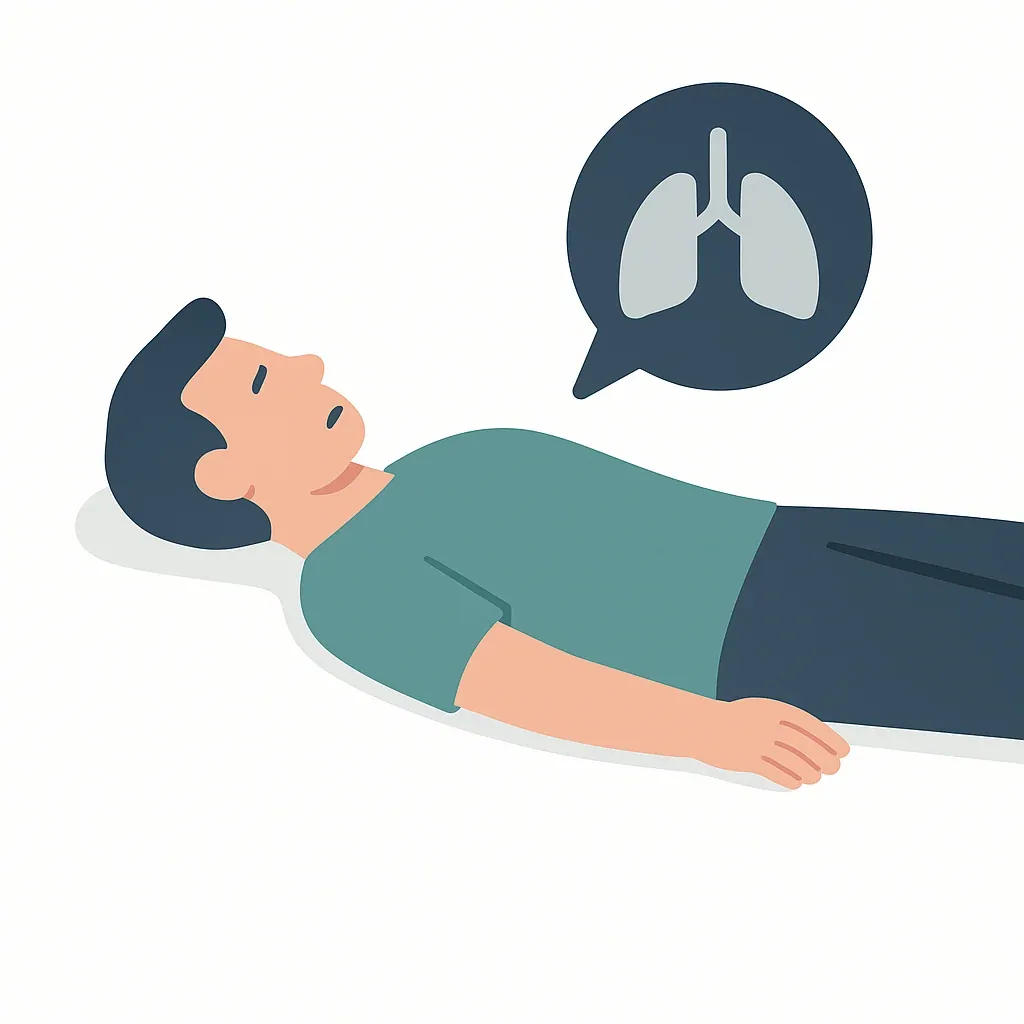
Respiratory arrest is a serious health emergency where a person stops breathing. It means the body is not getting the oxygen it needs to live. This condition can happen suddenly and needs quick action to help the person survive.
Breathing is one of the most important jobs our body does without us thinking about it. When we breathe in, oxygen enters the lungs and then moves into the blood. The blood carries oxygen to every part of the body. When breathing stops, the oxygen supply stops too. Without oxygen, the brain and other organs of the body can be damaged quickly. This is why respiratory arrest is very dangerous.
In first aid, respiratory arrest means the person is not breathing at all or is making no clear breathing sounds or movements. You may see the chest not moving up and down, and you might not feel any air coming from their nose or mouth. Sometimes a person might make gasping sounds, but this is not regular breathing.
Respiratory arrest is different from choking or difficulty breathing. In choking, a person struggles to breathe because something blocks their airway but may still get some air in. In respiratory arrest, breathing has completely stopped. It is also different from someone who is just short of breath or breathing fast. If you are not sure, it is better to get help fast.
If you find someone who you think is in respiratory arrest, it is very important to act quickly. The first part of helping is to check if the person is conscious, meaning awake or able to respond. If the person is not awake and not breathing normally, call emergency services immediately. In Australia, dial 000 for an ambulance.
While waiting for help to arrive, doing something called rescue breaths or mouth-to-mouth breathing can keep oxygen moving to the person’s body. Rescue breaths help by blowing air into the person’s lungs, replacing the oxygen they are not getting. This helps protect the brain and organs until professional help arrives.
When giving rescue breaths, it is important to make sure the airway is open first. This means gently tilting the person’s head back and lifting their chin so air can go through the throat easily. Opening the airway helps air flow into the lungs rather than getting stuck.
Always check for danger before helping someone. Make sure the area is safe for you and the injured person. If there is any risk to your own safety, you should not put yourself in danger. Call for emergency help and wait for trained medical workers to come.
If the person is not breathing and does not have a pulse (you cannot feel their heartbeat), emergency first aid may include CPR (cardiopulmonary resuscitation). CPR combines chest compressions and rescue breaths. The chest compressions help pump blood around the body, while rescue breaths bring in oxygen. CPR can keep someone alive until an ambulance arrives.
Even if the person begins to breathe again, it is important to keep watching them. They might still need medical help. Try to keep the person calm and comfortable if they wake and can respond. Help them rest until emergency workers arrive.
Some common causes of respiratory arrest include drowning, electric shock, severe asthma attacks, drug overdose, or severe injuries to the head or chest. It can happen to anyone at any time, so knowing what respiratory arrest is and what to do can save lives.
The signs of respiratory arrest to look out for include no breathing, no movement of the chest, no sound of air, possible loss of consciousness, and blue lips or face due to lack of oxygen. The person may also become very weak quickly.
It is important to remember that respiratory arrest needs immediate action. Calling 000 should be the first step if you are alone or with others. Emergency services can guide you over the phone on what to do before help arrives.
If you see someone collapse or stop breathing near you, stay calm and act quickly. Check if they respond when you speak to them or gently shake their shoulder. Look and listen for breathing. If they are not breathing or only gasping, call emergency help right away.
Do not try to give food, drink, or medicine to someone who is in respiratory arrest. This can make the problem worse by blocking the airway. Focus on calling for help and giving rescue breaths or CPR if you know how.
While waiting for an ambulance, it is helpful to have someone else provide first aid or call for help if you are alone. This teamwork can save time, which makes a big difference in emergencies like respiratory arrest.
In summary, respiratory arrest is when a person stops breathing completely. It is life-threatening and needs immediate first aid action. Checking for responsiveness, calling emergency services on 000, and offering rescue breaths or CPR are the key steps before medical help arrives.
Understanding respiratory arrest helps you know what to do if someone suddenly stops breathing. Your quick actions can save a life until professionals take over. Always remember to keep calm, call 000, and provide help safely.