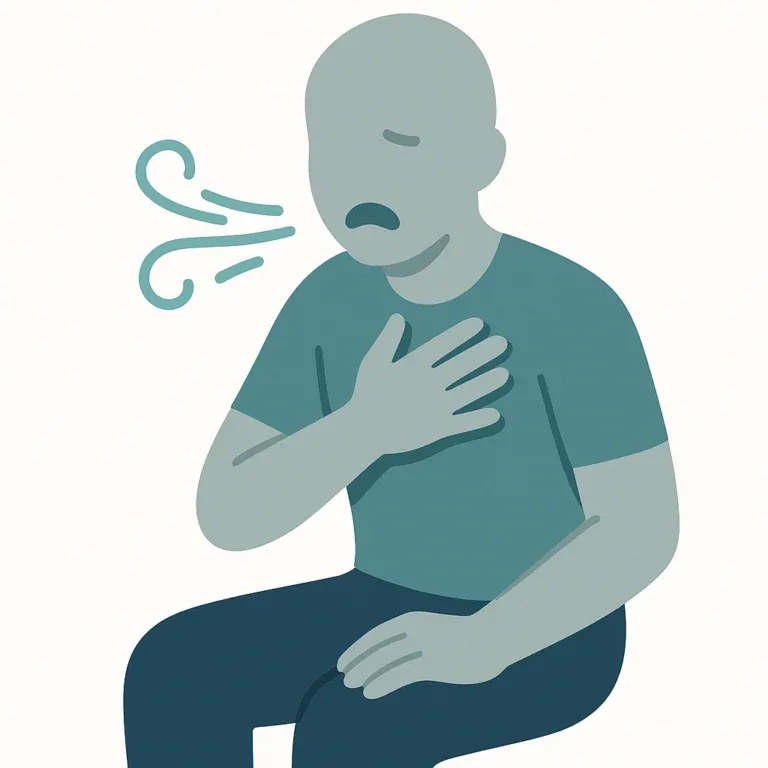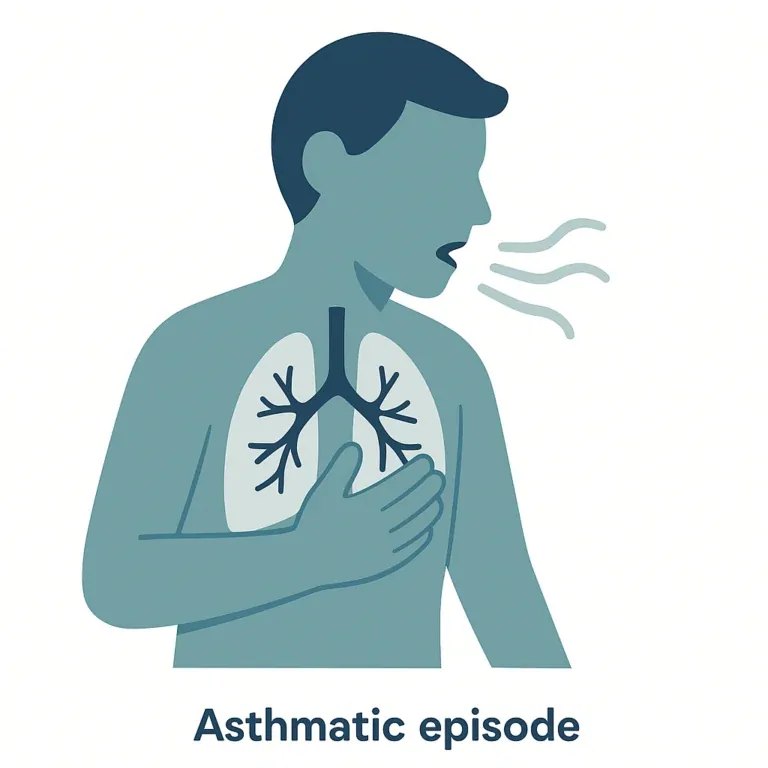


Spontaneous breathing is when a person breathes on their own without help. It means their body is working by itself to take in air and blow out carbon dioxide. This is an important sign that a person’s lungs and brain are working well enough to keep them alive.
When someone breathes spontaneously, you can see their chest rise and fall as they take breaths. Breathing in brings oxygen into the body, which every cell needs to work properly. Breathing out removes waste gases like carbon dioxide.
Why it matters in first aid
In first aid, noticing whether someone is breathing spontaneously helps you decide what to do next. If a person is breathing on their own, they may need less help than someone who is not breathing or is breathing very poorly. Knowing this can give you an idea about how serious their health problem might be.
The breathing process happens because the brain sends signals to the muscles that control breathing. These muscles include the diaphragm, a large muscle under the lungs that moves down to help pull air in. When these muscles work well, the person breathes spontaneously.
Sometimes a person might stop breathing suddenly. This can happen because of illness, injury, choking, drowning, or other emergencies. If this happens, they are not breathing spontaneously. This is dangerous and requires urgent help.
When to call 000
If you see someone who is not breathing spontaneously, it is important to act quickly. Call emergency services by dialing 000 in Australia. While waiting for help, you may need to begin first aid actions to help the person breathe again, like giving rescue breaths or chest compressions.
If a person is breathing spontaneously but seems very weak, confused, or has trouble talking and moving, it is still important to call 000. There could be a serious problem with their breathing or heart that needs medical attention fast.
In some cases, a person might have irregular breathing. This means their breaths could be very fast, slow, shallow, or uneven. Irregular breathing can be a sign of a serious health problem. Watch carefully and seek emergency help if you are worried.
When checking if someone is breathing spontaneously, look and listen for normal breathing sounds and chest movements. Try to stay calm and speak softly, as panicking can make the person more anxious or upset.
While helping someone who is breathing spontaneously, keep them comfortable and safe. Make sure their airway is clear. The airway is the path from the mouth and nose to the lungs. Sometimes things like the tongue, vomit, or swelling can block this path and make breathing hard.
Safety and prevention
If the airway is blocked, it can stop the person from breathing spontaneously. Gently turning someone onto their side may help keep the airway open and prevent choking on fluids.
Remember, spontaneous breathing is a good sign but does not always mean the person is out of danger. Always watch closely and get professional medical help when needed. When in doubt, call 000 for help.
Summary
In short, spontaneous breathing means a person’s body is still able to breathe on its own. It shows their lungs and brain are working. In first aid, noticing this helps decide how urgent medical help is. If breathing stops or changes a lot, call 000 quickly and give first aid if safe.
Always try to keep the person calm and safe. Check their breathing often until help arrives. Your quick action can make a big difference in keeping someone alive and comfortable.
Sources reviewed
Reviewed against current Australian respiratory, first aid and emergency guidance by the First Aid Glossary Editorial Team. This article is general information and does not replace emergency-operator directions, professional medical advice or hands-on first aid training.