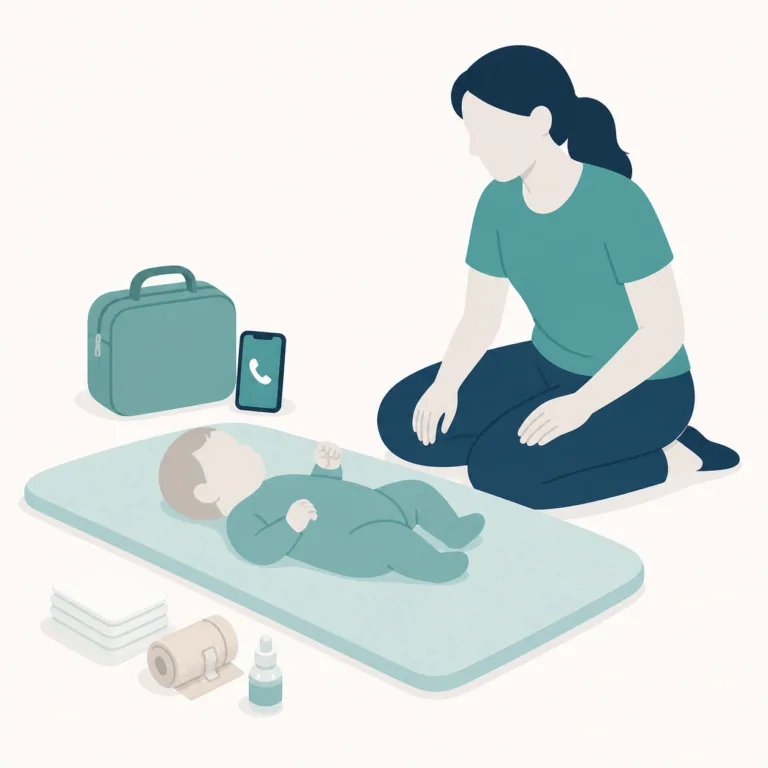


CPR means cardiopulmonary resuscitation. It is the emergency first aid technique used when a person is unresponsive and not breathing normally.
In practical first aid, that means calling 000, starting chest compressions, giving rescue breaths if you are trained and willing, and using an AED as soon as one is available.
What does CPR mean?
CPR stands for cardiopulmonary resuscitation.
It is one of the core actions within Basic Life Support and is usually remembered as part of DRSABCD.
It also sits inside the broader rapid first check described on the Primary Survey page.
When should CPR be started?
CPR should be started when a person:
- is Unresponsive
- is not breathing normally
- is only gasping or breathing abnormally
- may be in cardiac arrest or Respiratory Arrest
Occasional gasps do not count as normal breathing.
What are the main CPR steps?
- Make sure the area is safe.
- Check for a response.
- Call
000or send someone else to call. - Open the airway. The broader page for this step is Airway Management.
- Check whether the person is breathing normally.
- If the person is unresponsive and not breathing normally, start CPR immediately.
- Use an Automated External Defibrillator as soon as one is available.
Many first aiders are taught to give 30 chest compressions followed by 2 rescue breaths.
If you are not trained, not willing, or cannot give breaths, chest-compression-only CPR is still far better than doing nothing.
How does CPR fit with an AED?
CPR and an AED work together.
CPR helps keep blood moving while an AED checks the heart rhythm and tells you whether a shock is needed.
Do not stop CPR just because an AED is being fetched. Start CPR first, then use the AED as soon as it arrives.
Is CPR the same as the recovery position?
No.
The Recovery Position is used when a person is unresponsive but breathing normally.
If the person is unresponsive and not breathing normally, they need CPR instead of the recovery position.
Why is CPR so important?
When the heart stops pumping properly or the person stops breathing normally, the brain and other organs are quickly starved of oxygen.
Early CPR can buy time until paramedics arrive and can improve the chance of survival, especially when it is combined with early AED use.
Quick answer
CPR means cardiopulmonary resuscitation. On this site it sits inside Primary Survey, DRSABCD, and Basic Life Support. Start it when a person is Unresponsive and not breathing normally, and use an AED as soon as one is available.
How this page is checked
Publisher: First Aid Glossary Editorial Team
Last reviewed: 28 April 2026
Reviewed against: ANZCOR Guideline 8 – Cardiopulmonary Resuscitation (CPR), ANZCOR Guideline 3 – Recognition and First Aid Management of the Unconscious Person, Healthdirect Australia CPR information, and Triple Zero emergency-call guidance.
This page is educational and explains first aid language in plain English. It is not personal medical advice, diagnosis, or a replacement for accredited first aid training. In an emergency in Australia, call Triple Zero (000).