
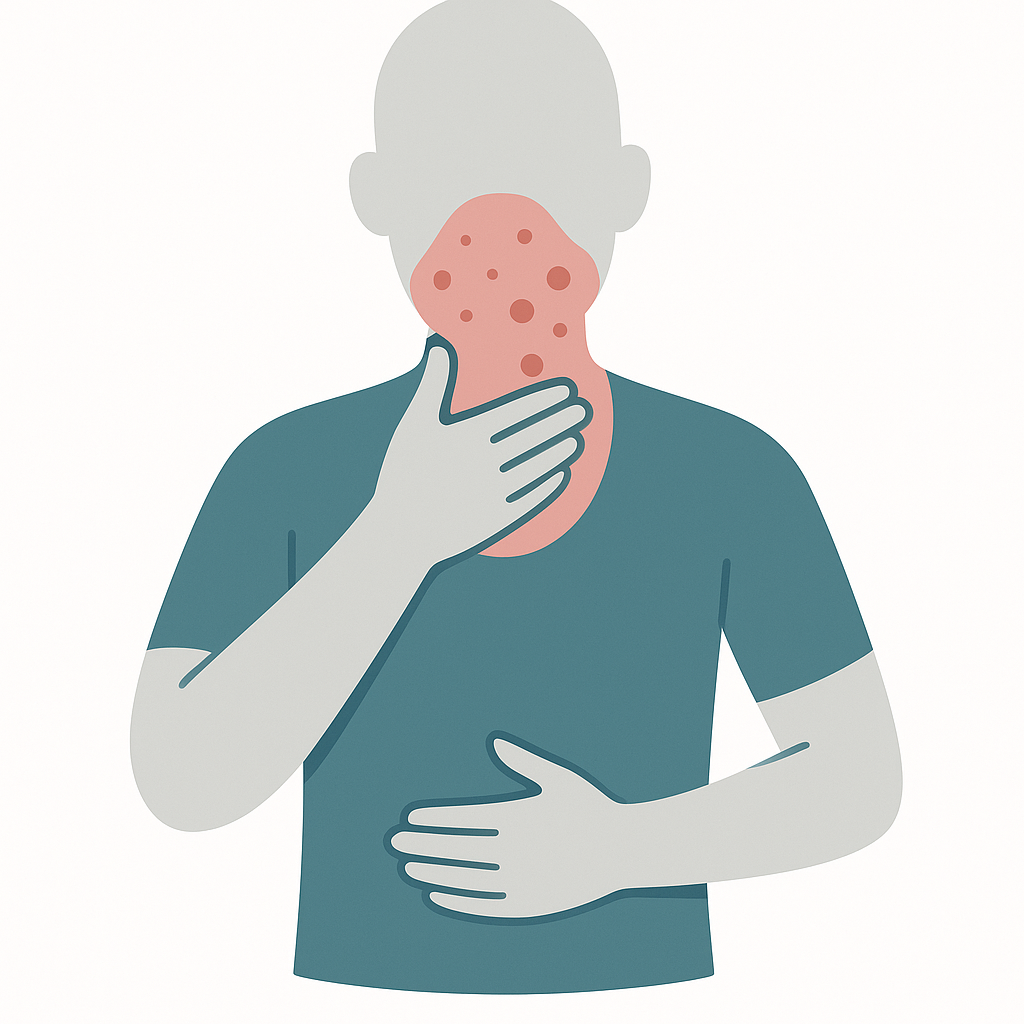
Anaphylaxis
Anaphylaxis is a very serious and sudden allergic reaction that can happen to anyone, sometimes even without much warning. It is a life-threatening condition where the body’s immune system reacts strongly to something it thinks is harmful, like certain foods, insect bites, medicines, or other allergens. This reaction can cause many parts of the body to stop working properly, so it needs quick attention and proper first aid.
What is Anaphylaxis?
Anaphylaxis is an extreme allergy attack. When a person with allergies is exposed to a trigger, their body releases chemicals that cause swelling, skin rash, trouble breathing, and other serious problems. This reaction happens fast, usually within minutes or up to a few hours, and can get worse very quickly.
The word “anaphylaxis” might sound confusing, but it really just means the body is overreacting to something that is usually harmless to most people.
What Happens in the Body During Anaphylaxis?
When an allergic person comes in contact with a trigger, their immune system thinks it is a danger. It releases a chemical called histamine and others into the blood. These chemicals cause blood vessels to widen, the airways to tighten, and sometimes the heart to beat strangely.
This leads to several common problems such as:
– Swelling of the face, lips, tongue, or throat, which can block airways.
– Trouble breathing or wheezing due to tight airways.
– A sudden drop in blood pressure, making the person feel weak or dizzy.
– Skin reactions like redness, itching, or hives (raised, itchy bumps).
– Feeling very unwell, faint, or losing consciousness.
Why is Anaphylaxis Important in First Aid?
Anaphylaxis is an emergency. Without quick first aid and medical treatment, the reaction can become more dangerous and even cause death. Knowing the signs and what to do can save someone’s life.
It is important to get help quickly because the body can stop working properly if the allergy reaction gets worse. First aid is about helping keep the person’s airways open, making sure they can breathe, and getting them medical care fast.
Signs You Might See in Someone Having Anaphylaxis
If someone is going into anaphylaxis, you may notice a few changes in how they look or act. They might show one or more of these signs:
– Trouble breathing, noisy breathing, or coughing.
– Swelling of the face, lips, or throat.
– Skin may have hives or red, blotchy patches.
– Feeling very weak, dizzy, or passing out.
– Feeling confused or very anxious.
– A fast or weak pulse.
– Complaining of stomach pain, vomiting, or diarrhoea.
– Feeling like something bad is happening, sometimes described as “doom”.
Sometimes, the person may say they are allergic or have an adrenaline injector (EpiPen®), which is a device used to treat anaphylaxis quickly. This can help you know what to do.
What Should You Do If Someone Has Anaphylaxis?
1. Call Emergency Services Immediately: Dial 000 in Australia if you think a person is having anaphylaxis. This is urgent. Tell the operator what is happening and where you are.
2. Help the Person Use Their Adrenaline Injector if They Have One: This device gives medicine that quickly works to stop the allergic reaction. If they can use it themselves, help them do that. If they are unable, someone else may need to help.
3. Keep the Person Safe and Comfortable: Encourage them to lie down and keep still. Raising their legs slightly can help if they feel faint. If they are sick or vomiting, turn them onto their side to stop choking.
4. Do Not Give Food or Drink: This is important because their throat could be swollen, and swallowing may be difficult.
5. Stay with Them and Monitor Their Condition: Watch for any changes until emergency help arrives. Being calm and supportive helps the person stay calm too.
General Safety Tips for Anaphylaxis
– Always take allergies seriously. Even if someone has mild allergies, anaphylaxis can happen.
– Know the common triggers like peanuts, shellfish, insect stings, and certain medicines.
– If you are with someone who has a known allergy, check if they carry an adrenaline injector and know how to use it.
– Do not delay in calling 000. It is better to get emergency help even if you are not sure.
– Be aware that anaphylaxis can sometimes happen without itching or rash, so look closely at breathing and behaviour.
When to Call Emergency Services
Call 000 if the person shows any signs of anaphylaxis or if you think they might be having a severe allergic reaction. Signs like difficulty breathing, swelling, sudden weakness, or losing consciousness always need urgent medical help.
Even if the person starts to feel better after using an adrenaline injector, the emergency services should still come. The reaction can come back again, and doctors need to watch the person carefully.
How to Help Someone After the Emergency
After emergency services take over, the person may need to stay in hospital for a while. It is important they see a doctor to find out what caused the reaction. This helps prevent future problems.
If you know someone with allergies, help them avoid their triggers and encourage them to carry their adrenaline injector at all times.
Summary
Anaphylaxis is a serious and sudden allergic reaction that needs fast first aid. It can make it hard to breathe and cause swelling, rash, or faintness. Recognising the signs early and calling 000 is very important. Helping someone use their adrenaline injector and keeping them safe can save their life. Always remember to take allergy warnings seriously and act quickly in an emergency.
If you or someone you know has allergies, understanding anaphylaxis can help keep everyone safe and prepared for any emergency.