
Fracture
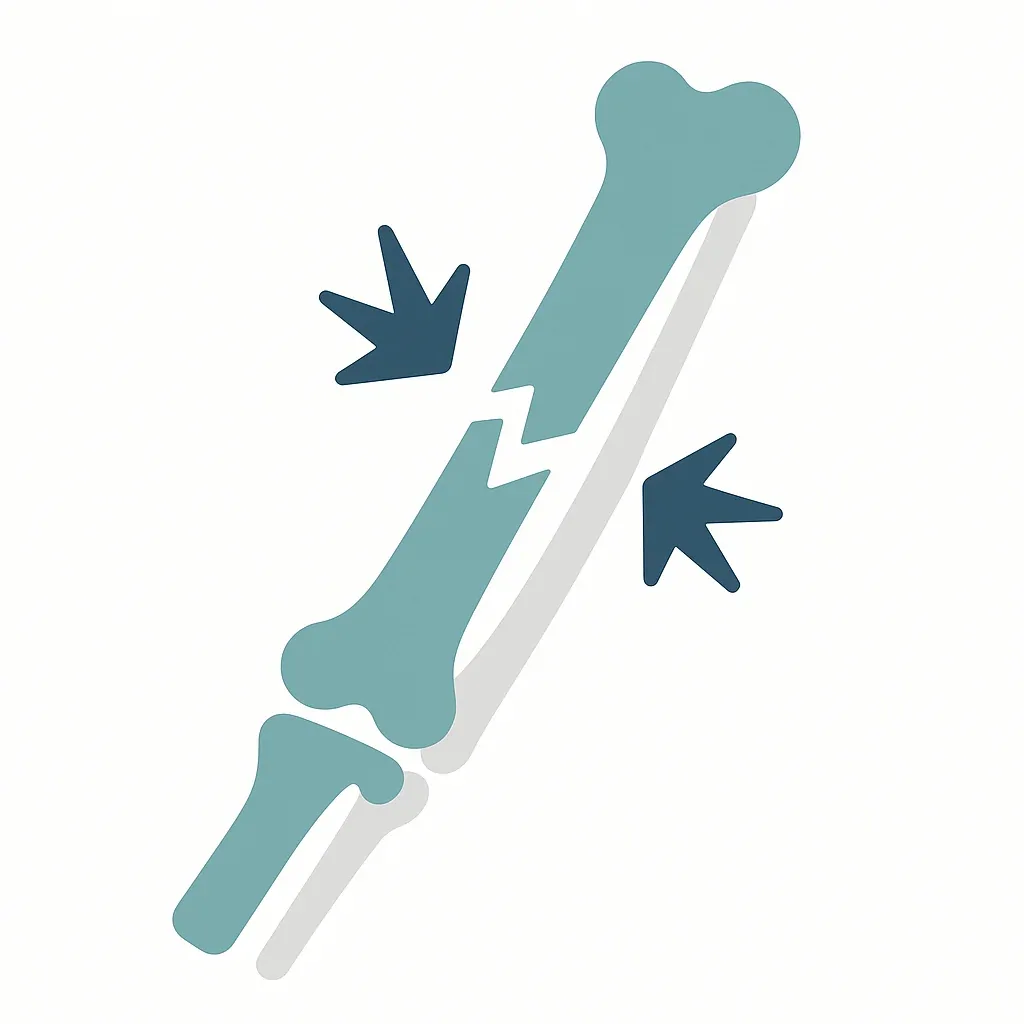
A fracture is a break or crack in a bone. Bones are the hard parts inside our bodies that give us shape and protect important organs. When a bone breaks, it means it has been damaged by a force that is too strong for it to handle. Fractures can happen from falls, accidents, sports injuries, or other impacts. They can be painful and might stop the bone from working the right way.
In first aid, understanding what a fracture is and how to respond calmly and safely can help someone feel better and avoid making the injury worse. Knowing when to call emergency services is also very important to get professional help when needed.
What is a Fracture?
A fracture means the bone has broken. This can happen in many ways. Sometimes the break goes all the way through the bone. Other times, it is just a small crack. The bone might break into pieces or bend slightly instead of snapping cleanly.
Fractures can happen in any bone in the body. The most common places for fractures include arms, legs, wrists, and ankles. The severity of the fracture depends on how much force caused the injury and the type of bone involved.
How to Recognise a Fracture
Knowing the signs of a fracture is helpful. You might see or notice:
– Pain at the injury site, which can be severe and sharp.
– Swelling or bruising around the injured area.
– The injured limb or part might look deformed or out of place.
– Difficulty moving the injured body part or no movement at all.
– A grating feeling or sound when the injured area is touched or moved (sometimes called “crepitus”).
– In some cases, the broken bone might be visible through the skin. This is called an open or compound fracture and needs urgent medical help.
If someone has fallen or been hit hard and shows these signs, it is important to check carefully and offer first aid.
Why Fractures are Important in First Aid
Fractures can cause many problems if not handled correctly. The broken ends of the bone can damage nearby blood vessels, nerves, muscles, and skin. This damage can cause serious pain, bleeding, and loss of feeling or movement.
Moving someone with a suspected fracture without care can make the injury worse. This is why it is important to keep the person still and avoid trying to straighten or push the bone back into place. Supporting the injured part with a splint or padding can help keep it steady and reduce pain.
Some fractures can also lead to serious bleeding or shock. Shock is a dangerous condition where the body does not have enough blood flow to keep organs working well. It can happen after big injuries and needs emergency help quickly.
How to Give First Aid for a Fracture
If you think someone has a fracture, stay calm and help them feel safe. Here are some simple steps you can follow:
– Stop any bleeding: If the injury is bleeding, use a clean cloth or bandage to gently press on the wound to slow the bleeding.
– Keep the person still: Ask them not to move the injured area. Moving can cause more pain and damage.
– Support the injured part: Use soft padding, a folded towel, or rolled-up cloth to keep the broken bone steady. You can also use a splint, which is something firm like a stick or board, placed alongside the limb. Tie it gently with cloth strips or bandages. Make sure it is not too tight to stop blood flow.
– Make the person comfortable: Keep them warm and calm. Offer reassurance and stay with them.
– Avoid giving food or drink: The person might need surgery later, so it’s best to wait before giving food or drinks.
– Watch for signs of shock: These include pale skin, cold sweat, weakness, fast breathing, or confusion. If these happen, it’s very important to get medical help immediately.
When to Call Emergency Services
If you are in Australia and someone has a suspected fracture, call 000 if:
– The injury is very painful or the limb is deformed.
– The bone is sticking out through the skin.
– The person cannot move the limb or fingers/toes.
– There is heavy bleeding that won’t stop.
– Signs of shock appear, like fainting, pale or cold skin, or difficulty breathing.
– The injury happened after a serious accident, like a car crash or a fall from a height.
– You are unsure about the seriousness of the injury.
Calling 000 connects you to ambulance services and emergency help. It is best to make the call quickly when the situation is serious.
Safety Tips to Remember
– Always stay calm and speak kindly to the injured person.
– Never try to push a bone back into place if it is sticking out.
– Do not move the person unless they are in danger, such as near fire or traffic.
– Keep the injured part still and supported.
– Use clean cloths or bandages to cover any wounds.
– Check for other injuries like cuts or burns.
– If you need to find help, ask nearby people or call emergency services.
What Happens After First Aid?
After giving first aid for a fracture, professional medical help is usually needed. Doctors may use X-rays to see the break clearly. They will decide if the bone needs a cast (a hard cover to keep it still), a splint, or in some cases, surgery.
Healing time for fractures can vary but may take several weeks. It is important to follow medical advice and avoid putting weight or pressure on the injured bone until it is healed.
How to Prevent Fractures
While accidents can happen, there are ways to help avoid fractures:
– Wear protective gear during sports or high-risk activities.
– Make home and work areas safe by removing tripping hazards.
– Use handrails on stairs.
– Keep walking areas well-lit.
– Maintain strong bones by eating healthy foods with calcium and vitamin D.
– Exercise regularly to keep muscles and bones strong.
Summary
A fracture is when a bone breaks or cracks. It can cause pain, swelling, and problems moving the injured area. First aid for fractures is about helping the injured person stay safe and comfortable while waiting for medical help. This includes stopping bleeding, supporting the broken bone, and watching for shock. Call 000 in serious situations or if you are unsure.
Knowing about fractures can help you respond calmly and carefully if someone gets hurt. Remember, the goal is to keep the person safe, reduce pain, and get the right help as soon as possible.
Sources reviewed
- Healthdirect: fractures
- St John Ambulance Australia: fracture and dislocation first aid
- Triple Zero: official emergency calling guidance
Reviewed against Australian first aid and emergency guidance by the First Aid Glossary Editorial Team. This article is general information and does not replace emergency-operator directions, professional medical advice or hands-on first aid training.