
Severe Bleeding
Severe bleeding means a lot of blood is coming out of the body very fast. It can happen if someone gets a deep cut, a bad injury, or something sharp goes into their skin. This kind of bleeding is serious because the body can lose too much blood, which makes it harder for the heart to pump and for the body to work properly. In first aid, knowing how to help someone with severe bleeding is very important because acting quickly can save a life.
What is Severe Bleeding?
Bleeding happens when blood comes out of a blood vessel, usually after an injury. There are many types of bleeding. Severe bleeding is when the blood is flowing a lot and fast, more than a small cut or scrape. You might see blood pouring out, or a deep wound that is soaked with blood. Sometimes, the blood may be dark or bright red, or it might spurt out if an artery (a big blood tube) is cut.
When severe bleeding happens, the body starts to lose blood quickly. Blood is very important because it carries oxygen and nutrients to all parts of the body. If too much blood is lost, the body’s organs can stop working. This is why severe bleeding is an emergency.
What Does Severe Bleeding Look Like?
If someone has severe bleeding, you might see:
– Blood soaking through clothes or bandages.
– A lot of blood coming out of a deep wound.
– Blood spurting out in time with the person’s heartbeat (this may mean an artery is injured).
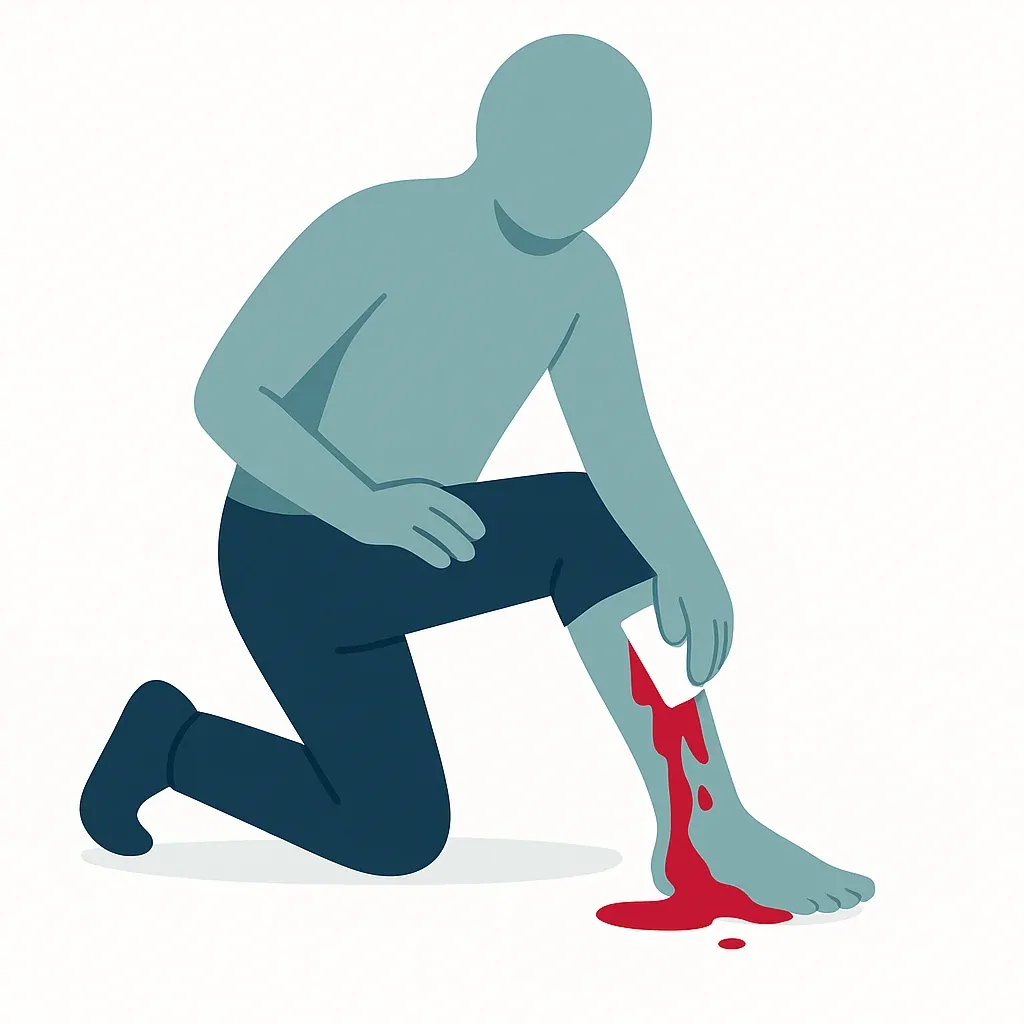
– Pooled blood around the injury or on the ground.
The injured person might look pale (very white), feel dizzy, confused, or very weak. They might breathe quickly or pass out if the bleeding is not stopped.
Why Severe Bleeding is a First Aid Emergency
Severe bleeding is very serious because the body can only lose a certain amount of blood before it becomes life-threatening. If bleeding is not stopped quickly, the person may go into shock. Shock is when the body does not get enough blood to the brain and organs. This can make the person faint, lose consciousness, or even die.
That is why it is important for anyone nearby to act fast. First aid can help stop the bleeding and keep the person alive until medical help arrives.
How to Help Someone with Severe Bleeding
The main goal in first aid for severe bleeding is to stop or slow down the bleeding. Here are simple things you can do:
1. Stay Safe
Before helping, make sure the area is safe. You do not want to get hurt too. If it is safe, you can help the injured person.
2. Call for Help
Dial 000 immediately if the bleeding is severe. Tell the operator it is a severe bleeding emergency. If you are not alone, ask someone to call 000 while you help the injured person.
3. Protect Yourself
If possible, wear disposable gloves to stop blood touching your skin. Blood can sometimes carry infections. If you do not have gloves, try not to touch the blood directly.
4. Apply Pressure
Use a clean cloth, bandage, or even your hand to press firmly on the wound. Pressing helps to press the blood vessels closed so less blood can flow out.
5. Keep Pressure On
Do not lift the cloth or remove the cloth once you put it on. Keep pressing hard until the bleeding slows or stops.
6. Use a Bandage or Cloth to Keep the Pressure
If you can, wrap the cloth around the wound to hold the pressure in place.
7. Elevate the Injury (If Possible)
If the injury is on an arm or leg, and it does not cause more pain, raise that limb above the level of the heart to slow the bleeding.
8. Watch the Person
Keep the injured person calm and still. Watch for signs of shock, like pale skin, confusion, or hard breathing. Try to keep them warm with a blanket or clothes.
9. Do Not Remove Objects
If something is stuck deep in the wound, do not pull it out. Leave it in place and put pressure around it.
When Should You Call Emergency Services?
Call 000 if the bleeding is:
– Spurting out rapidly.
– Flowing through more than one cloth or bandage.
– From a large or deep wound.
– From the neck, chest, or groin area.
– Accompanied by other serious signs like unconsciousness, difficulty breathing, or shock.
Even if you manage to stop the bleeding, the person still needs to see a doctor. Severe bleeding can cause other problems inside the body that only medical staff can find.
What You Should Not Do
– Don’t remove cloths or bandages once you are applying pressure.
– Don’t use a tourniquet (tight band around an arm or leg) unless you are trained and there is no other way to stop very bad bleeding.
– Don’t give the injured person food or drink because they might need surgery.
– Don’t move the person unless they are in danger.
What Happens Inside the Body During Severe Bleeding?
When the skin or tissue is damaged, blood vessels (tiny or big tubes carrying blood) break. Blood comes out quickly from the broken vessels. If the bleeding is heavy, the body loses blood faster than it can make new blood.
As blood flows out, less blood reaches the heart and brain. Without enough blood, the organs do not get oxygen. This causes the person to feel tired, weak, or dizzy. The heart tries to pump faster to bring blood around, but the loss might be too big.
If bleeding goes on for too long, the person might collapse or even stop breathing. This is life-threatening and needs quick first aid and emergency help.
What Causes Severe Bleeding?
Severe bleeding can happen because of many reasons, such as:
– Cuts from broken glass or knives.
– Car accidents or falls.
– Injuries from tools or machines.
– Animal bites or stings.
– Gunshot or stab wounds.
– Serious burns.
Even small wounds can sometimes bleed heavily if a big blood vessel is hurt.
How to Stay Safe and Prevent Severe Bleeding
Some simple safety rules can help prevent severe bleeding:
– Use tools and machines carefully and always follow safety instructions.
– Wear protective clothes like gloves or long sleeves when needed.
– Keep sharp objects out of reach of children.
– Drive safely and wear seat belts.
– Store medicines and dangerous objects where children cannot reach.
What to Do After Helping Someone
Once emergency services take over, or the bleeding stops, watch the person closely. They may still need hospital care. The injury might need stitches or other treatment.
Remember, helping someone stay calm and safe is important. Your quick actions and care can make a big difference.
Summary
Severe bleeding is when a lot of blood comes out of the body quickly. It is a serious emergency that needs fast first aid. Pressing firmly on the wound and calling 000 for emergency help are very important. Stay calm, protect yourself, and help the injured person until medical help arrives. Knowing what to do can save a life.
Always remember, if you see someone bleeding badly, don’t wait—act quickly and call for help!
How this page is checked
Publisher: First Aid Glossary Editorial Team
Last reviewed: 28 April 2026
Reviewed against: ANZCOR Guideline 9.1.1 – First Aid for Management of Bleeding, Healthdirect Australia first aid basics, and Triple Zero emergency-call guidance.
This page is educational and explains first aid language in plain English. It is not personal medical advice, diagnosis, or a replacement for accredited first aid training. In an emergency in Australia, call Triple Zero (000).