Shock
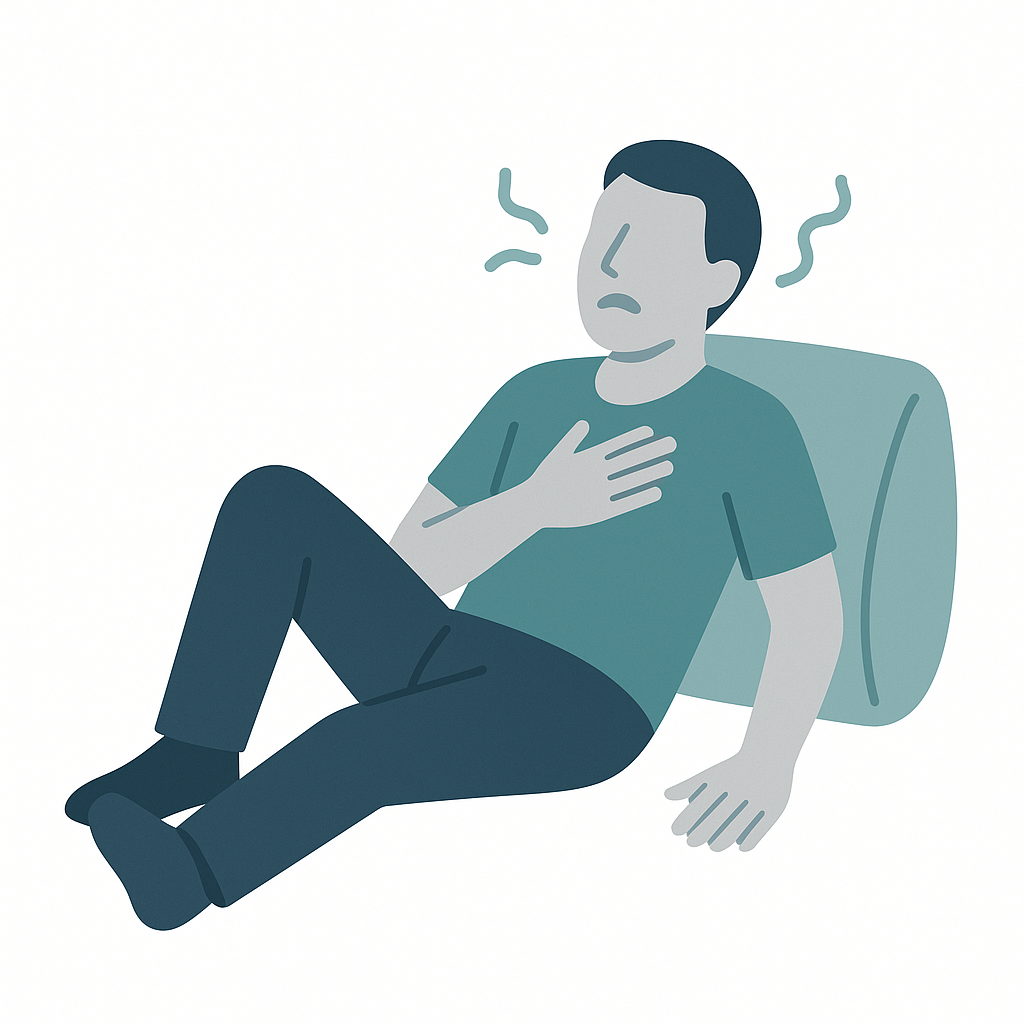
Shock is a serious condition where the body’s organs don’t get enough blood, making quick action crucial. Understanding the signs of shock can help you provide lifesaving first aid in emergencies before professional help arrives.

Shock is a serious condition where the body’s organs don’t get enough blood, making quick action crucial. Understanding the signs of shock can help you provide lifesaving first aid in emergencies before professional help arrives.
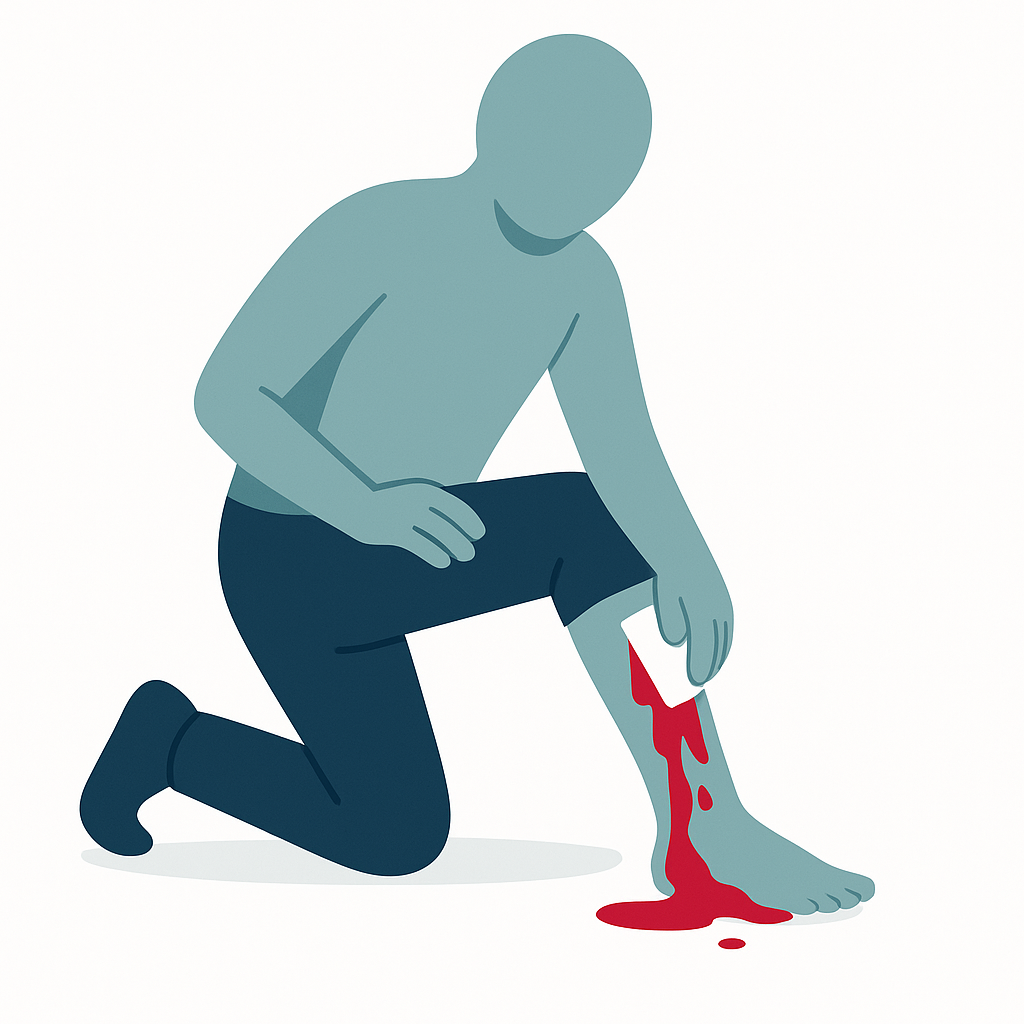
Severe bleeding is a serious emergency where a large amount of blood quickly leaves the body, and knowing how to respond fast can make all the difference in saving a life. Whether from a deep cut or a bad injury, recognizing the signs and acting quickly is crucial.
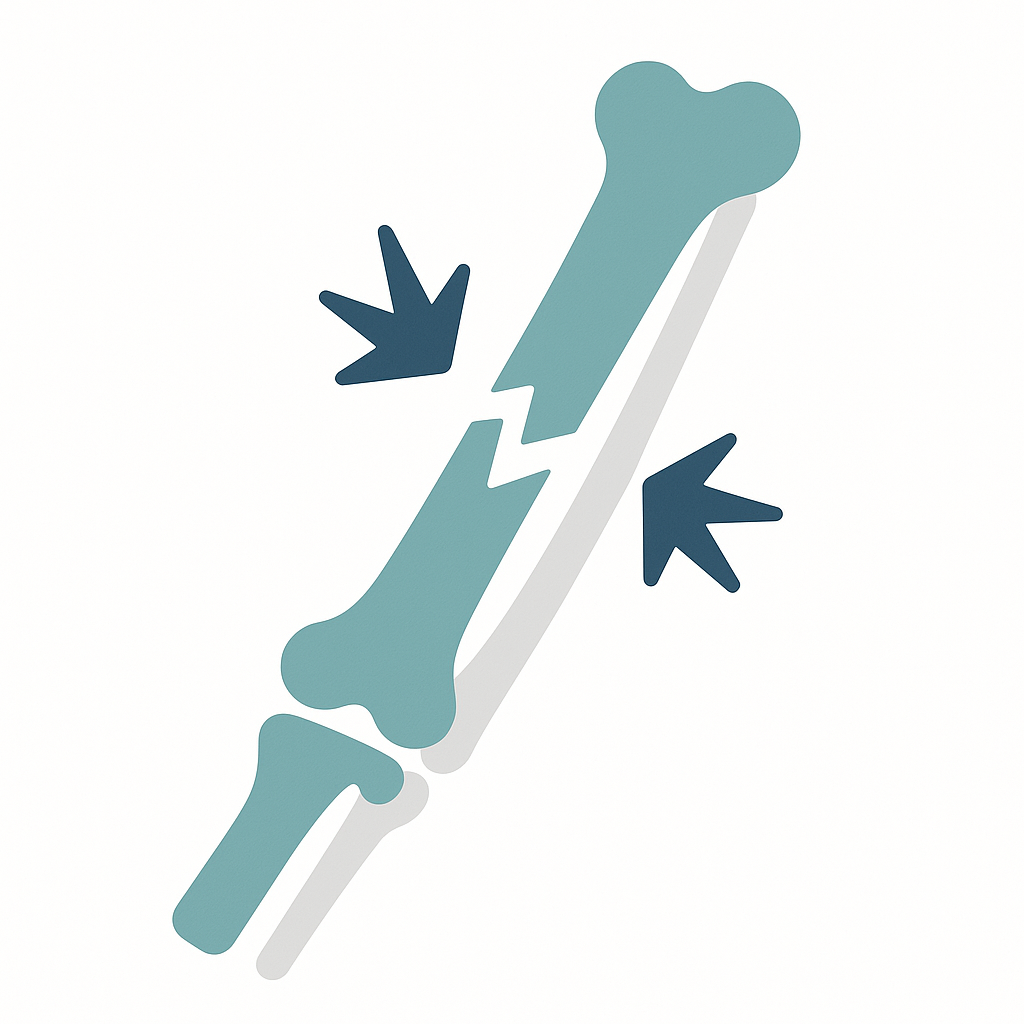
A fracture is a break or crack in a bone caused by a strong impact, and recognizing its signs—like pain, swelling, or deformity—can help you respond quickly and safely. Understanding what a fracture is and how to act can make all the difference in providing effective first aid.
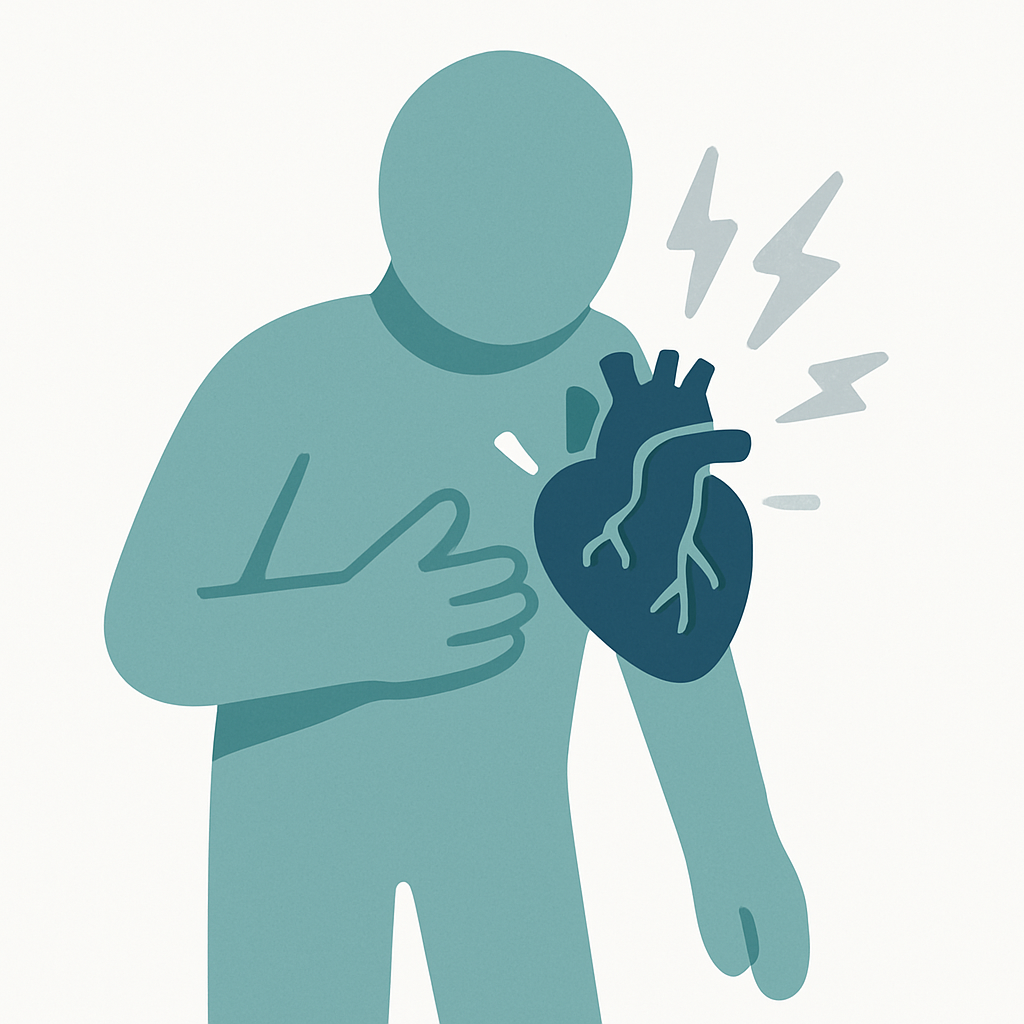
A heart attack happens when blood flow to the heart is blocked, causing serious damage if not treated quickly. Knowing the signs and how to respond with first aid can save lives and protect the heart from lasting harm.
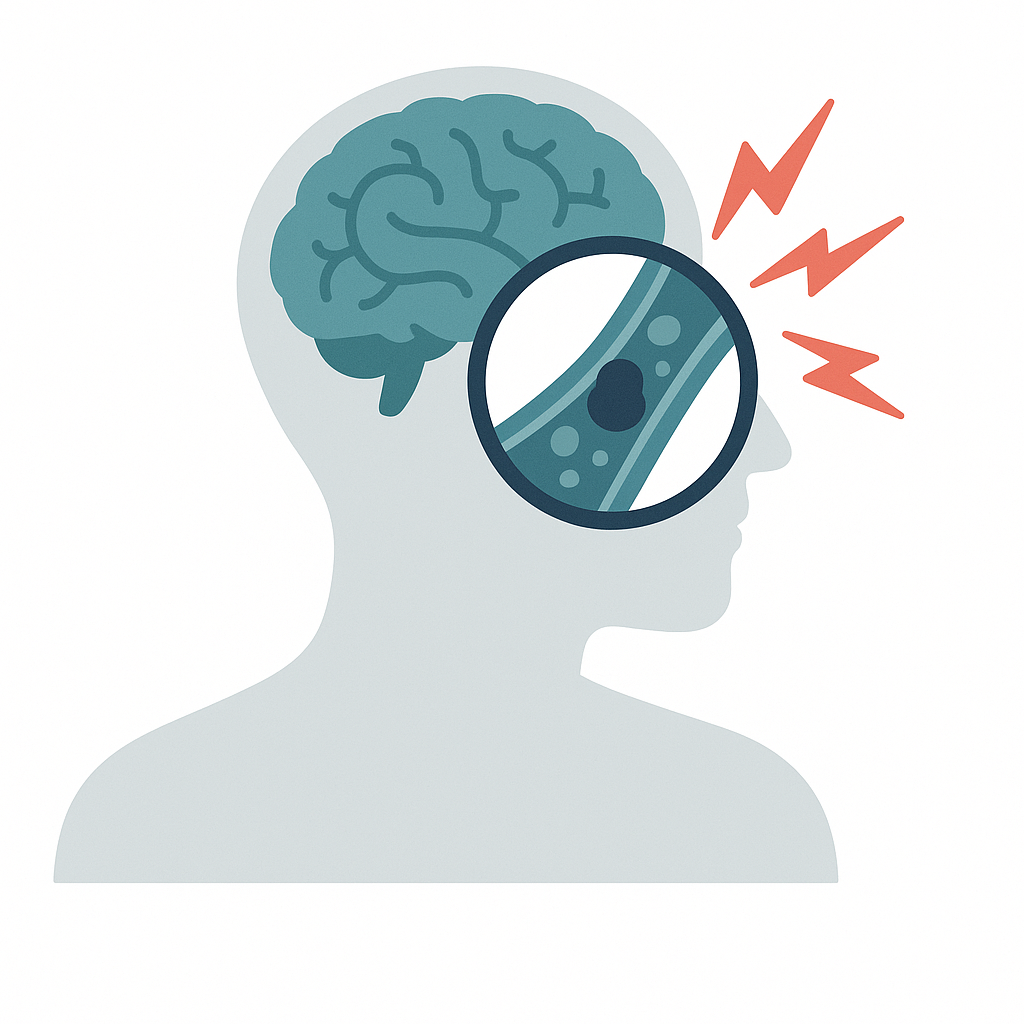
A stroke happens when blood flow to the brain is blocked or reduced, causing sudden loss of movement or speech. Recognizing the signs quickly is crucial—fast action can save lives and reduce long-term damage.
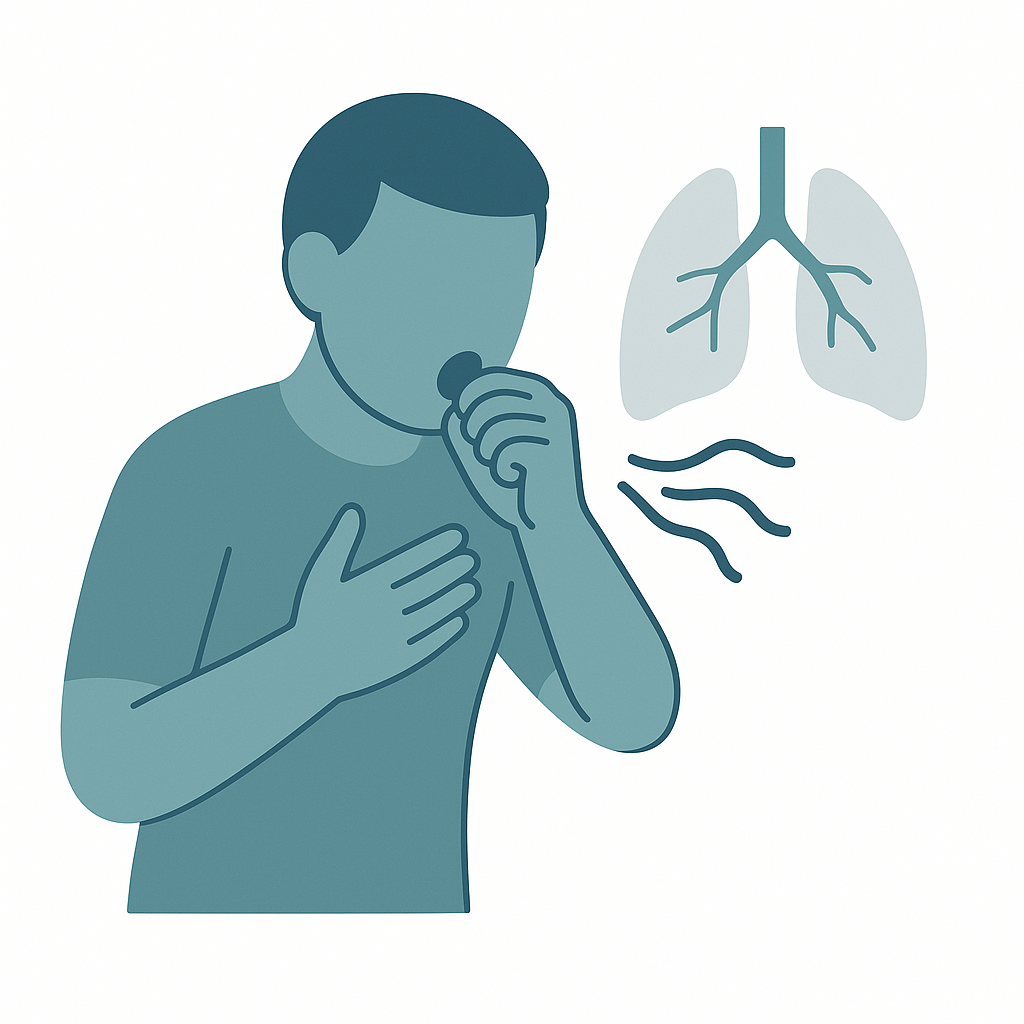
An asthma attack occurs when the airways tighten, swell, and fill with mucus, making it hard to breathe—a frightening experience that’s easier to manage when you know the signs and what to do. Understanding what happens during an asthma attack can help you stay calm and keep yourself or a loved one safe.
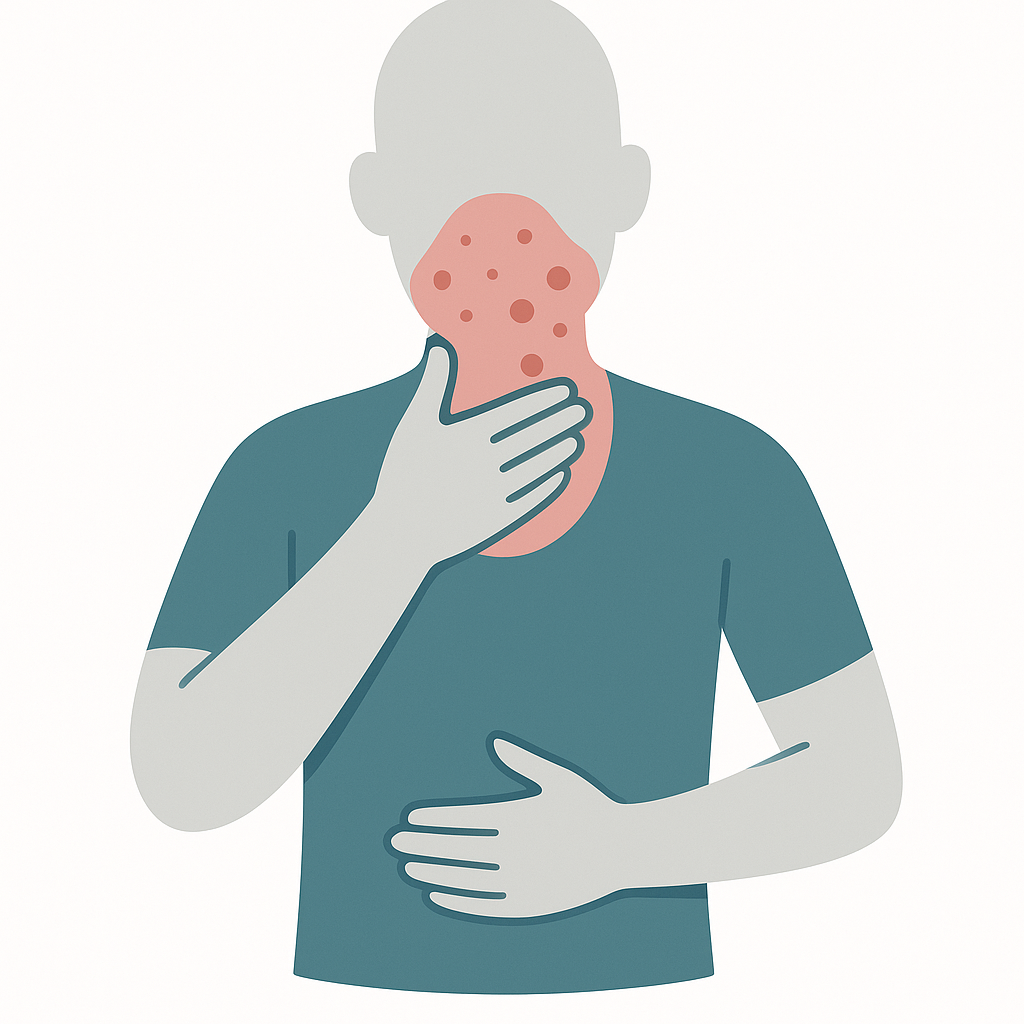
Anaphylaxis is a sudden, life-threatening allergic reaction that can happen to anyone and requires immediate attention. Recognizing the signs early and knowing how to respond can save lives in these critical moments.
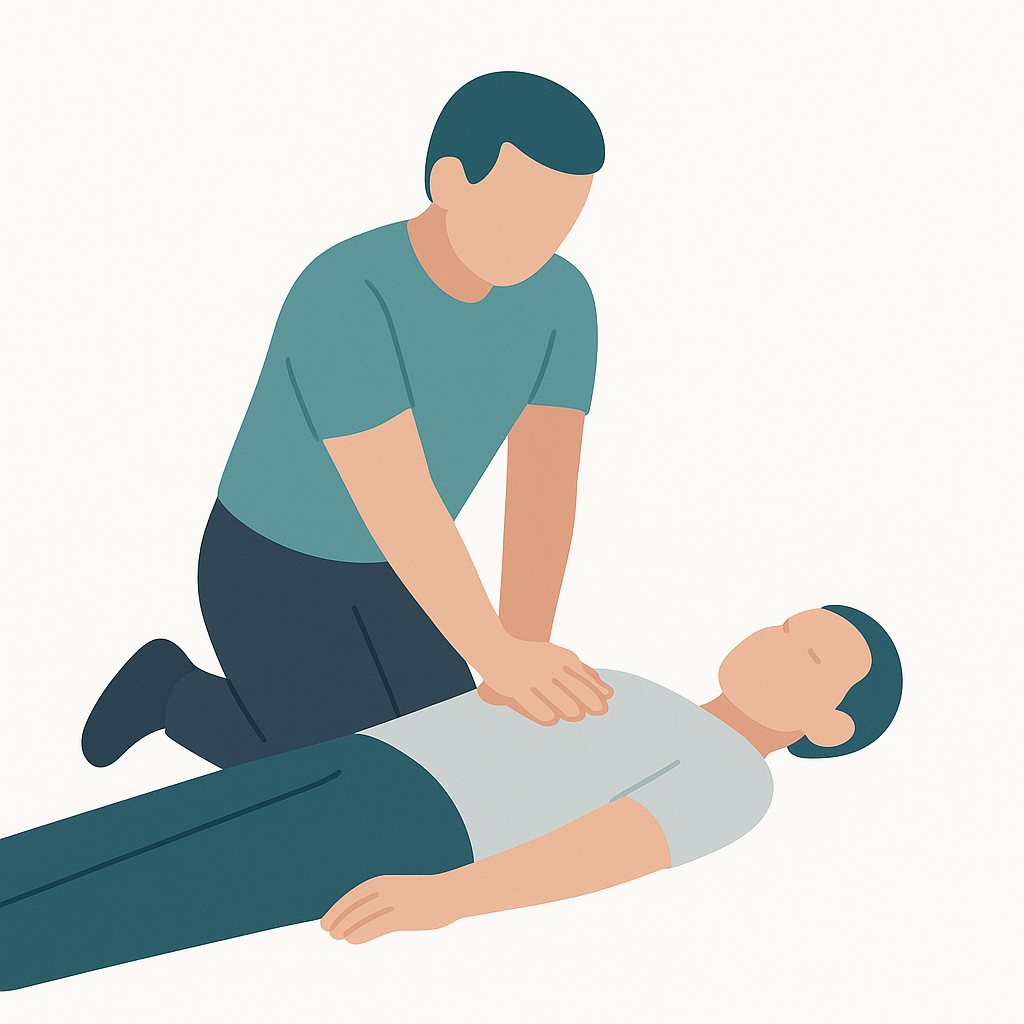
Knowing the simple DRSABCD steps can make all the difference in an emergency, guiding you through critical actions like checking for danger, calling for help, and providing lifesaving first aid with confidence.
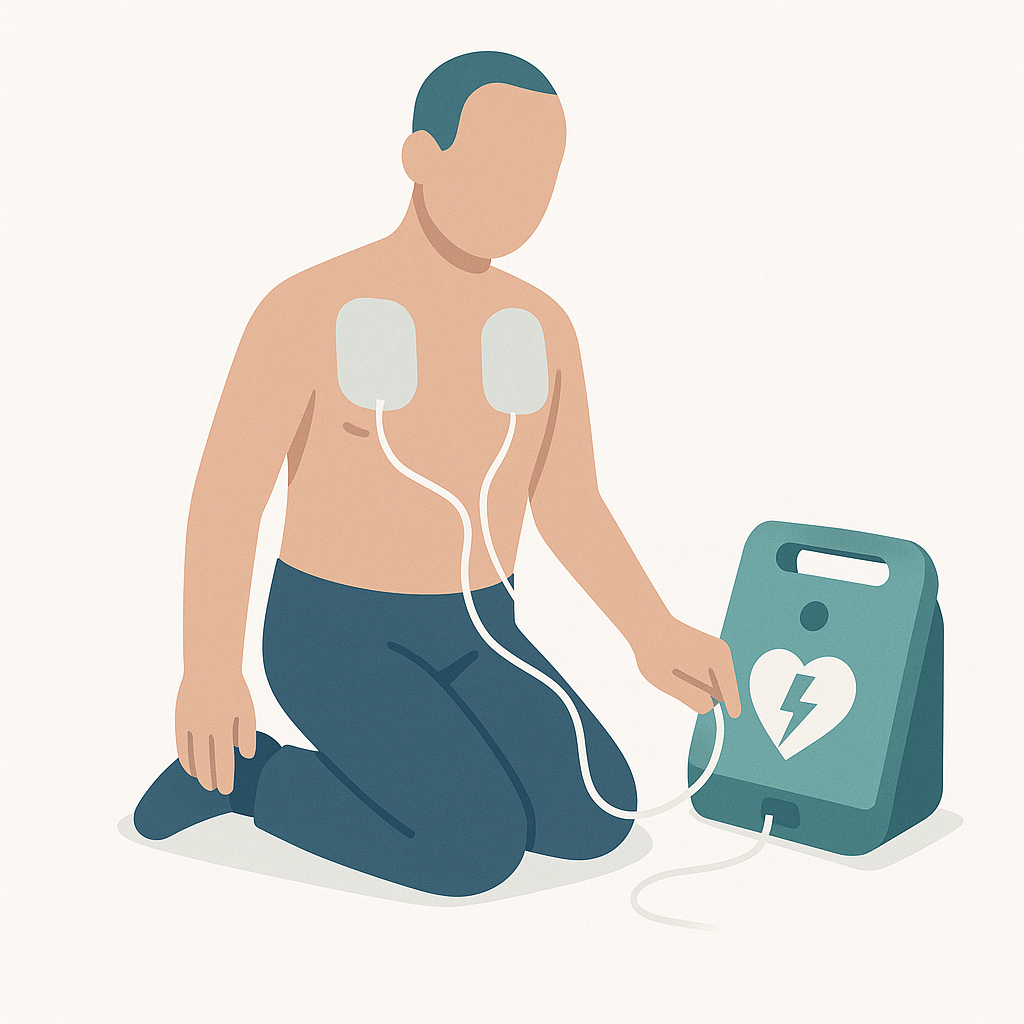
An automated external defibrillator (AED) is a lifesaving device that’s easy to use and crucial during a cardiac arrest. With simple voice prompts and quick shocks, an AED can help jumpstart the heart and give someone a second chance in an emergency.
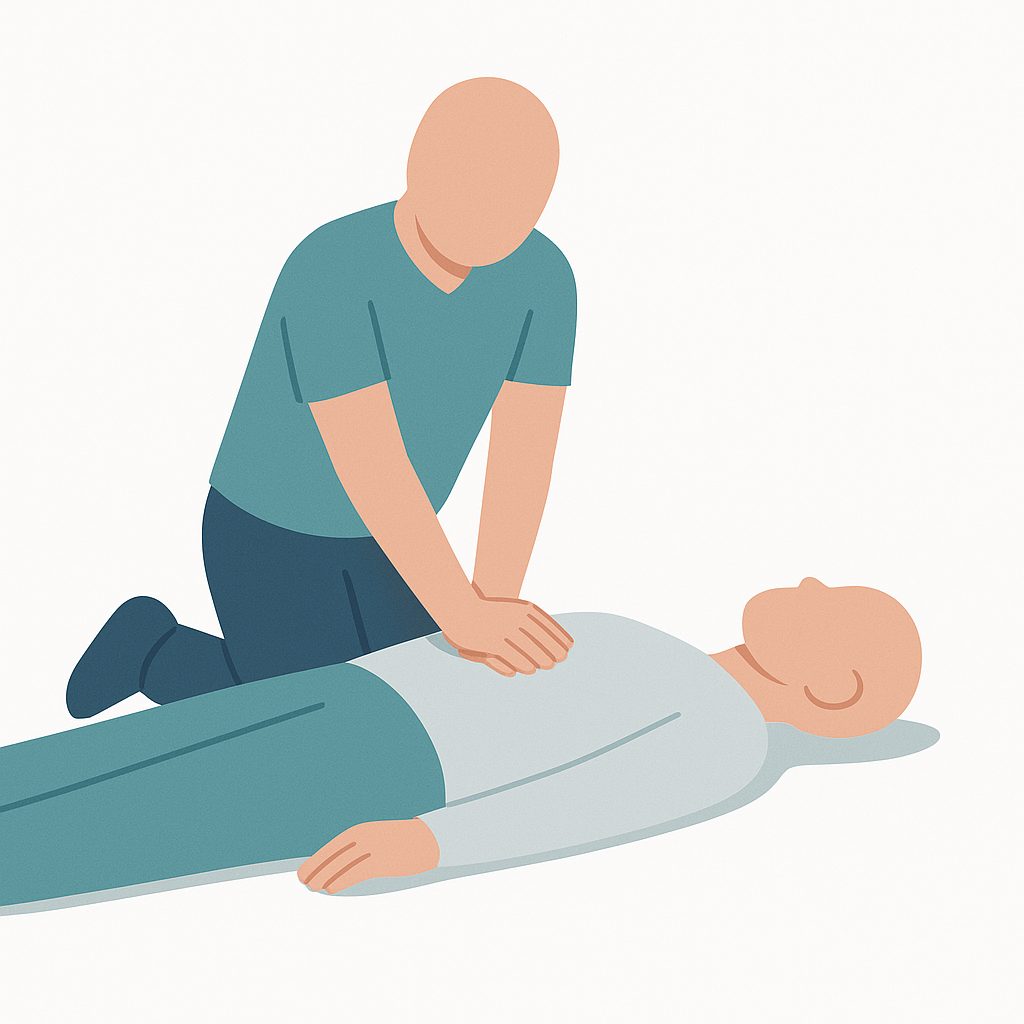
CPR is a lifesaving technique that keeps blood and oxygen flowing when someone’s heart stops or they stop breathing, giving them a fighting chance until emergency help arrives. Learning CPR means you can be ready to make a real difference in a critical moment.