Head Injury
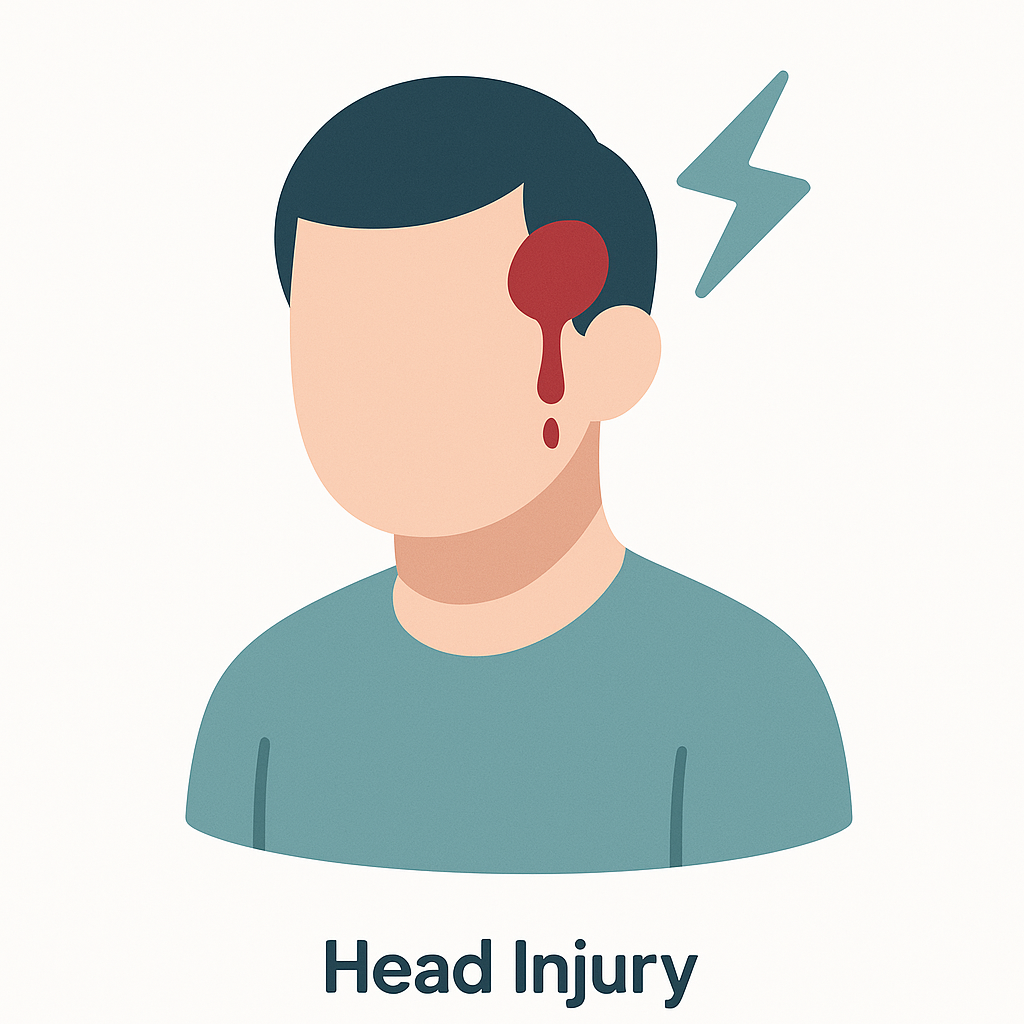
A head injury can happen anytime the head takes a hit, and while some bumps seem minor, others can affect the brain in serious ways—knowing the signs and when to seek help can make all the difference.


A head injury can happen anytime the head takes a hit, and while some bumps seem minor, others can affect the brain in serious ways—knowing the signs and when to seek help can make all the difference.
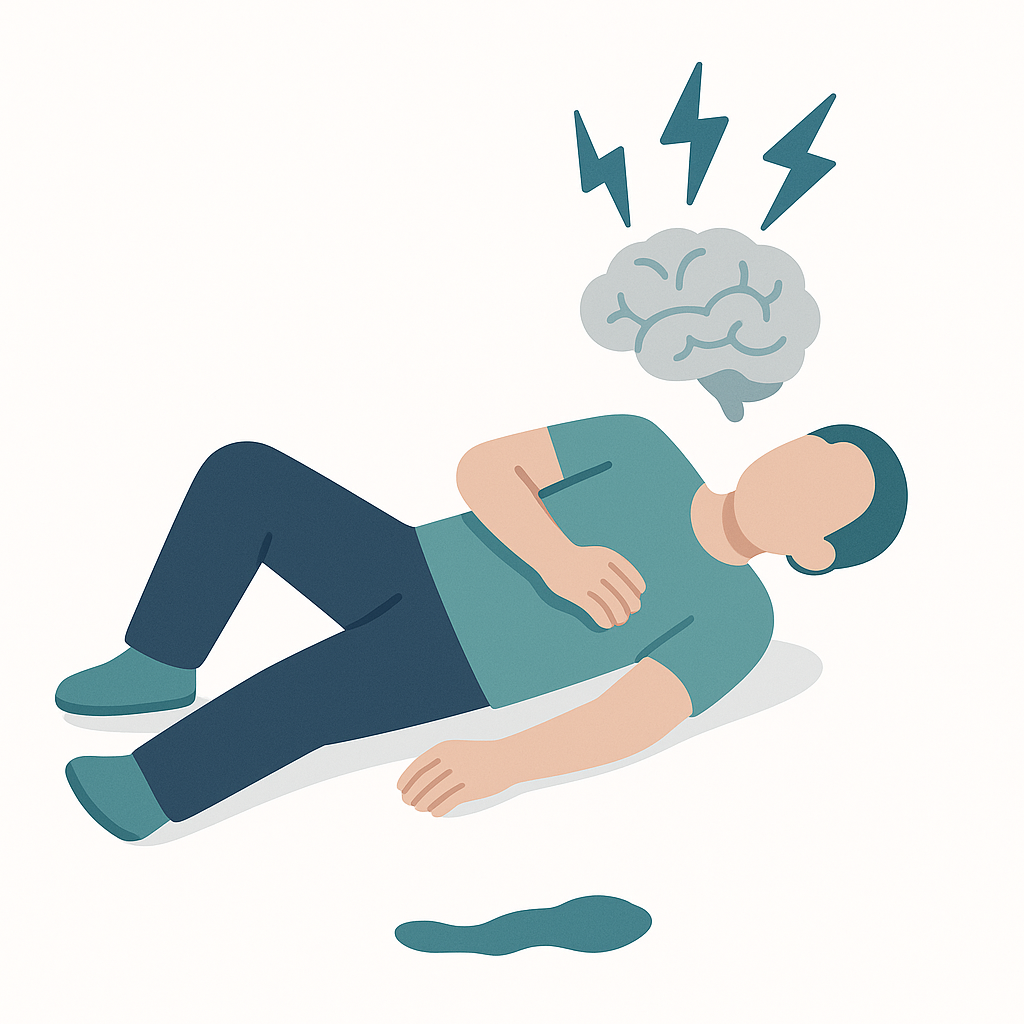
Epilepsy is a brain condition that causes seizures, which can look very different from person to person. Knowing how to stay calm and keep someone safe during a seizure is key to providing effective first aid.
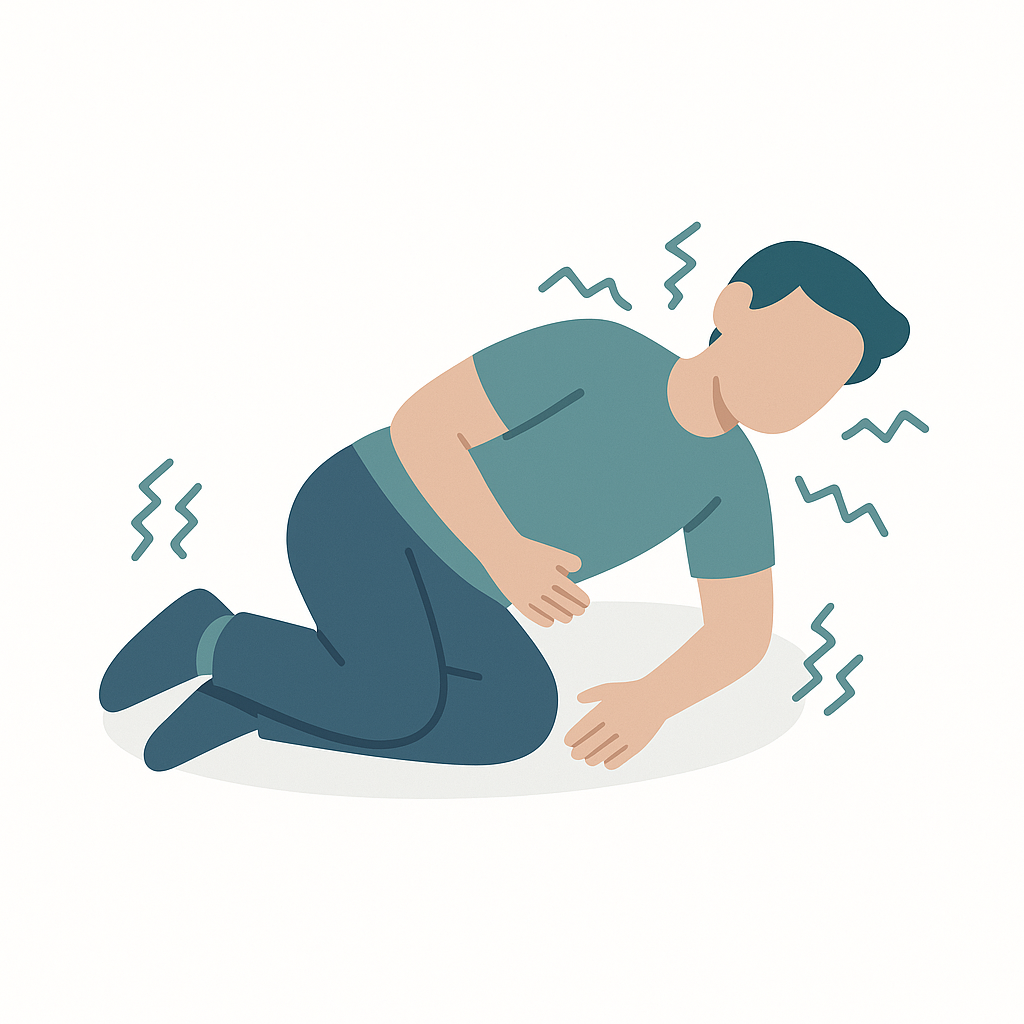
A seizure happens when the brain suddenly sends out a burst of electrical activity, causing unexpected movements or confusion. Knowing how to recognize a seizure and what to do can make all the difference in keeping someone safe.
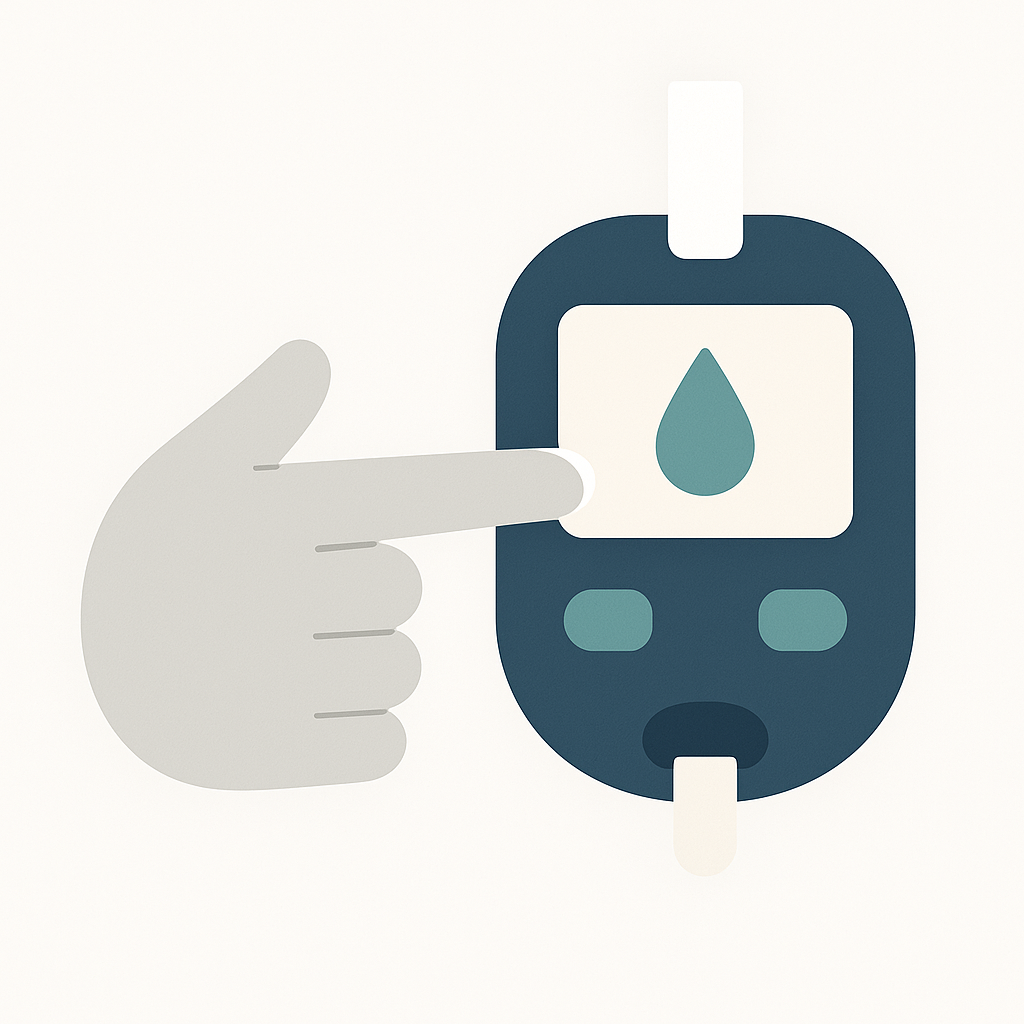
Hyperglycaemia happens when there’s too much sugar in the blood, which can sneak up on you without obvious symptoms but lead to serious health issues if left unchecked. Understanding hyperglycaemia is key to keeping your body balanced and feeling your best.
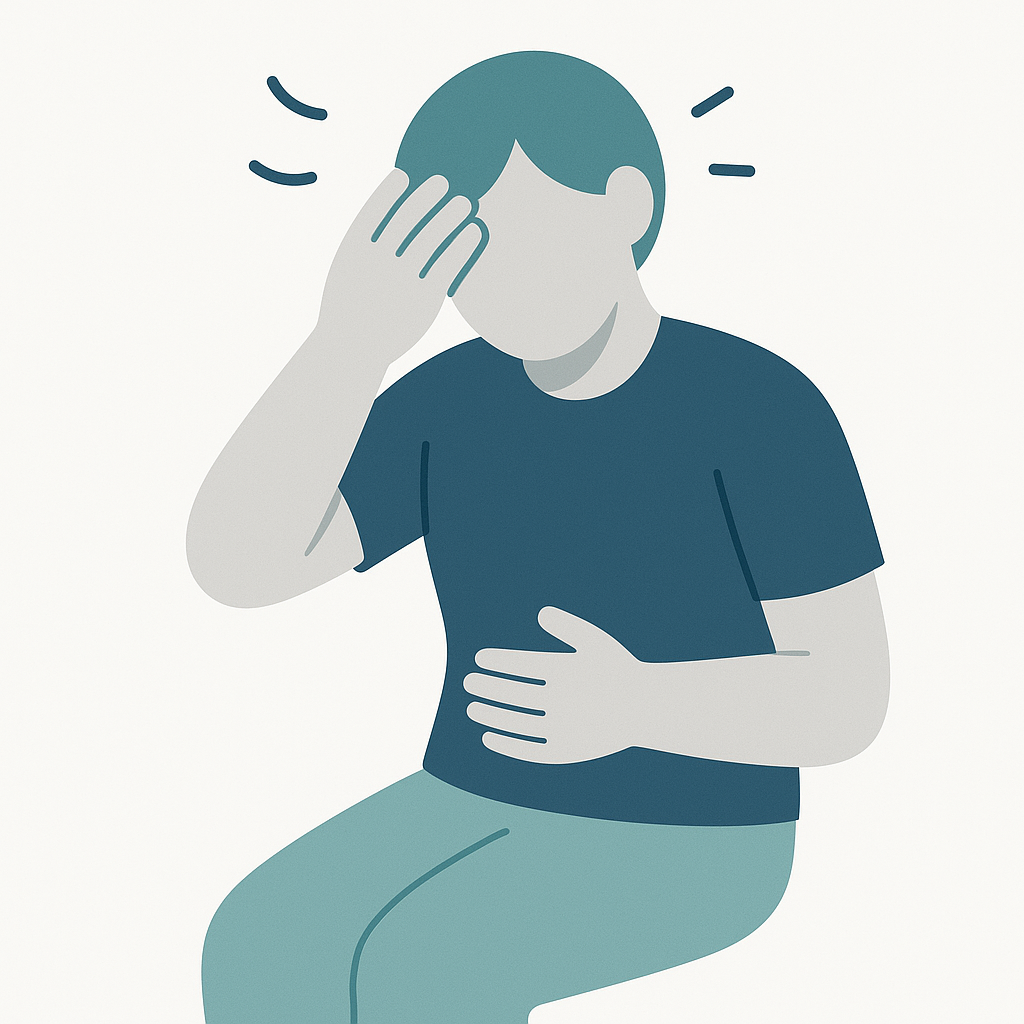
Hypoglycaemia happens when your blood sugar drops too low, making it hard for your body and brain to work properly. Recognizing the signs early and knowing how to give first aid can make all the difference in keeping someone safe.
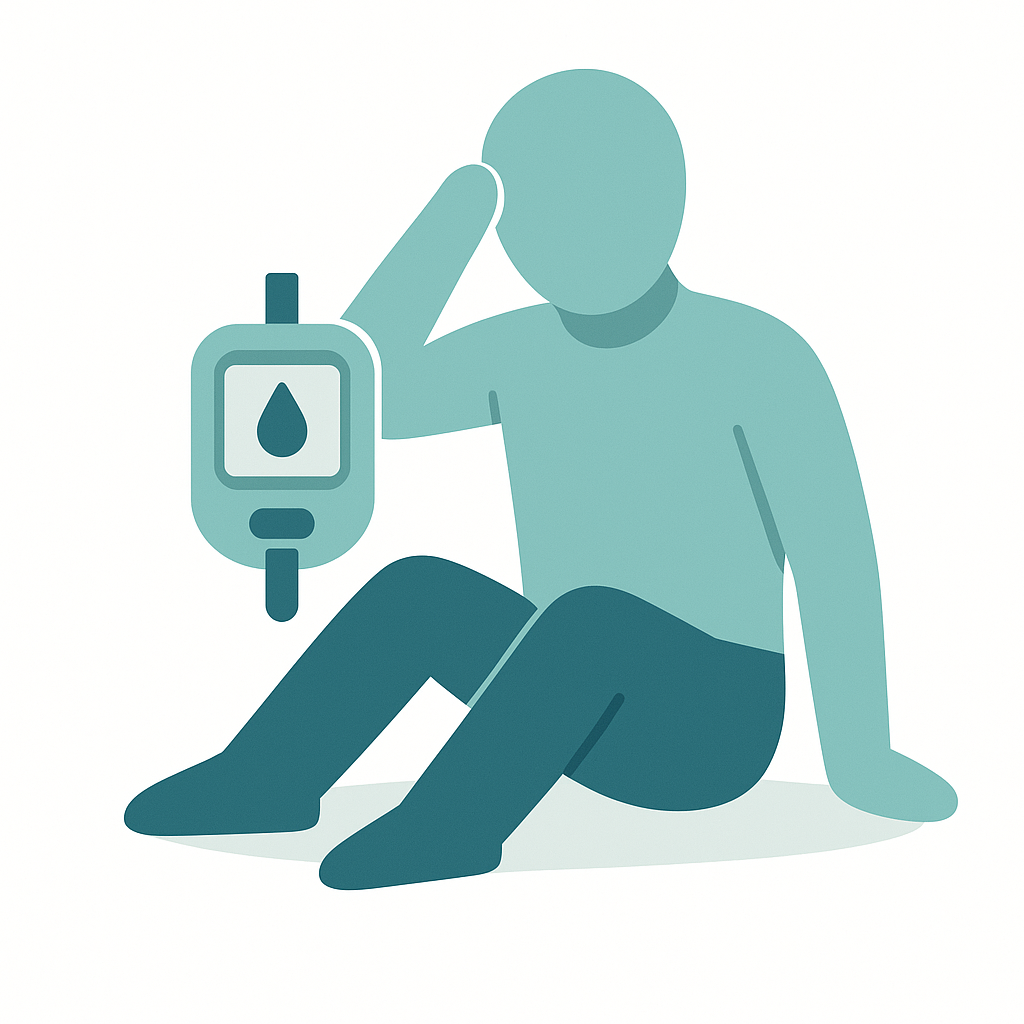
A diabetic emergency occurs when blood sugar levels become dangerously high or low, requiring fast action to prevent serious health risks. Knowing how to recognize and respond to these emergencies can make all the difference in saving a life.
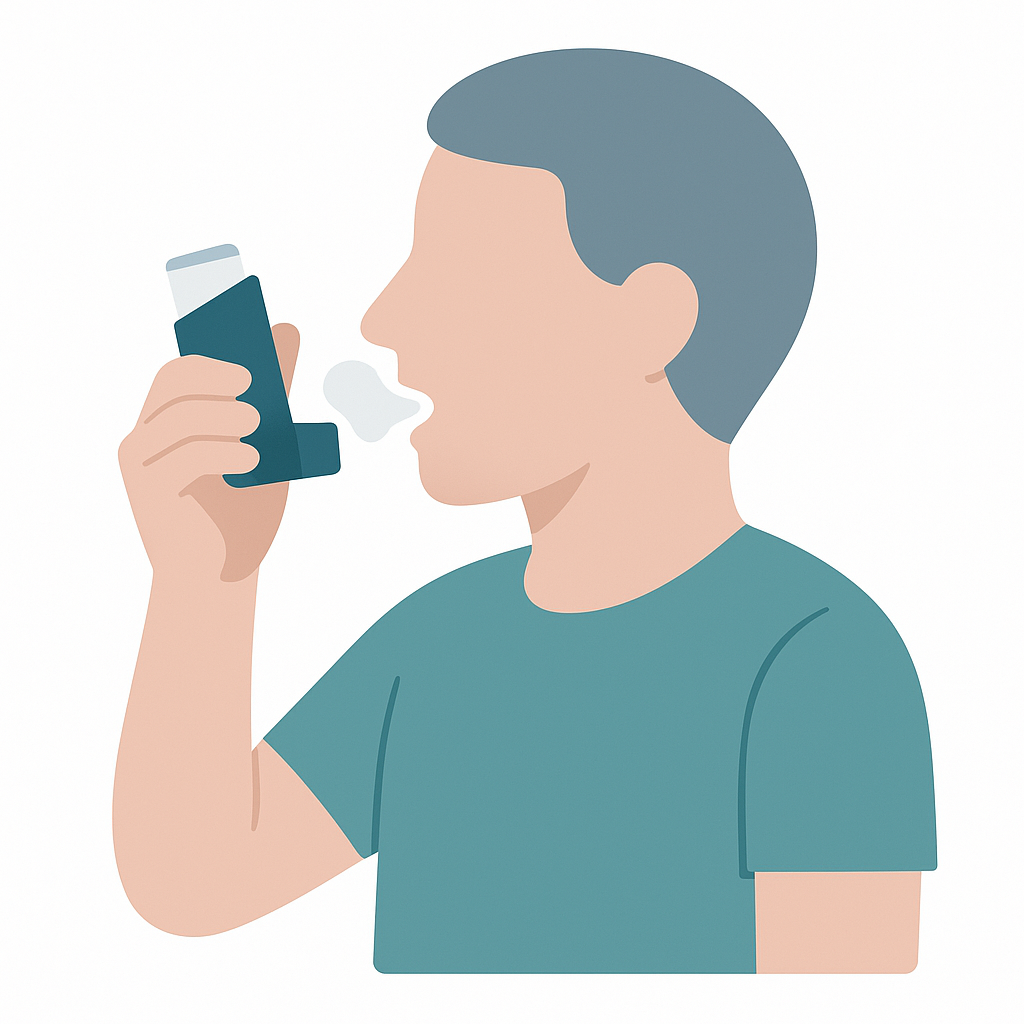
An asthma inhaler is a small but powerful device that helps open up tight airways, making it easier to breathe during an asthma attack. In emergencies, this quick-relief tool can be a lifesaver, providing fast aid when every breath counts.
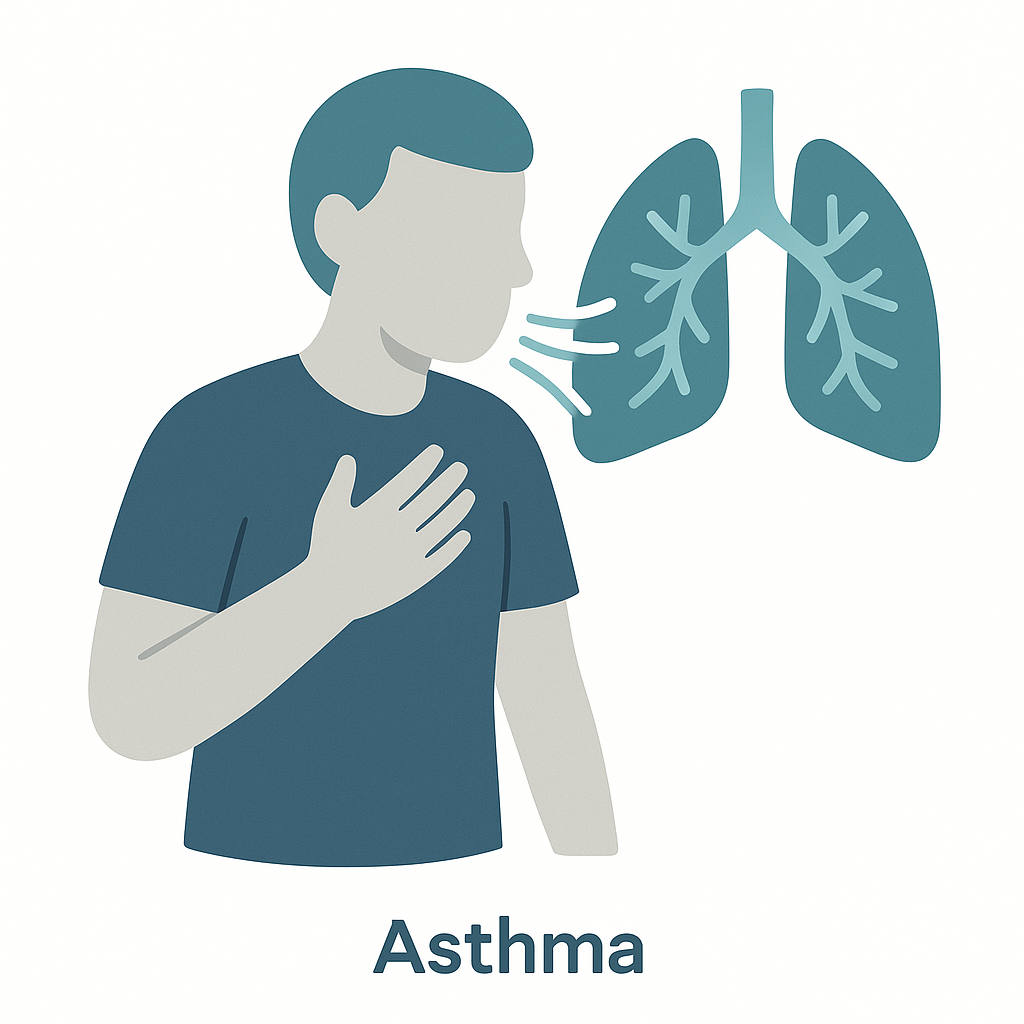
Asthma affects the lungs by narrowing the airways, making it hard to breathe during an asthma attack. Understanding these symptoms and how to respond can help keep those with asthma safe and calm until help arrives.
An EpiPen is a lifesaving device that delivers a quick dose of adrenaline to stop severe allergic reactions, making it an essential tool for anyone at risk of anaphylaxis. Easy to carry and simple to use, it can be the crucial first aid step that saves a life in an emergency.
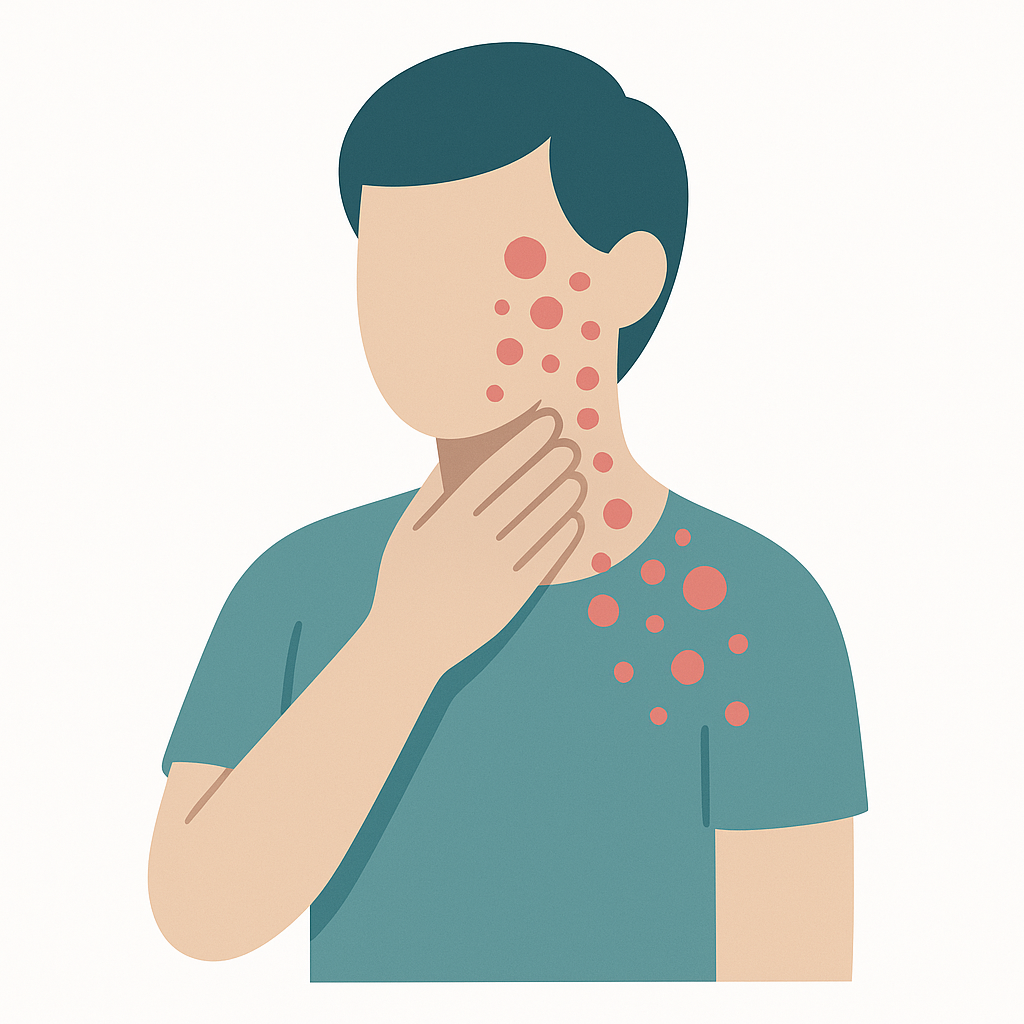
An allergic reaction happens when your body overreacts to something harmless, like pollen or certain foods, causing symptoms that can range from a mild rash to serious breathing problems. Knowing how to spot and respond to an allergic reaction can be lifesaving.