Consent

Consent in first aid explained: ask before touching an alert person, explain what you want to do, respect refusal, involve parents or carers and act in an emergency within your training.


Consent in first aid explained: ask before touching an alert person, explain what you want to do, respect refusal, involve parents or carers and act in an emergency within your training.
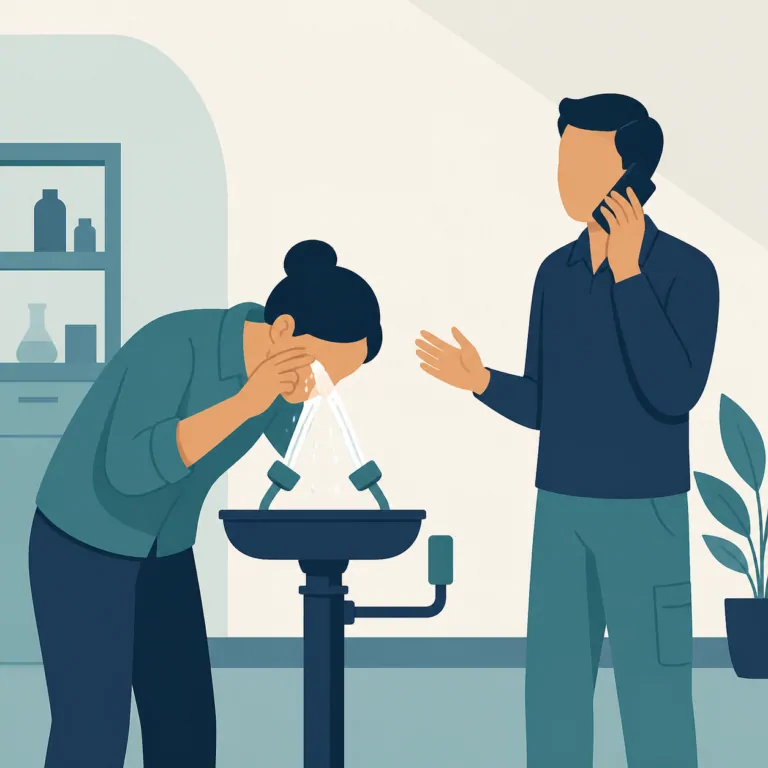
Chemical splash in the eye first aid: immediately rinse with clean running water, keep the unaffected eye protected, call 000 or seek emergency care and bring product details.
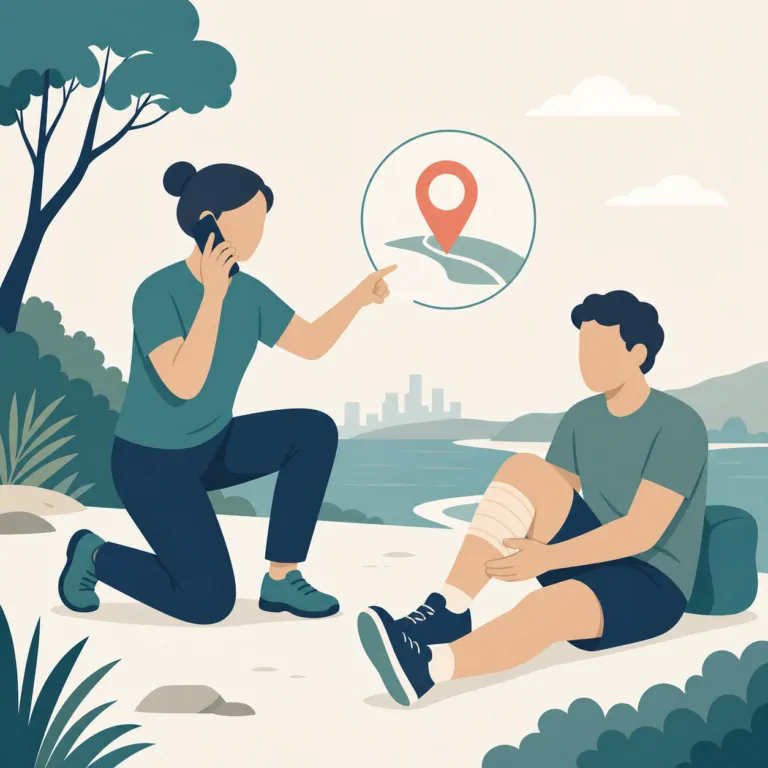
Learn when to call Triple Zero (000), how to state police, fire or ambulance, give a precise location, answer the operator’s questions and help safely while waiting.
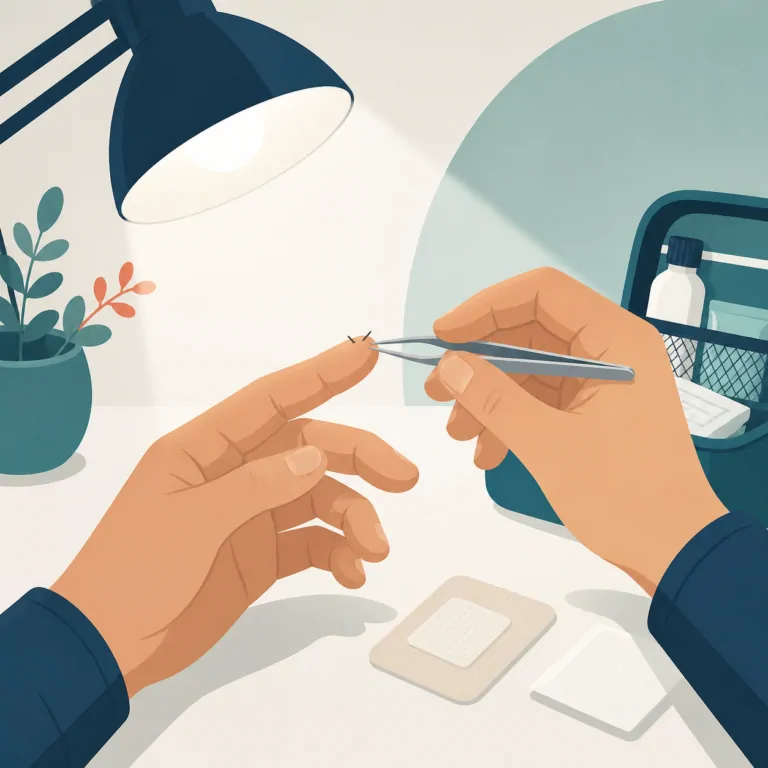
Practical blister first aid for walking, sport and work: protect intact skin, reduce friction, clean broken blisters and recognise signs that need medical care.

Antiseptic in first aid explained: clean a minor wound with water first, use products only as directed, avoid harsh home remedies and know when a cut needs professional assessment.
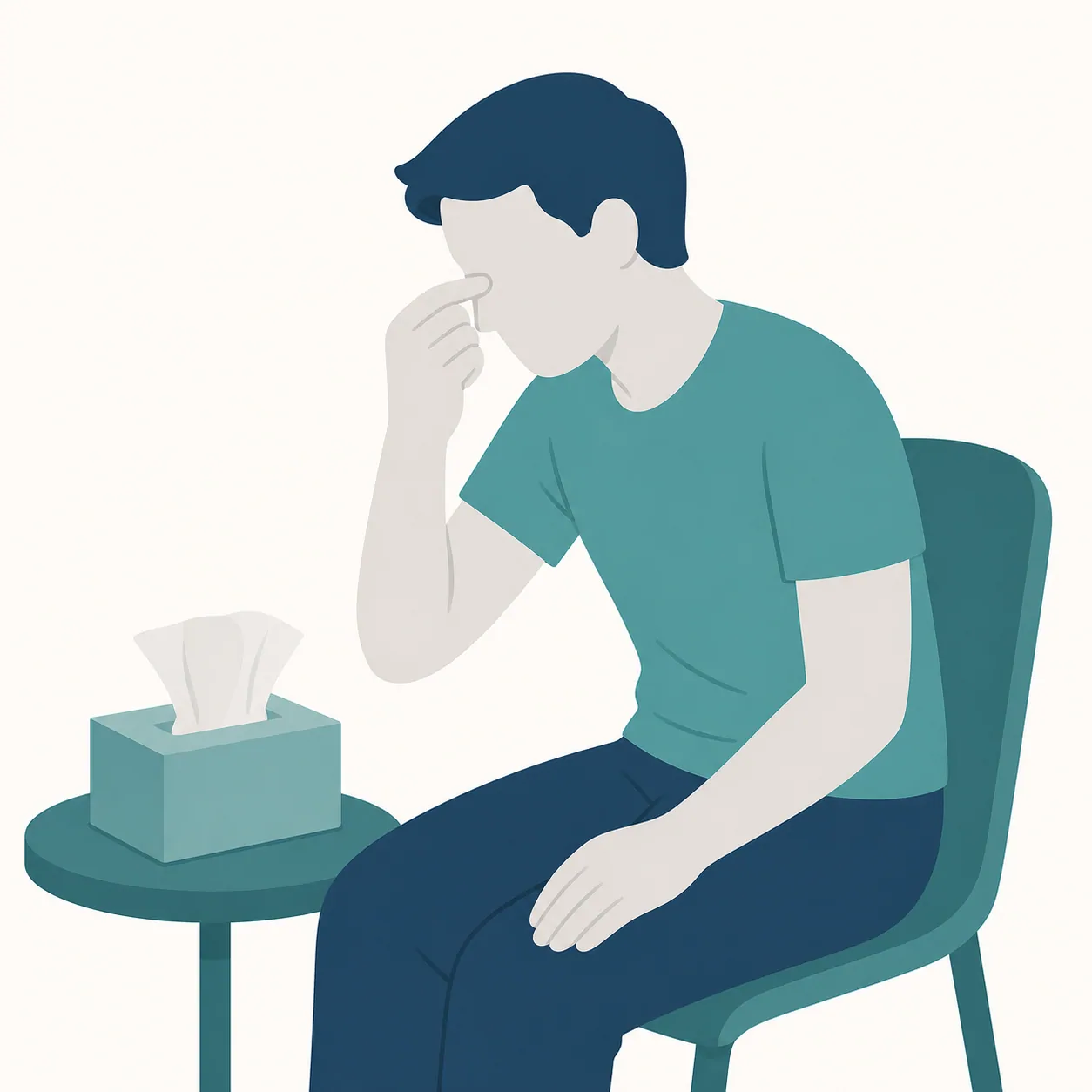
Learn nosebleed first aid: sit up, lean forward, pinch the soft part of the nose for 10 minutes and know when persistent or heavy bleeding needs urgent care.
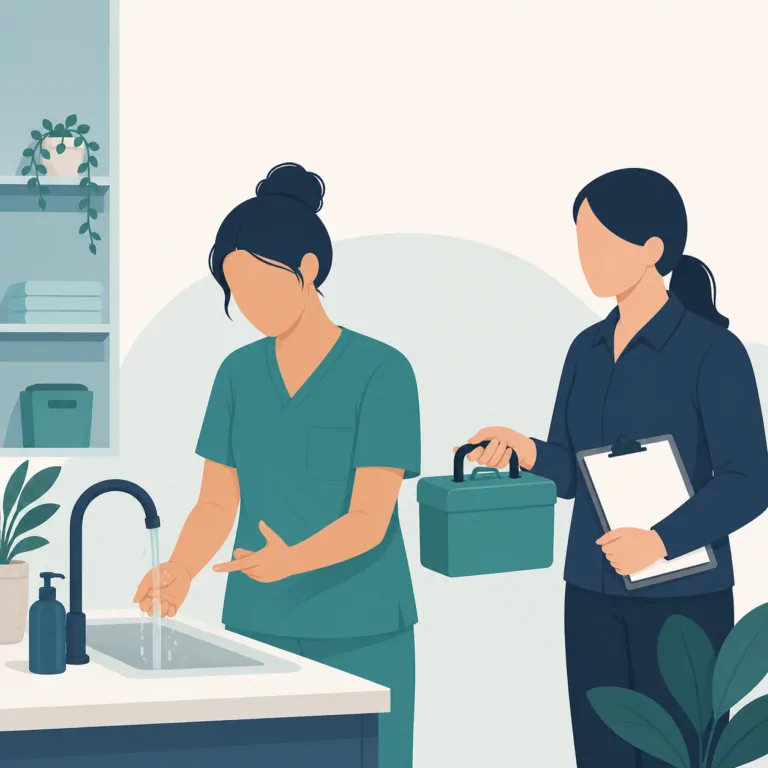
Needlestick injury first aid in Australia: wash the area with soap and water, do not squeeze or suck it, report the incident immediately and arrange urgent medical assessment.

Instant cold pack first aid explained: activate and wrap it safely, use brief periods for comfort, avoid direct skin contact and recognise when swelling, pain or deformity needs assessment.

Learn what a first aid incident report should record: facts, time, location, treatment, witnesses, escalation and follow-up—while protecting privacy and avoiding blame.

Personal protective equipment in first aid explained: choose gloves, eye protection, masks and protective clothing for the actual risk, use PPE correctly and never treat it as a substitute for safer controls.