Wound Care
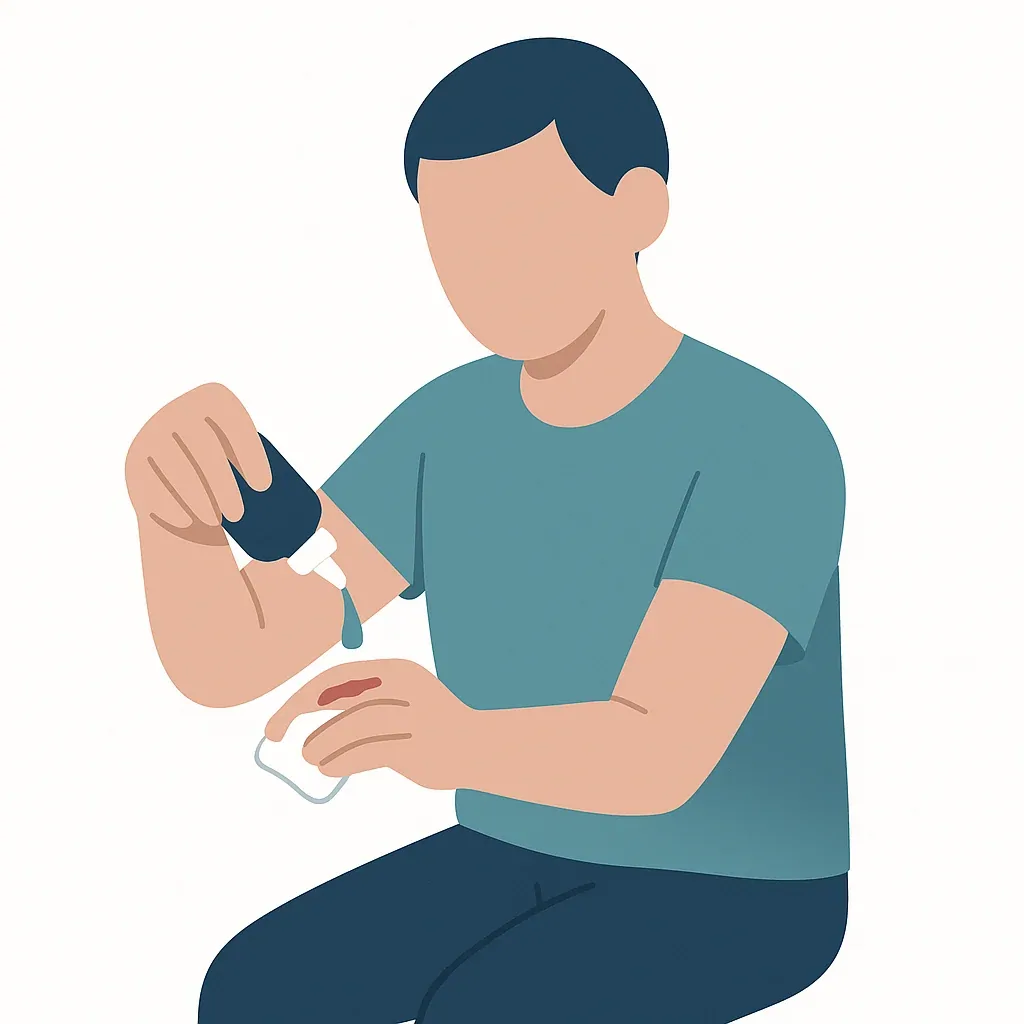
Proper wound care is essential to help cuts and scrapes heal quickly while preventing infection. By knowing a few simple steps, you can protect your skin and support your body’s natural healing process.


Proper wound care is essential to help cuts and scrapes heal quickly while preventing infection. By knowing a few simple steps, you can protect your skin and support your body’s natural healing process.
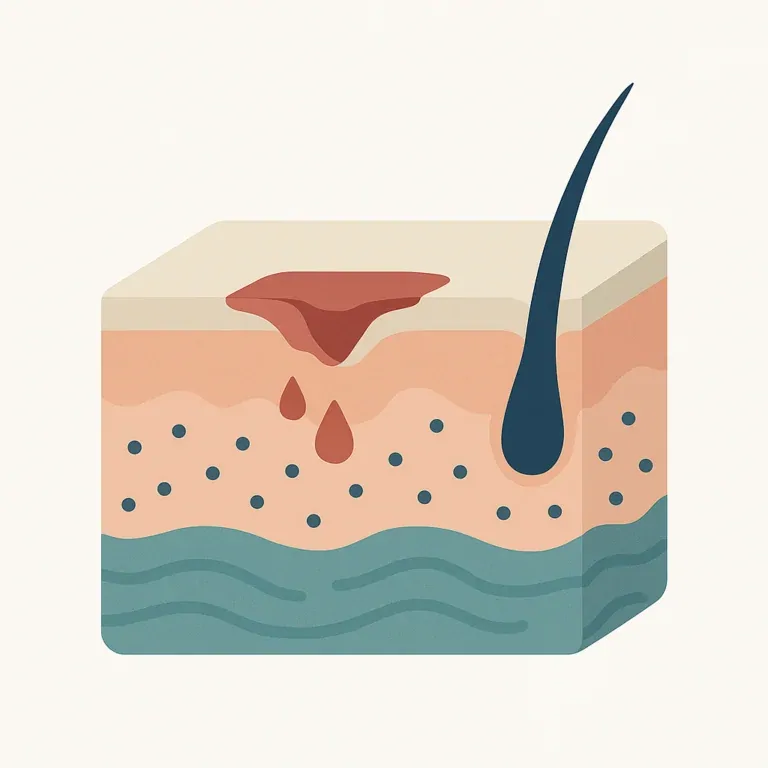
Skin integrity is your bodys natural shield, keeping you protected from germs and injury by maintaining healthy, unbroken skin. By understanding and caring for skin integrity, you can help prevent infections and support faster healing whenever skin is damaged.
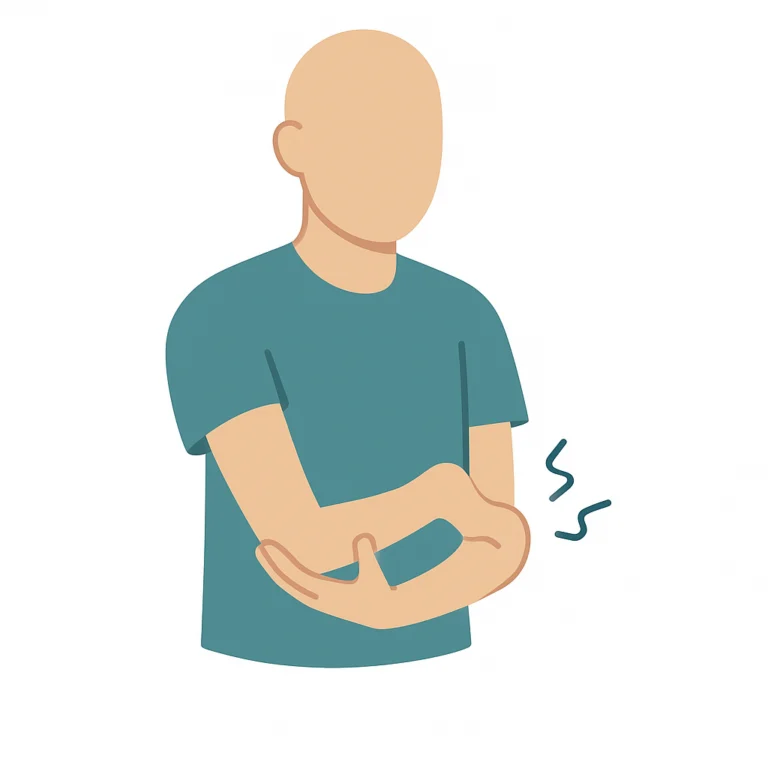
An obvious deformity is a clear sign that a bone or joint is out of place, often from a fall or injury, and recognizing it is crucial in first aid to ensure proper care and prevent further harm. Spotting this visible damage can make all the difference in helping someone get the right treatment quickly.

A contusion, commonly known as a bruise, happens when tiny blood vessels break under the skin after a bump or fall, creating that familiar colorful patch. Understanding contusions is key in first aid because while most bruises heal on their own, some might signal a deeper injury needing attention.
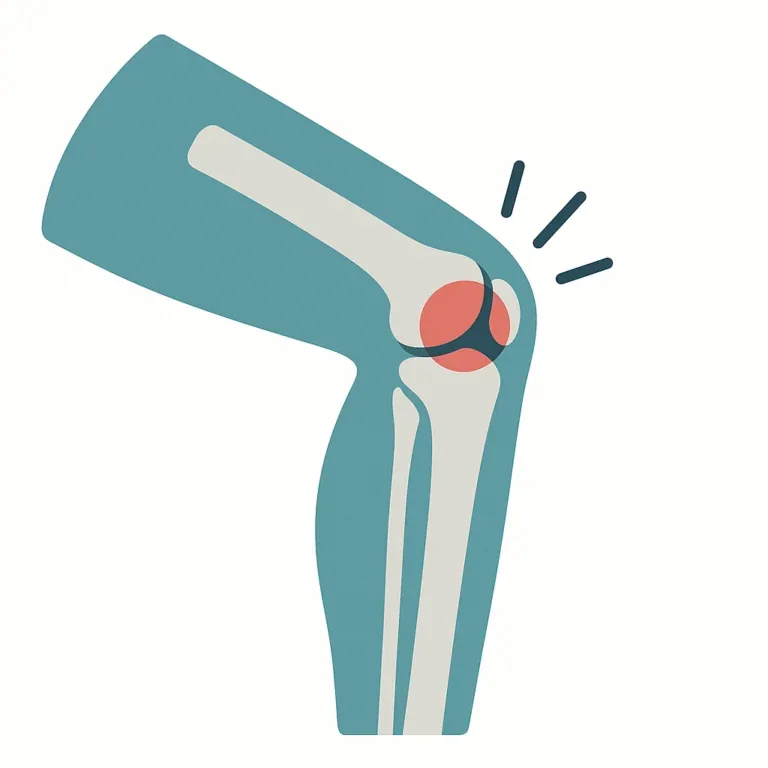
A joint injury can cause pain, swelling, and limit your movement, impacting everyday activities. Understanding how joints work and what happens when they’re injured helps you take better care and get the right treatment when needed.

A dislocation occurs when the bones in a joint are pushed out of their normal position, causing pain and limited movement. Understanding dislocations can help you recognize the signs and provide effective first aid until medical help arrives.
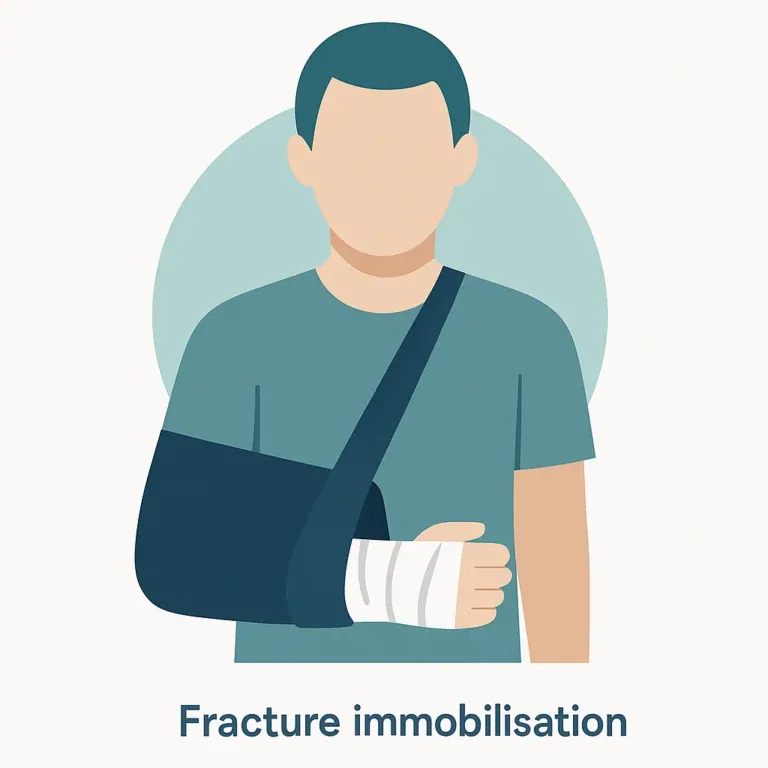
Fracture immobilisation is a crucial first aid step that helps keep broken bones stable, reducing pain and preventing further injury until medical help arrives. By carefully supporting the injured area with a splint or cushion, you can protect muscles, blood vessels, and nerves from damage and make a tough situation a little safer.
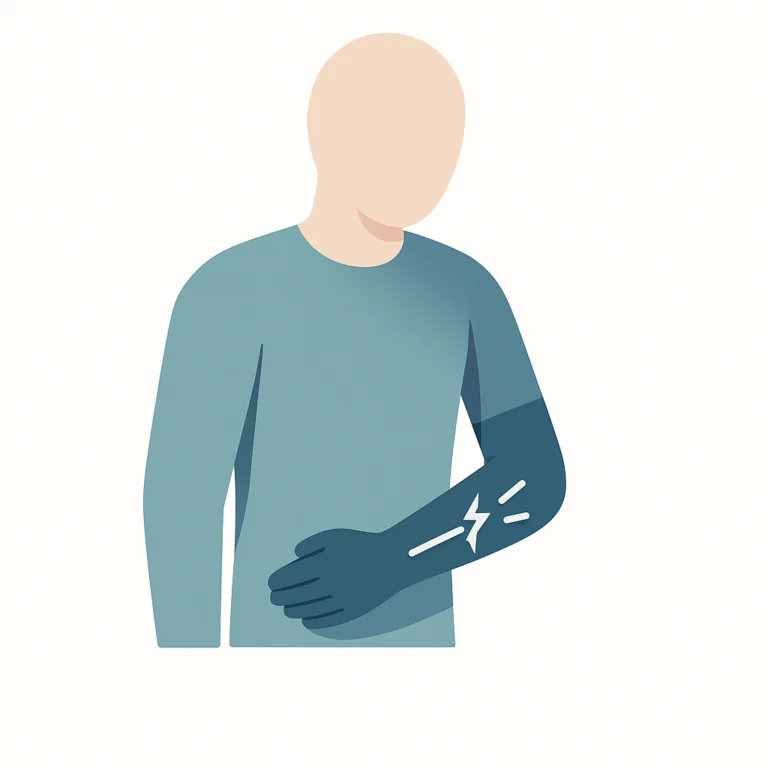
A closed fracture is a type of bone break where the skin stays intact, making it easier to prevent infection but still requiring prompt first aid to manage pain and avoid further damage. Recognizing the signs of a closed fracture can be crucial in providing timely care and helping the bone heal properly.
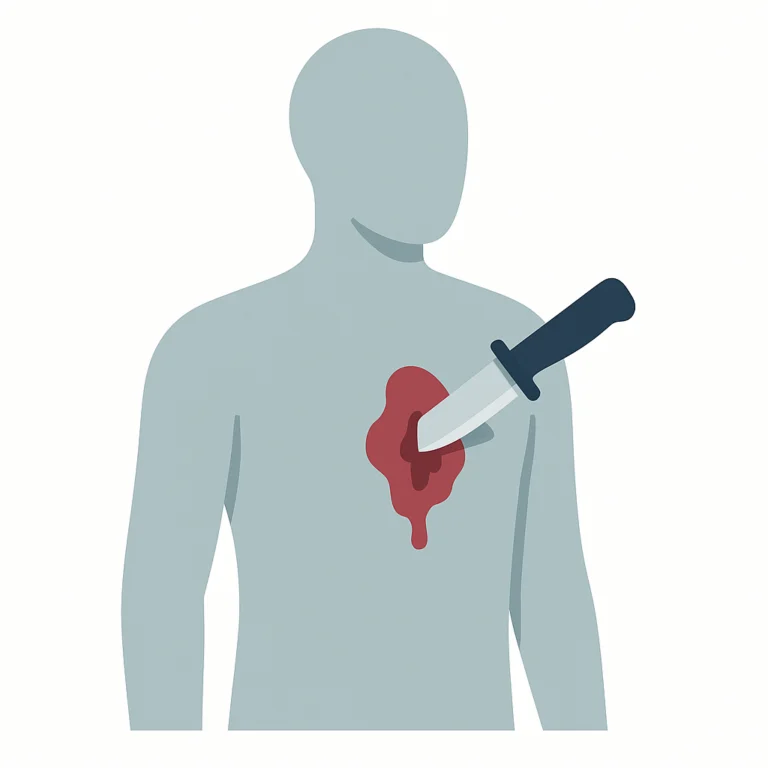
Penetrating trauma occurs when a sharp object pierces the skin, creating a deep wound that can damage vital organs and cause serious bleeding. Knowing how to respond calmly and safely is crucial to support the injured person until professional help arrives.
Impalement is a serious injury where a sharp object penetrates the body and stays inside, requiring careful first aid to prevent further harm. Knowing how to respond calmly and safely can make all the difference until professional help arrives.