admin

admin

Bleeding Control

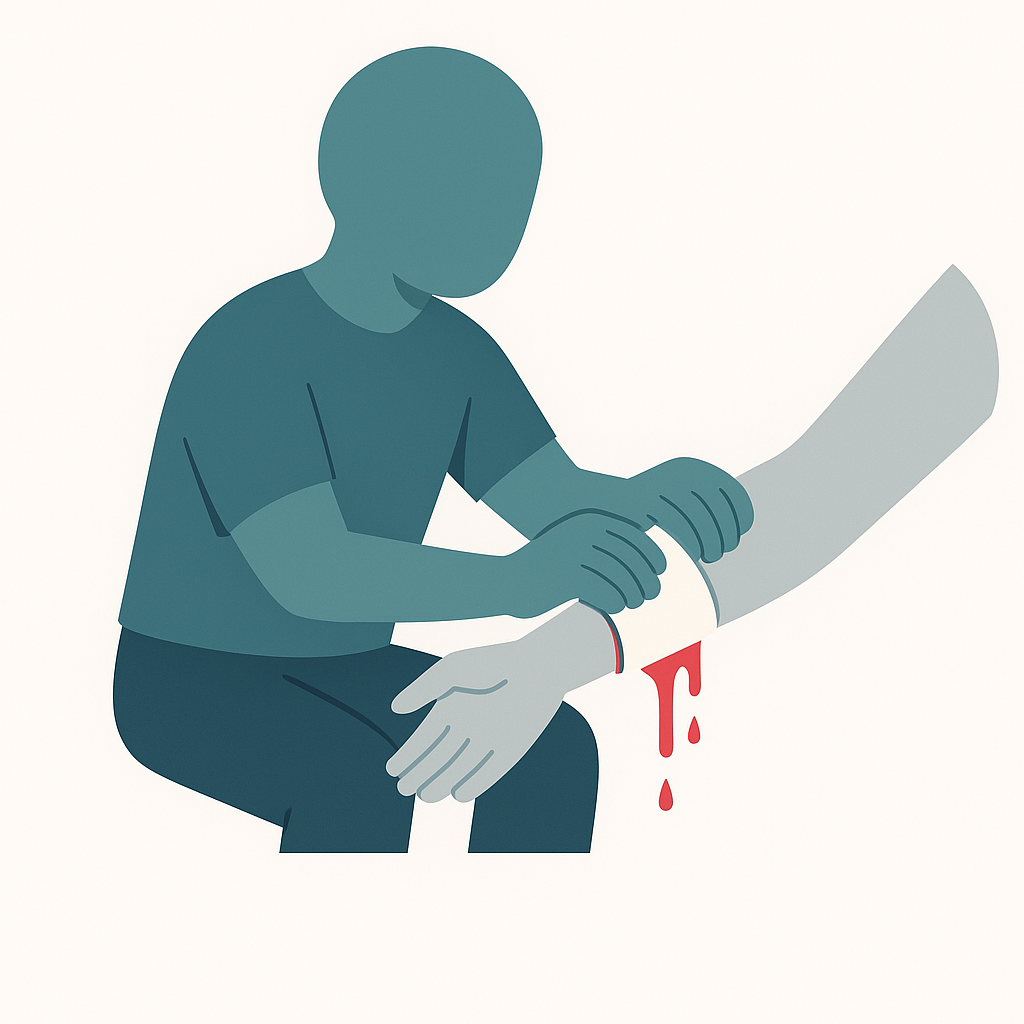
Illustration of Bleeding Control

Knowing how to effectively perform bleeding control can make all the difference in an emergency, helping to stop blood loss and keep someone safe until they get medical help. Quick action not only slows the bleeding but also prevents complications like shock and infection.
Choking

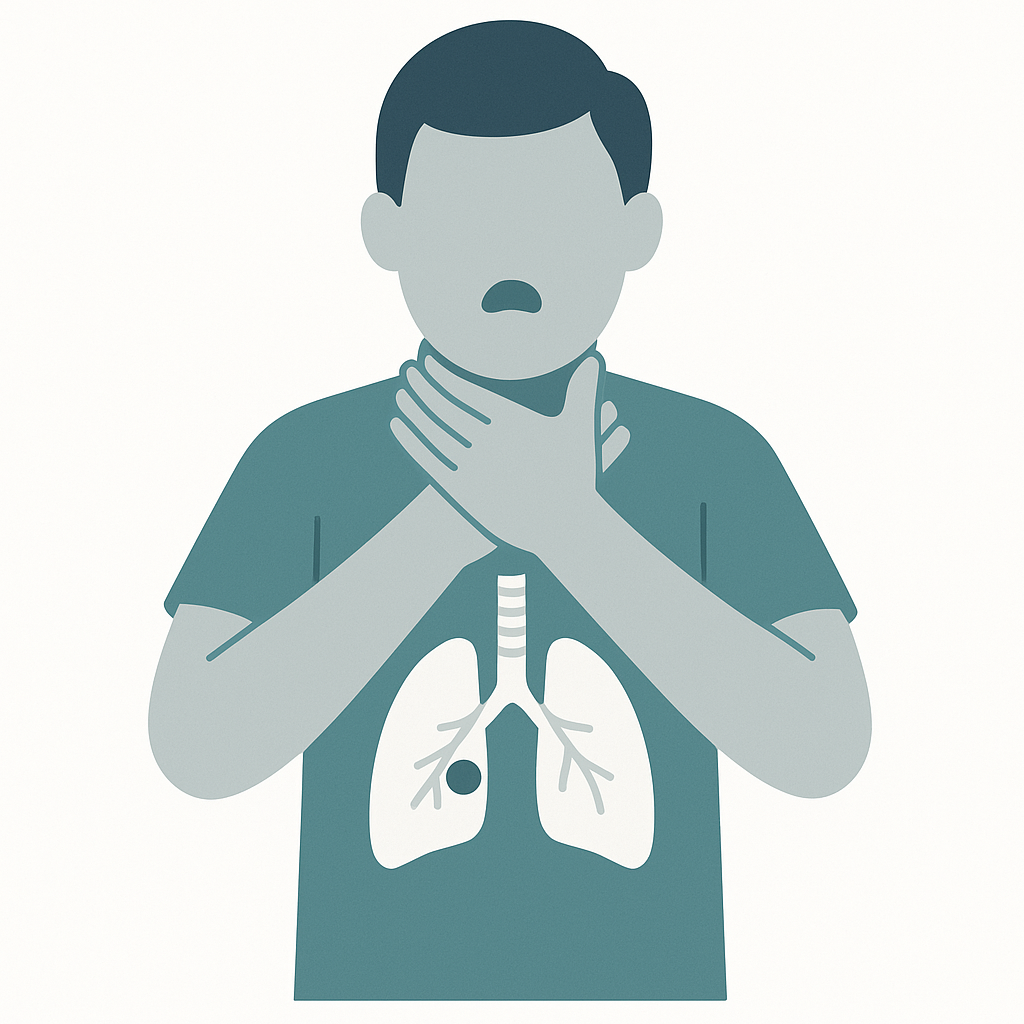
Illustration of Choking

Choking happens when something blocks the airway, making it hard or impossible to breathe—a scary situation that needs quick action. Knowing the signs of choking and how to respond can truly save a life.

Defibrillator

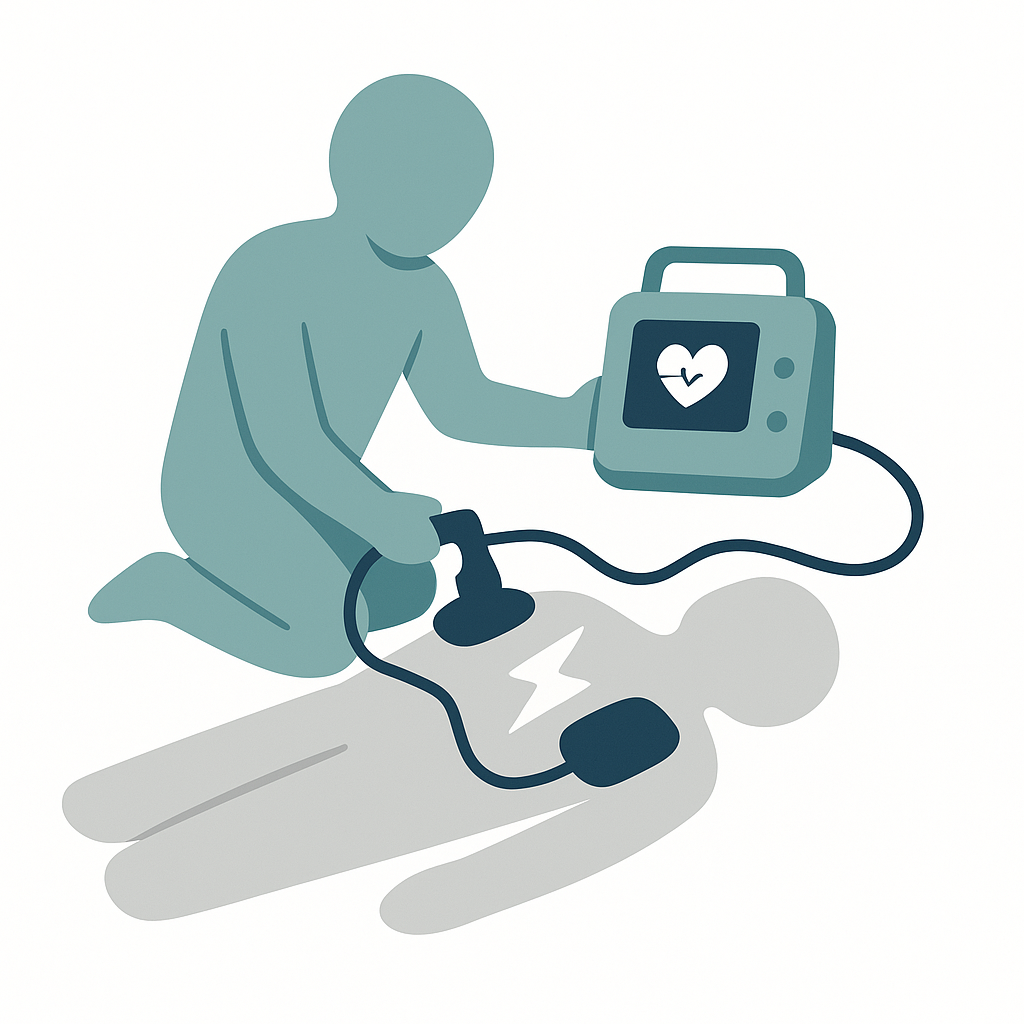
Illustration of Defibrillator

A defibrillator is a lifesaving device that delivers a quick electrical shock to restore a normal heartbeat during a heart emergency. Easily found in public places, it plays a crucial role in first aid by giving the heart a chance to start beating properly again.

Pulse

Illustration of Pulse

Feeling the pulse is a simple yet vital way to understand how the heart is working and can be a lifesaver in first aid emergencies. By checking the pulse, you get important clues about a person’s heart rate and overall health, helping guide the right steps to take next.

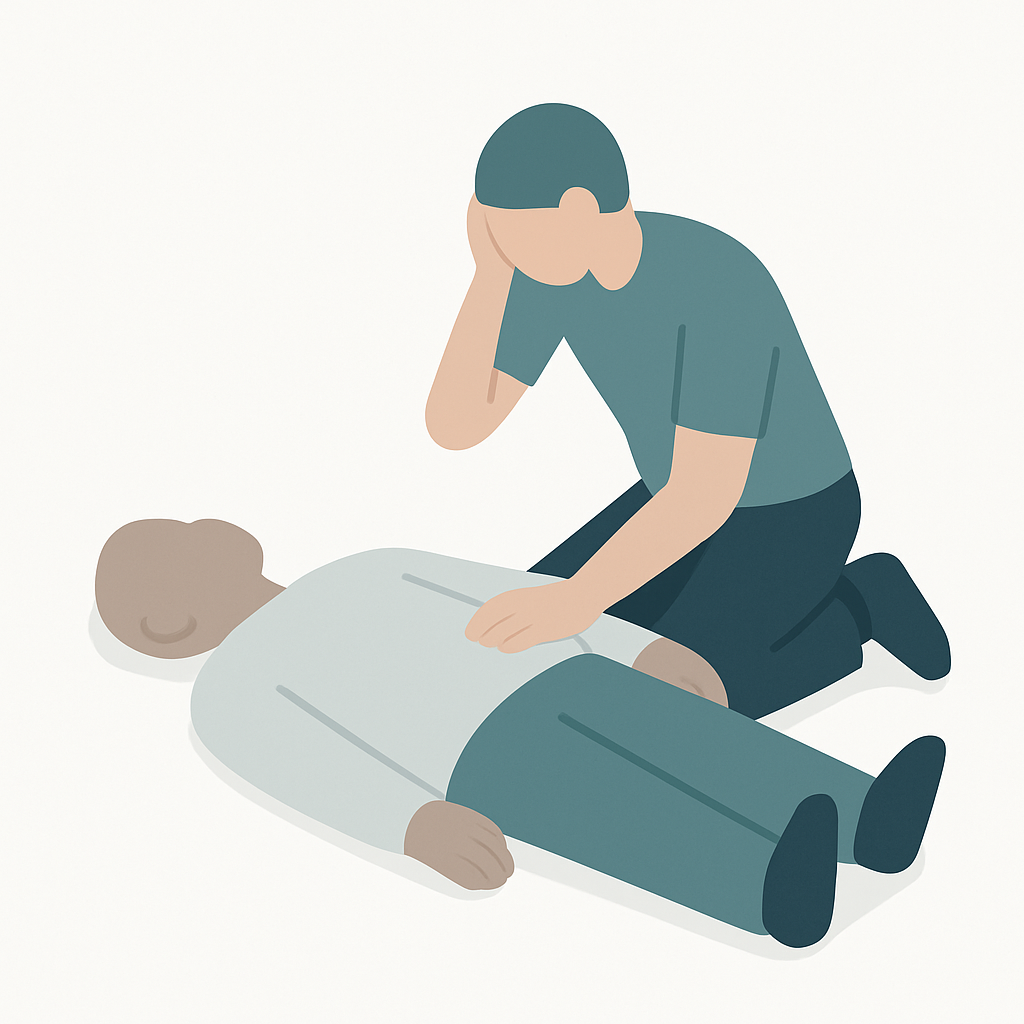
Unconscious

Illustration of Unconscious

Knowing how to recognize and respond when someone is unconscious can be a lifesaver—understanding the difference between unconsciousness and sleep is the first step to providing effective first aid and ensuring their safety until help arrives.

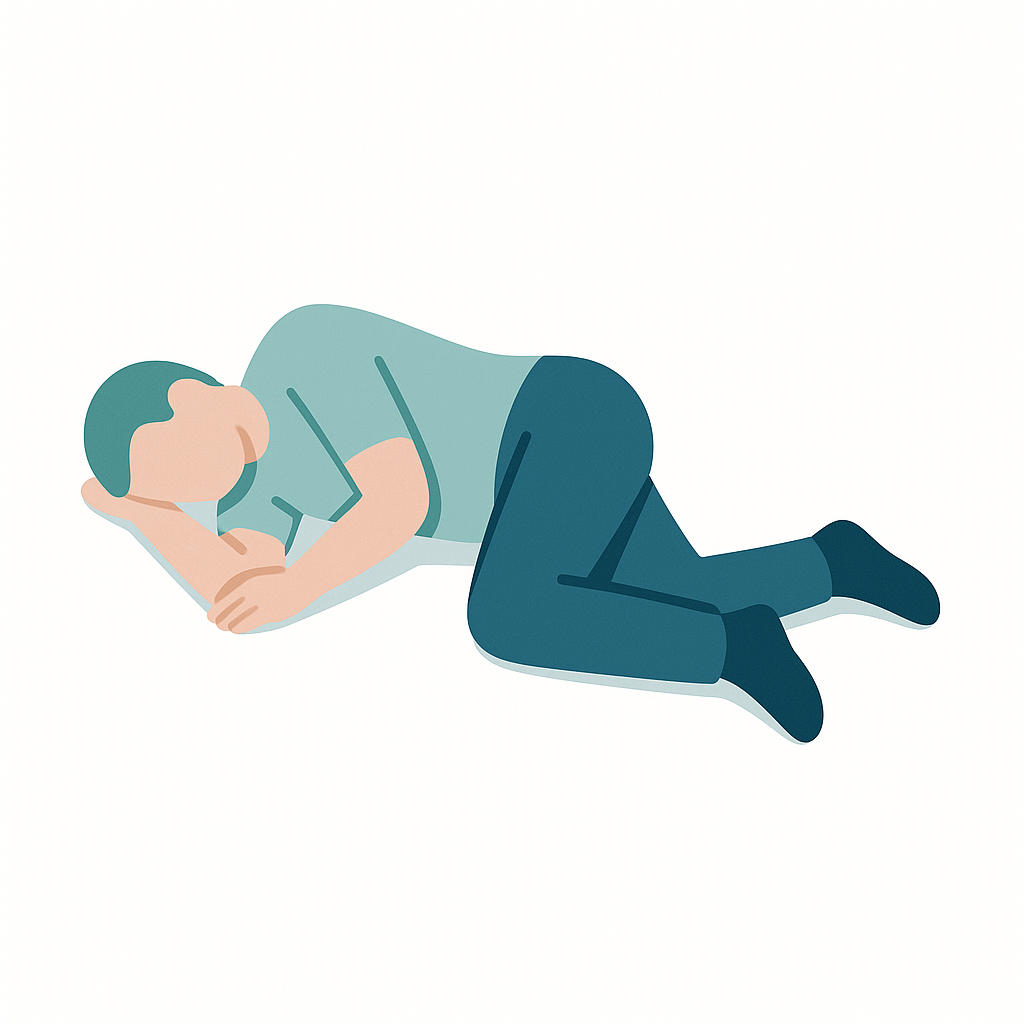
Recovery Position

Illustration of Recovery Position

Knowing how to place someone in the recovery position can be a lifesaver, as it keeps their airway open and reduces the risk of choking while waiting for emergency help to arrive. This simple first aid step ensures that an unconscious but breathing person stays safe and comfortable.

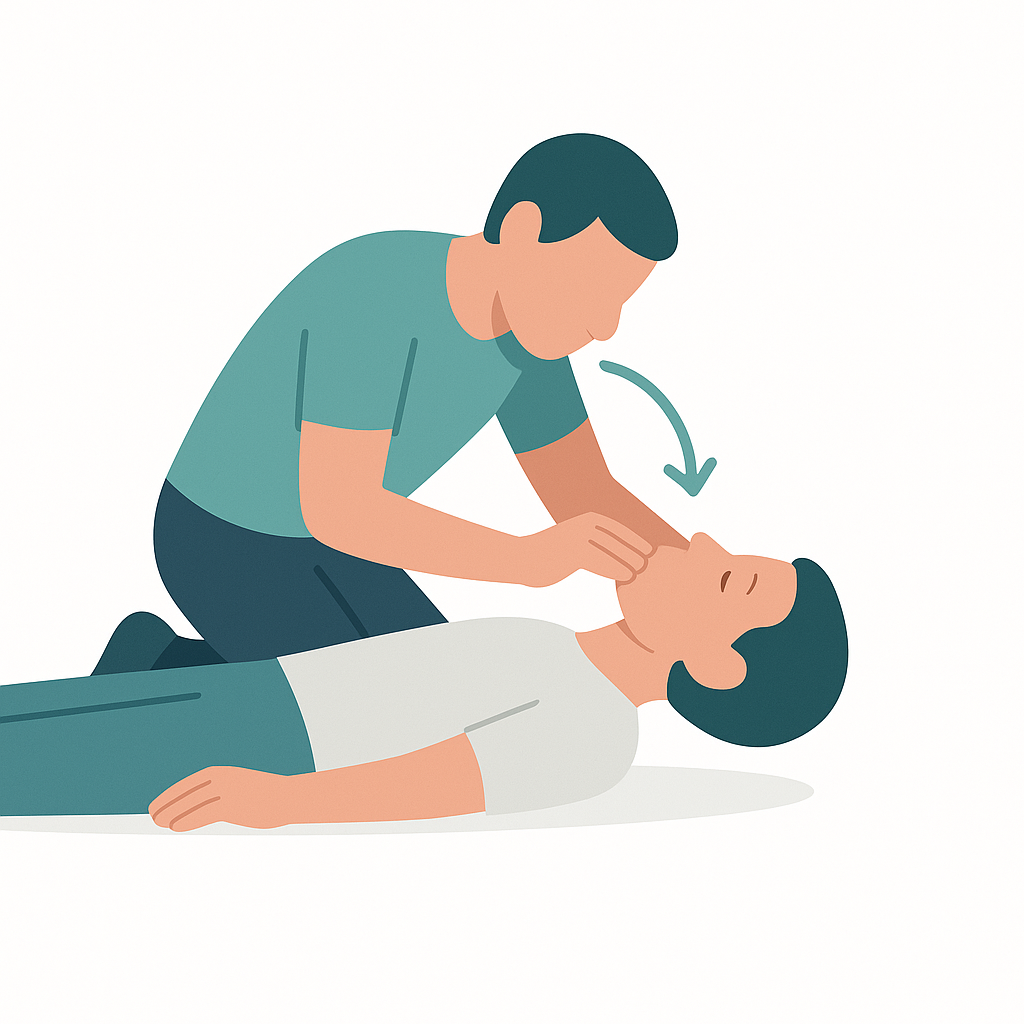
Rescue Breaths

Illustration of Rescue Breaths

Rescue breaths are a vital first aid technique that can keep oxygen flowing to someone who isn’t breathing properly, giving their body the support it needs until normal breathing or medical help arrives. Understanding how rescue breaths work can make all the difference in an emergency.

Chest Compressions

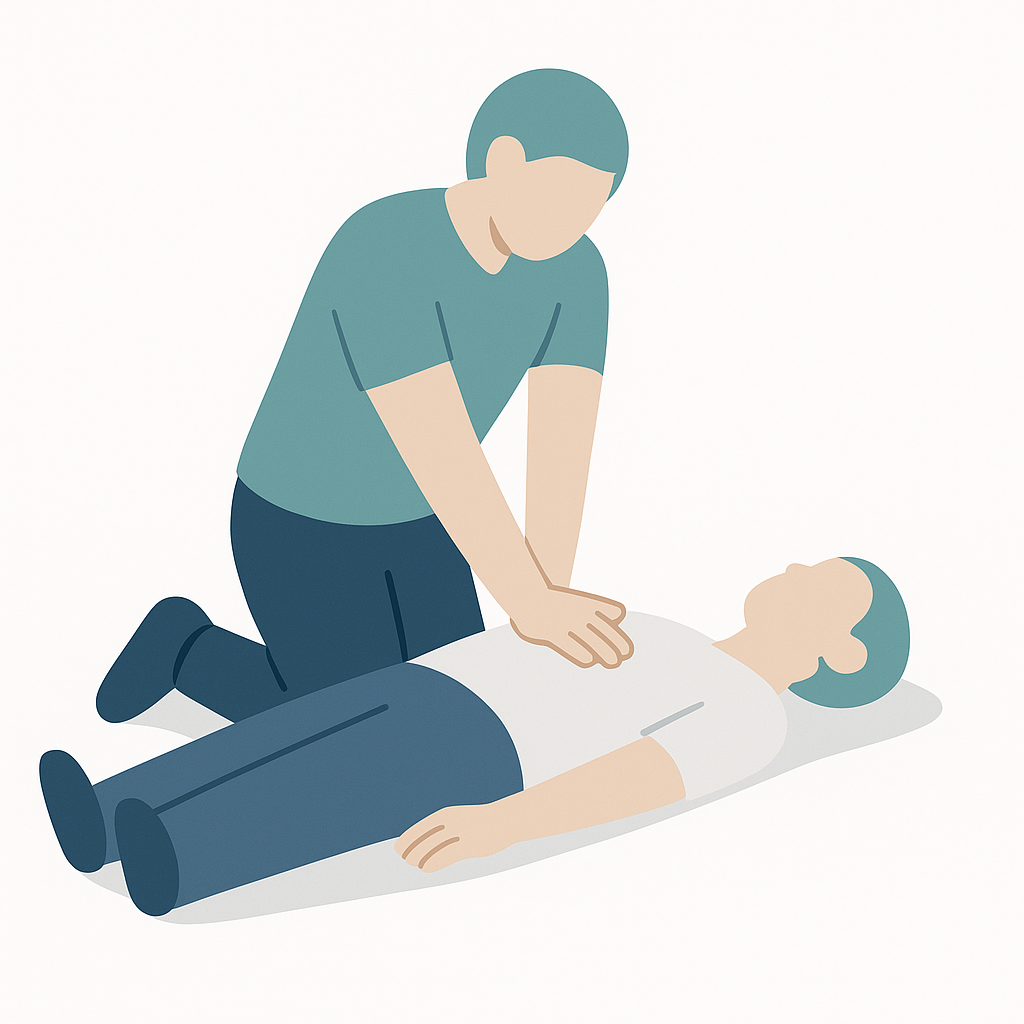
Illustration of Chest Compressions

Chest compressions are a lifesaving first aid technique that keeps blood flowing to the brain and vital organs when someone’s heart stops beating properly. Acting quickly with chest compressions can make all the difference in helping a person survive until professional help arrives.

Breathing

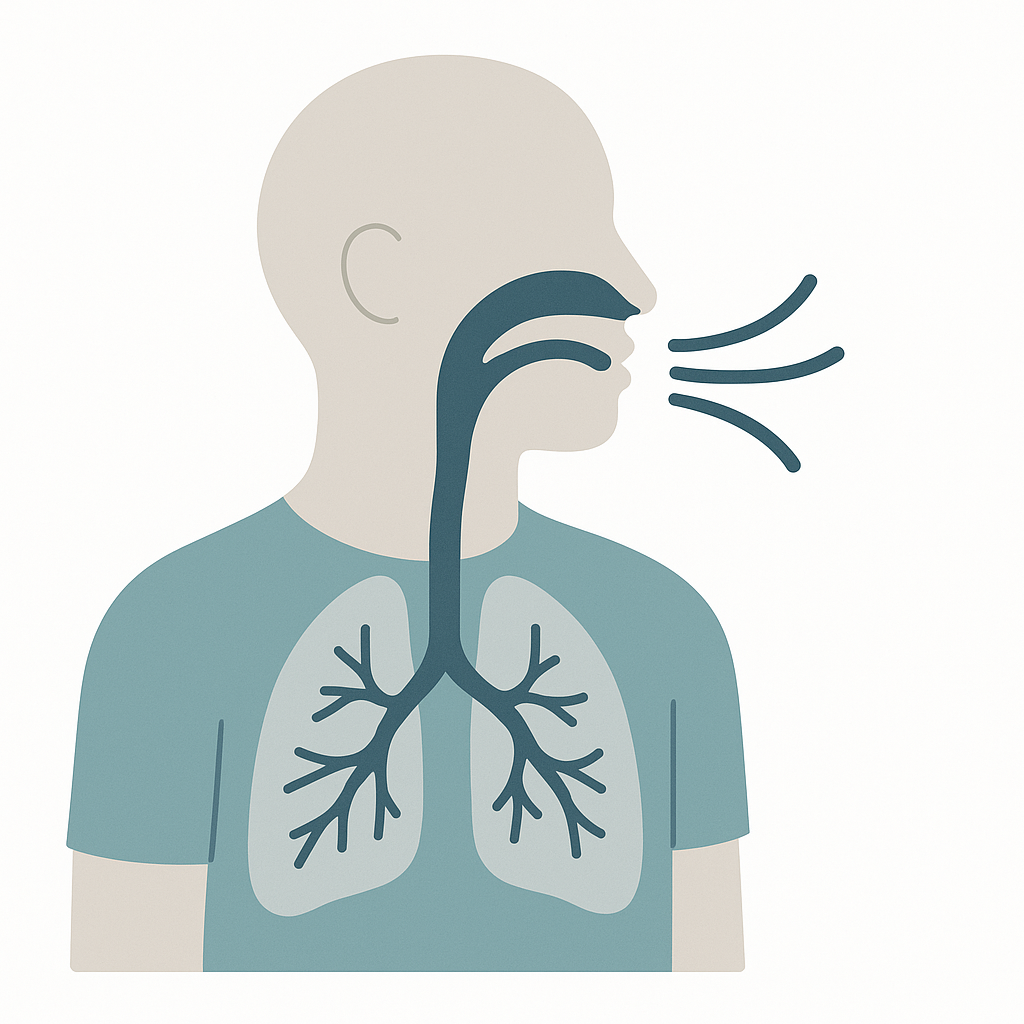
Illustration of Breathing

Breathing is the essential process that brings oxygen into your body to fuel every cell and keeps you alive. Knowing how to recognize normal and abnormal breathing can make all the difference in an emergency.

Airway

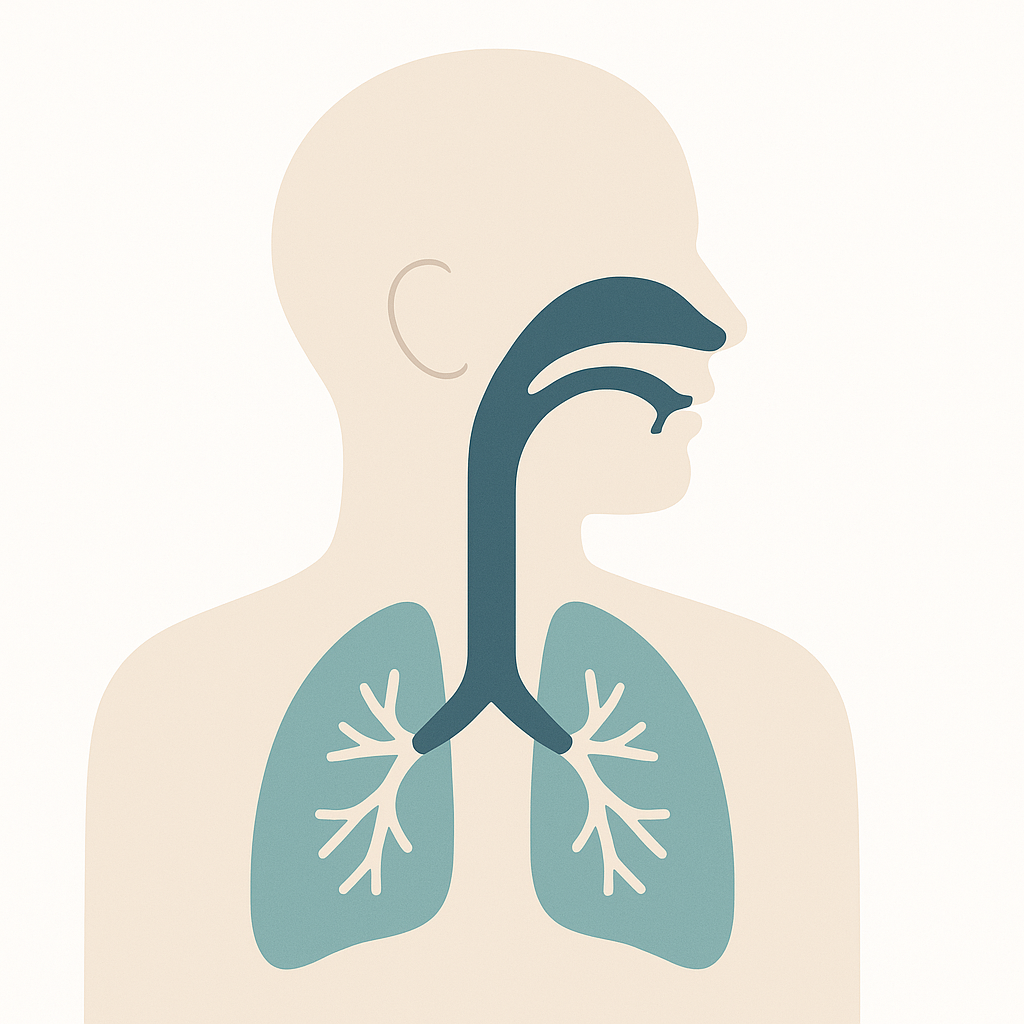
Illustration of Airway

The airway is the vital path that lets air flow in and out of your lungs, making every breath possible. In emergencies, keeping the airway clear is crucial to ensure oxygen reaches the body and keeps someone alive.