Wound

A wound is more than just a skin injury—it’s your body’s shield being broken, letting germs in and triggering the healing process. Knowing how to care for a wound properly is key to preventing infection and helping the body recover quickly.

This category includes terms related to physical harm to the body, such as wounds, fractures, burns, sprains, and other forms of trauma. Definitions explain the type of injury, how it is identified in a first aid context, and general terminology used to describe tissue damage and its severity.
A wound is more than just a skin injury—it’s your body’s shield being broken, letting germs in and triggering the healing process. Knowing how to care for a wound properly is key to preventing infection and helping the body recover quickly.

Soft tissue injury affects muscles, ligaments, tendons, and skin, often causing pain, swelling, and bruising after everyday bumps, falls, or sports mishaps. Understanding how to identify and care for these injuries can speed up healing and prevent further damage.
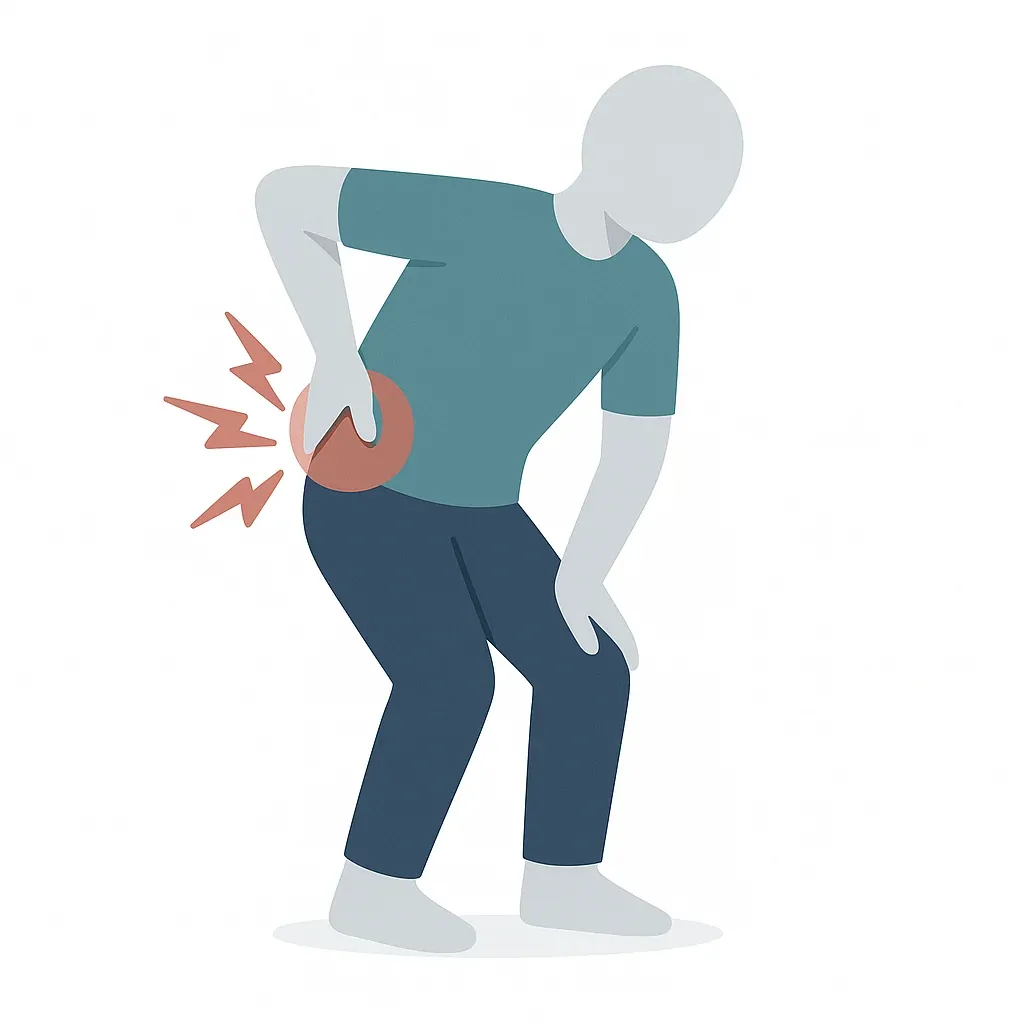
A strain happens when muscles or tendons are stretched or torn, often causing pain and swelling, especially after heavy lifting or sudden movements. Knowing how to recognize and care for a strain can make all the difference in easing discomfort and preventing further injury.

A sprain happens when ligaments—the tough bands that connect bones and keep joints stable—are stretched or torn, often causing pain, swelling, and limited movement. Knowing how to recognize and treat a sprain quickly can make a big difference in recovery and prevent further injury.
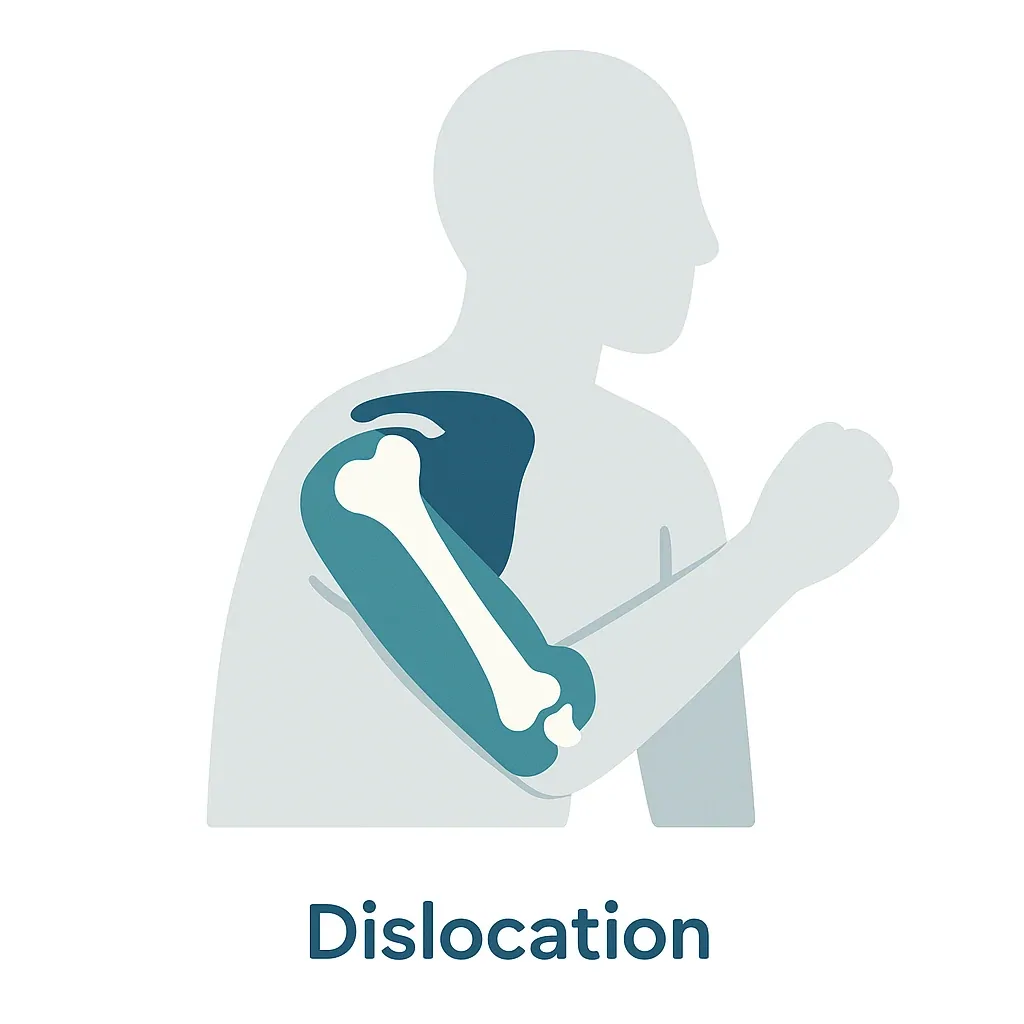
A dislocation happens when bones in a joint slip out of their normal position, causing sharp pain and difficulty moving the area. Knowing how to recognize and respond to a dislocation can help prevent further injury until professional care is available.

A burn is an injury that happens when your skin is damaged by heat, chemicals, electricity, or radiation. Understanding the basics of burns and how to treat them quickly can make all the difference in helping the skin heal and preventing further harm.
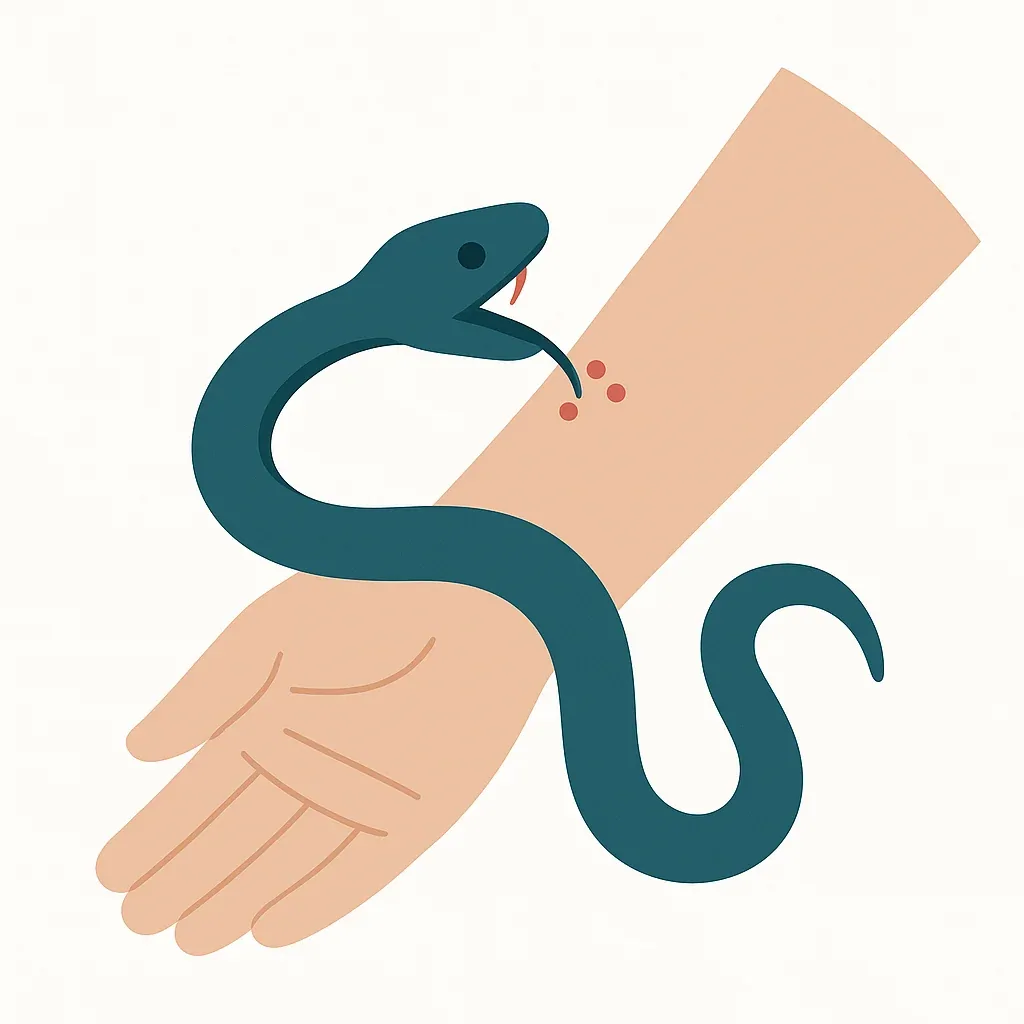
A snake bite is always a medical emergency in Australia. Learn the key first aid steps, including when pressure immobilisation matters, what to avoid doing, and how this differs from a sea snake bite.
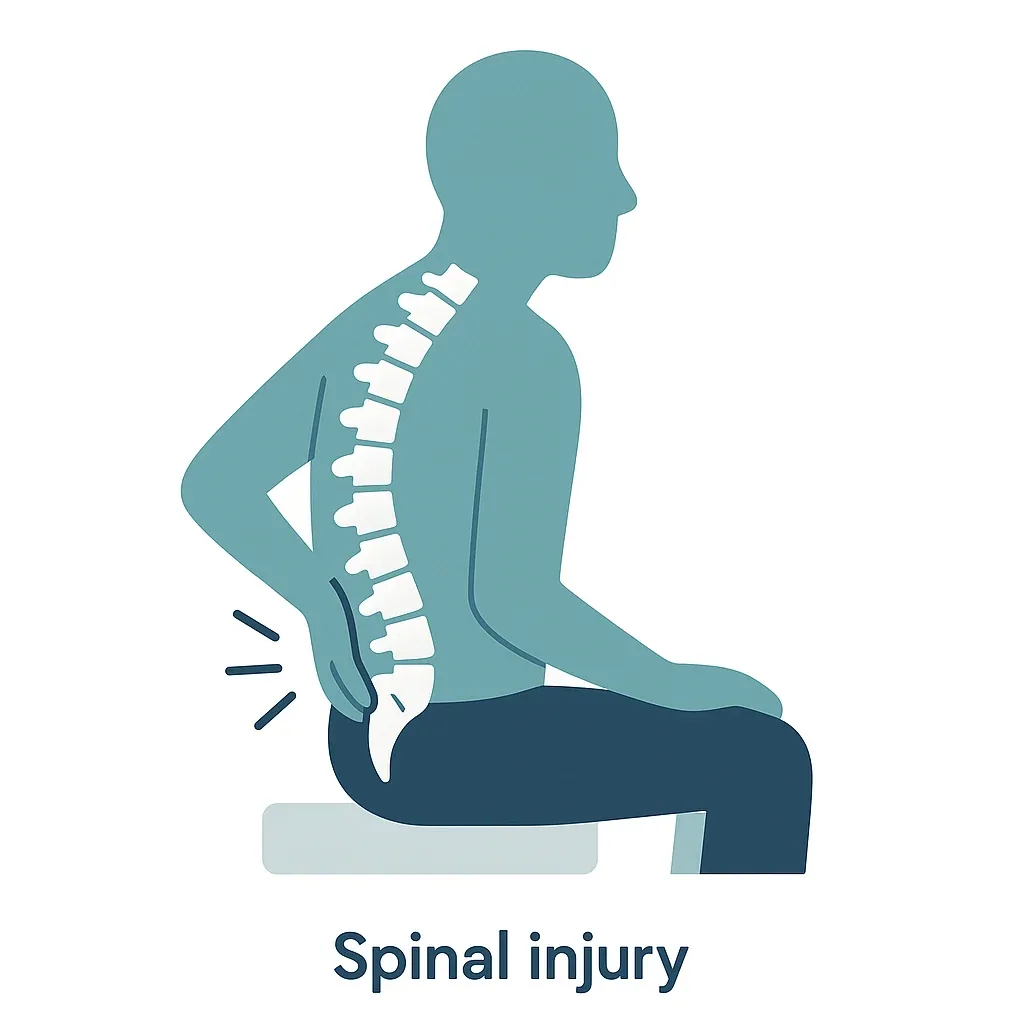
A spinal injury can have serious consequences because it affects the spine’s vital role in protecting the spinal cord, the nerve highway between your brain and body. Knowing how to recognize and safely manage a spinal injury is crucial to prevent further harm and ensure proper care.

A head injury means damage to the scalp, skull, or brain after a blow or jolt. Learn the warning signs and what to do in first aid.
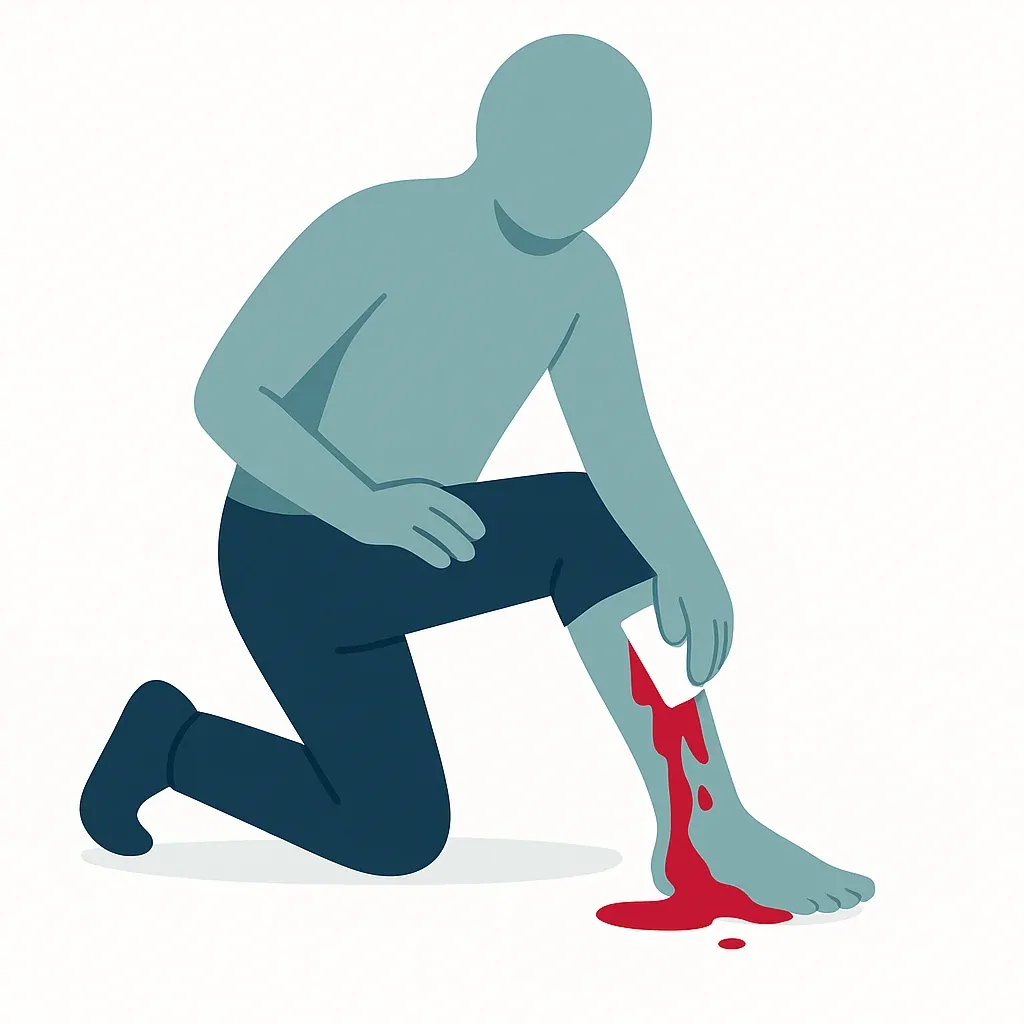
Severe bleeding is a serious emergency where a large amount of blood quickly leaves the body, and knowing how to respond fast can make all the difference in saving a life. Whether from a deep cut or a bad injury, recognizing the signs and acting quickly is crucial.