Baseline Observations
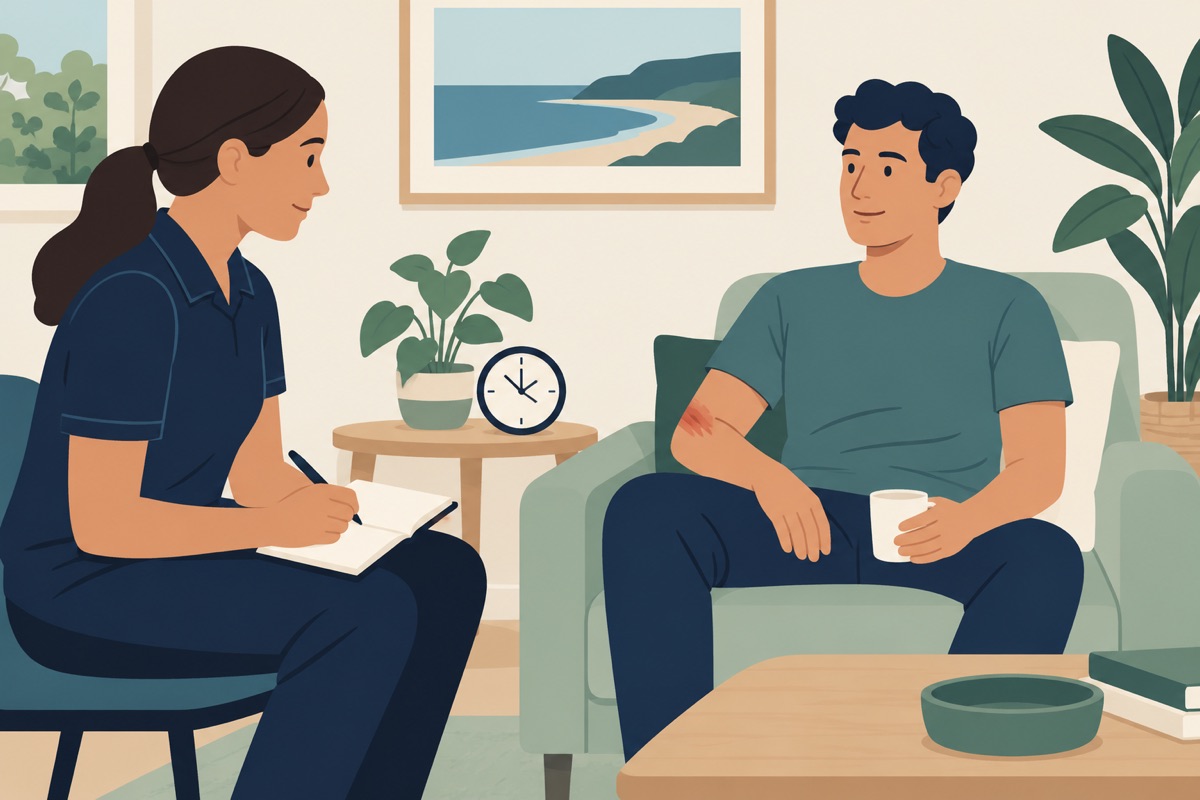
Baseline observations capture how a person was when you first began helping, so changes in breathing, response and symptoms can be recognised and clearly handed over.
Assessment terms describe how a person’s condition is observed and evaluated during an emergency. This includes terminology related to consciousness, breathing, pulse, skin signs, pain levels, and responsiveness. These words help people understand how first aiders describe what they see.
Baseline observations capture how a person was when you first began helping, so changes in breathing, response and symptoms can be recognised and clearly handed over.
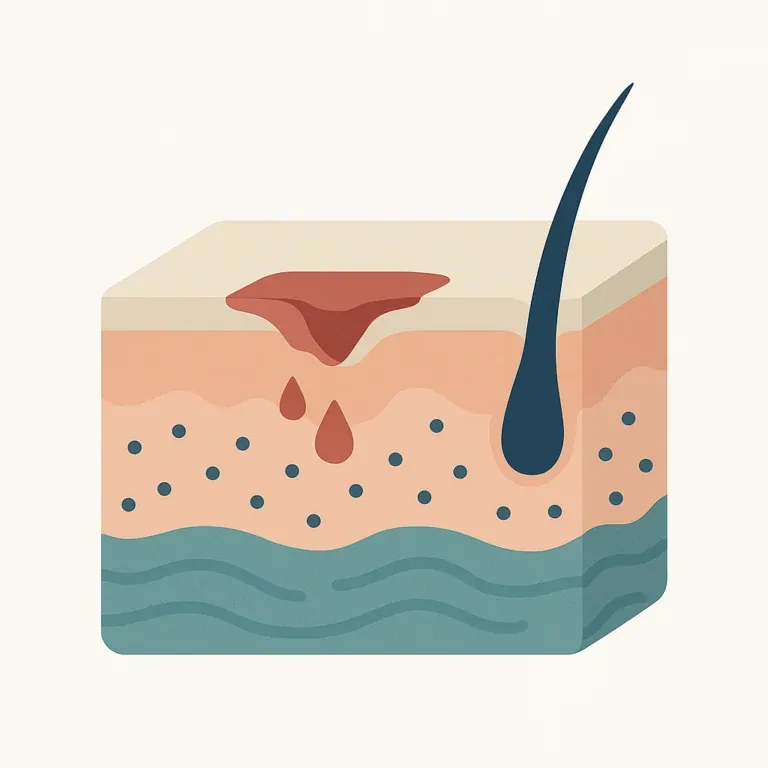
Skin integrity is your bodys natural shield, keeping you protected from germs and injury by maintaining healthy, unbroken skin. By understanding and caring for skin integrity, you can help prevent infections and support faster healing whenever skin is damaged.
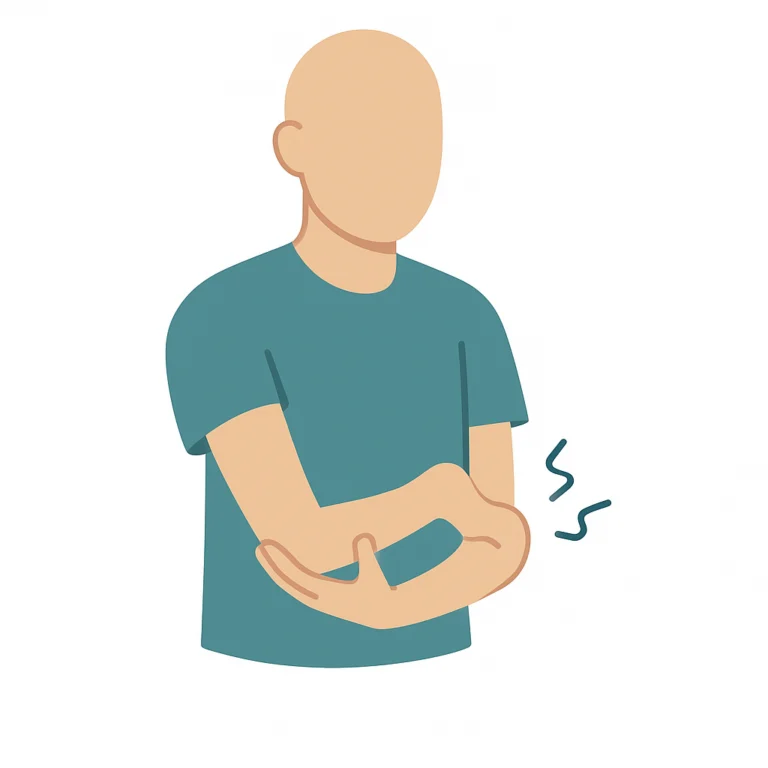
An obvious deformity is a clear sign that a bone or joint is out of place, often from a fall or injury, and recognizing it is crucial in first aid to ensure proper care and prevent further harm. Spotting this visible damage can make all the difference in helping someone get the right treatment quickly.
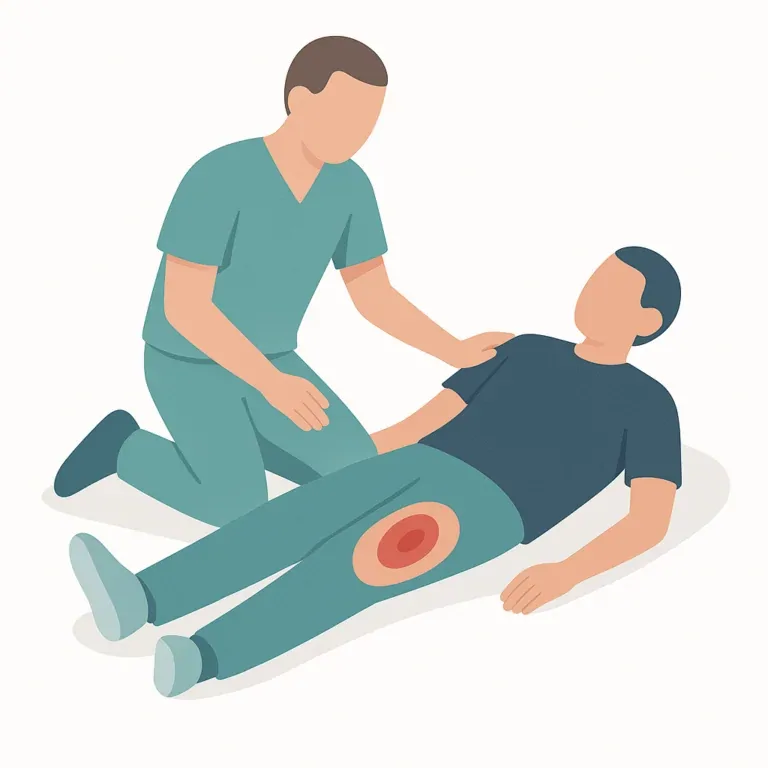
Trauma assessment is a crucial step in emergencies, helping you quickly identify serious injuries and decide the best first aid care. By carefully checking the whole body, you can spot life-threatening problems and act fast to keep someone safe.
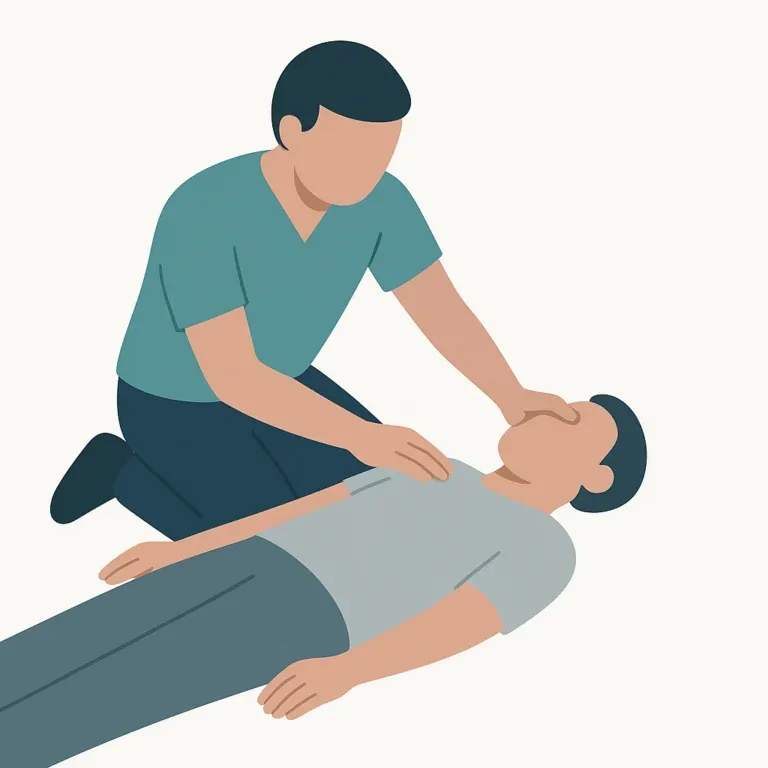
Reassessment means checking a person again to see if their condition has changed. Learn what it means in first aid and why it matters.

Mechanism of injury means how an injury happened. Learn what it means in first aid and why it helps you look for serious hidden problems.
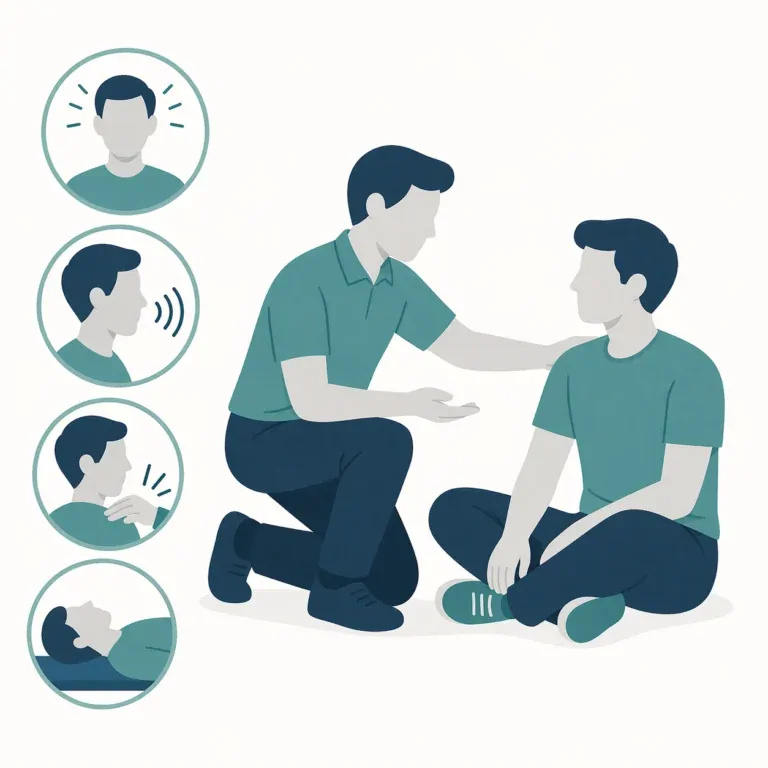
AVPU is a quick way to describe responsiveness: alert, voice, pain, or unresponsive. Learn how AVPU fits into first aid checks and what to do next.

A secondary survey is the more detailed check you do after immediate life threats are managed. Learn what a secondary survey means and what it usually includes.

A primary survey is the first rapid check for life-threatening problems. Learn how it links to DRSABCD, airway checks, CPR, and recovery position.

Unequal pupils, where one pupil is a different size than the other, can be an important sign that something might be wrong with the brain or nervous system. Noticing unequal pupils quickly can help you respond to serious injuries or health issues that need medical attention right away.