BPC Wound Dressing
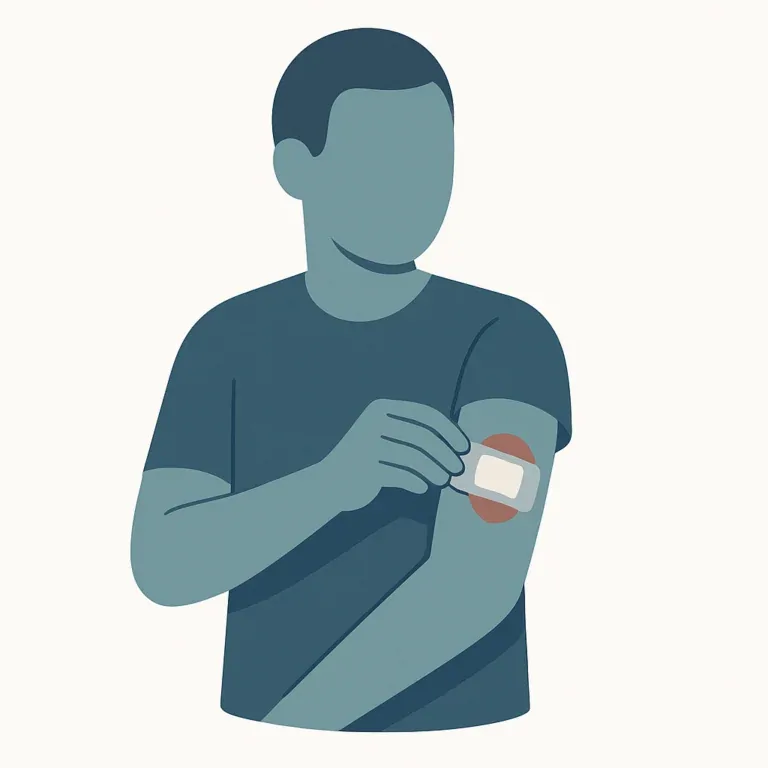
A BPC wound dressing combines a sterile absorbent pad and bandage. Learn what the No. 14 and No. 15 packets contain, when to use one, and why firm pressure matters most for bleeding.

This category explains the names of items used in first aid kits and emergency care, including bandages, dressings, splints, masks, spacers, and protective equipment. Definitions clarify what each item is and its general purpose in first aid situations.
A BPC wound dressing combines a sterile absorbent pad and bandage. Learn what the No. 14 and No. 15 packets contain, when to use one, and why firm pressure matters most for bleeding.
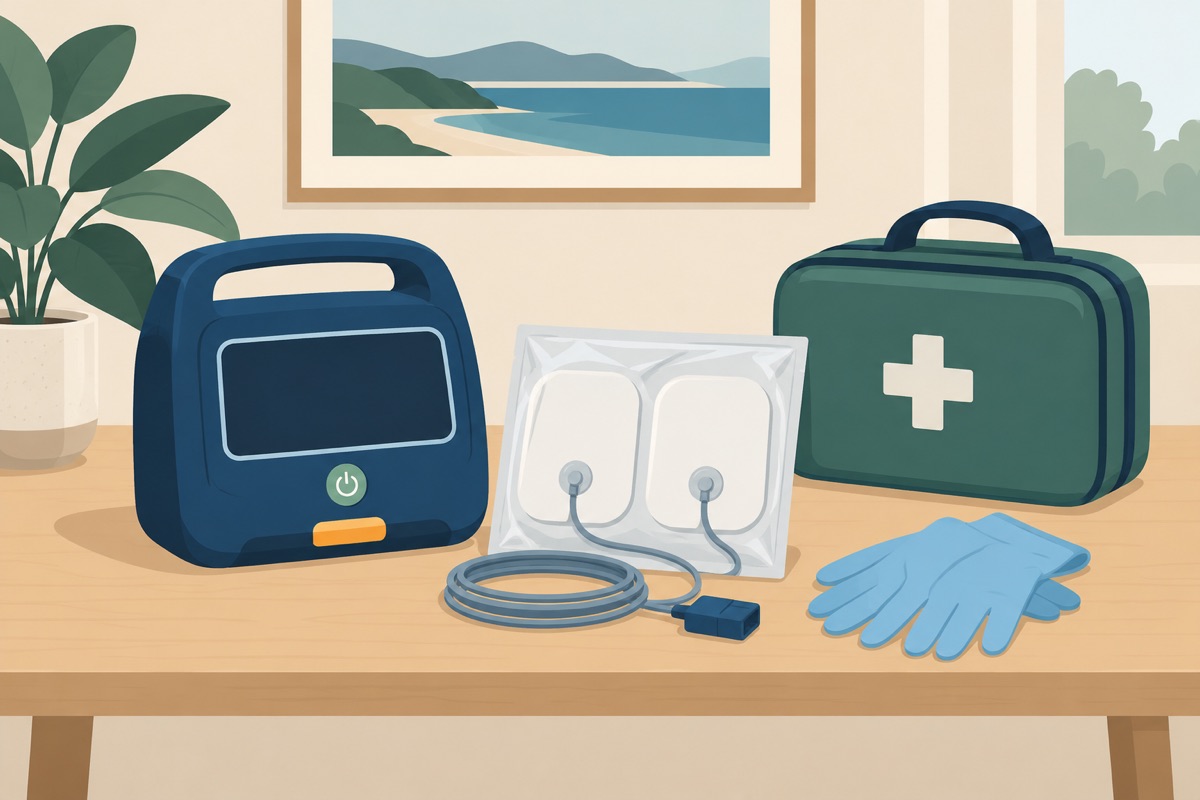
AED electrode pads connect the device to bare skin so it can check the heart rhythm and deliver a shock if advised. Learn placement, child pad options and what to check before an emergency.

Disposable gloves in first aid explained: when to wear them, how to choose a suitable pair, safe removal, hand hygiene and when gloves are not enough protection.

Antiseptic in first aid explained: clean a minor wound with water first, use products only as directed, avoid harsh home remedies and know when a cut needs professional assessment.

Instant cold pack first aid explained: activate and wrap it safely, use brief periods for comfort, avoid direct skin contact and recognise when swelling, pain or deformity needs assessment.
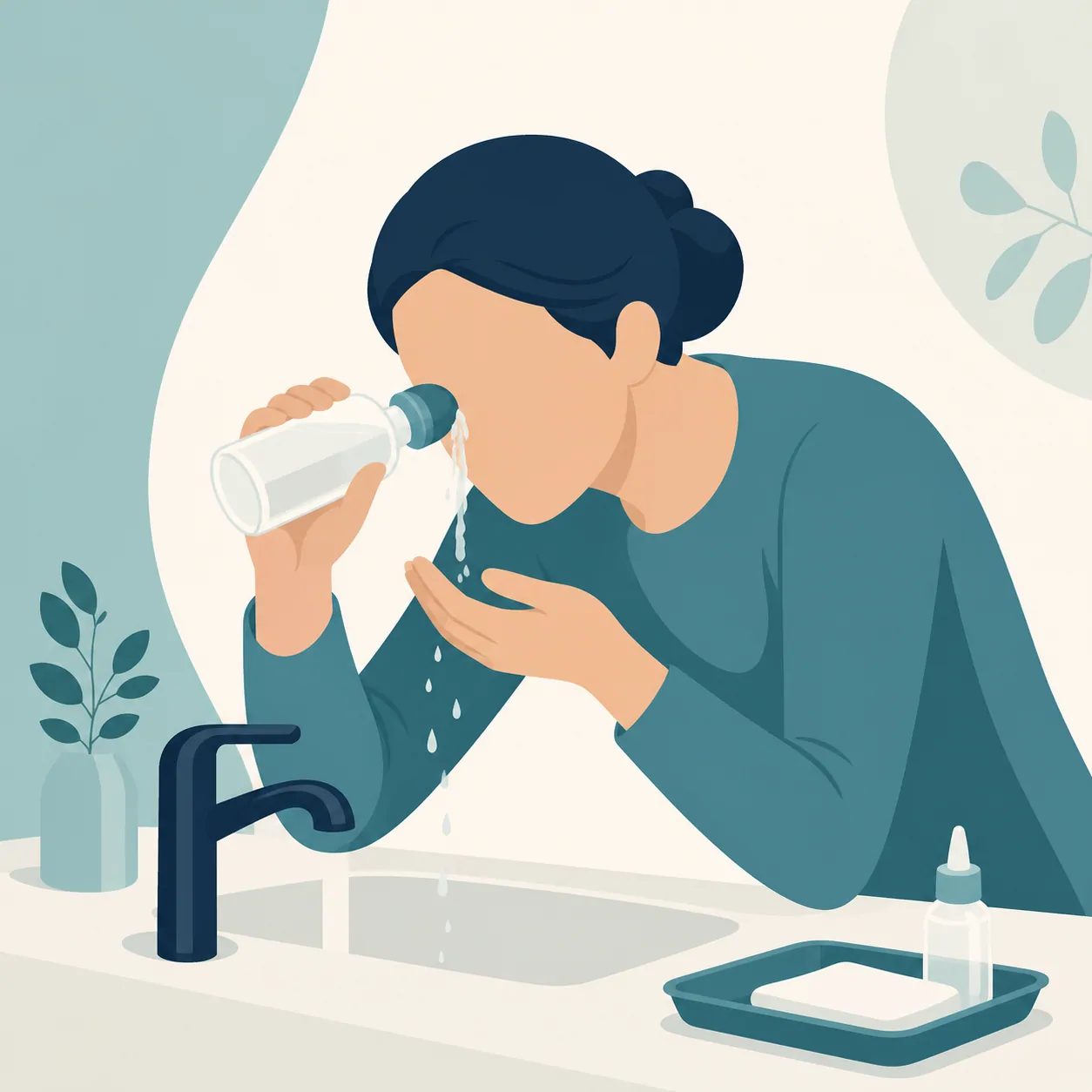
Saline solution in first aid explained: use sterile saline to rinse a minor wound or loose eye irritant, keep containers clean and know when water, urgent care or emergency help is needed instead.
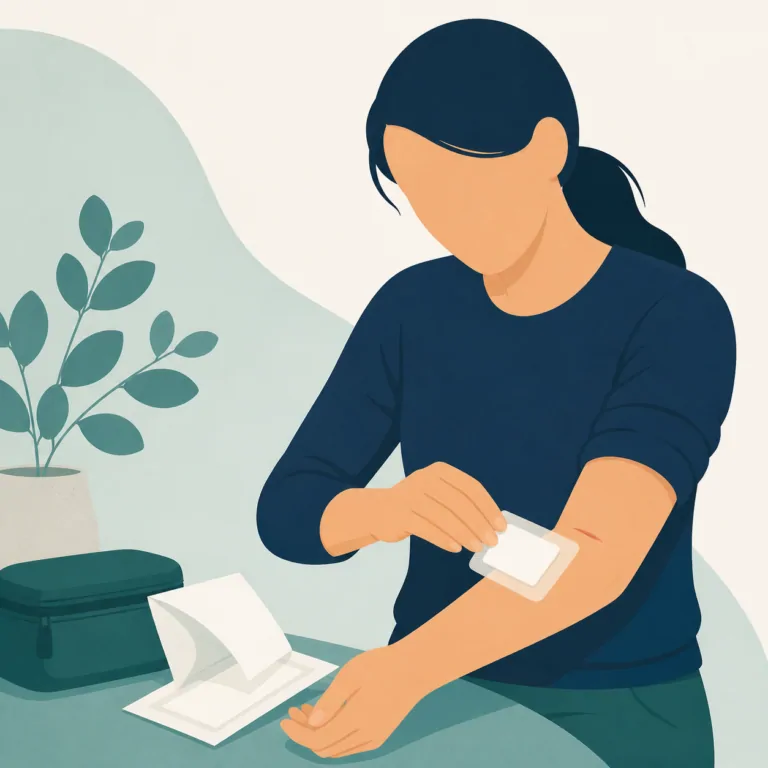
Sterile dressing first aid explained: choose the right dressing, apply it without contaminating the wound, secure it safely, change it when needed and know when a wound needs medical care.

Triangular bandage first aid explained: support an arm, secure a dressing, check circulation, avoid straightening injuries and know when suspected fractures need urgent medical care.
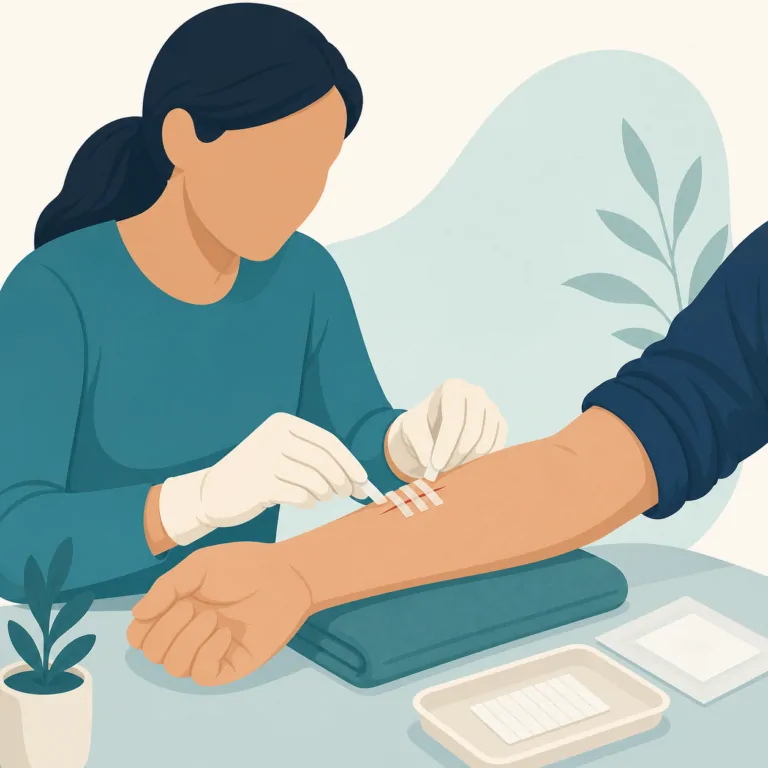
Wound closure strips explained: when they may help a clean, shallow cut, how to apply them gently and when deep, gaping, dirty or bite wounds need medical assessment instead.
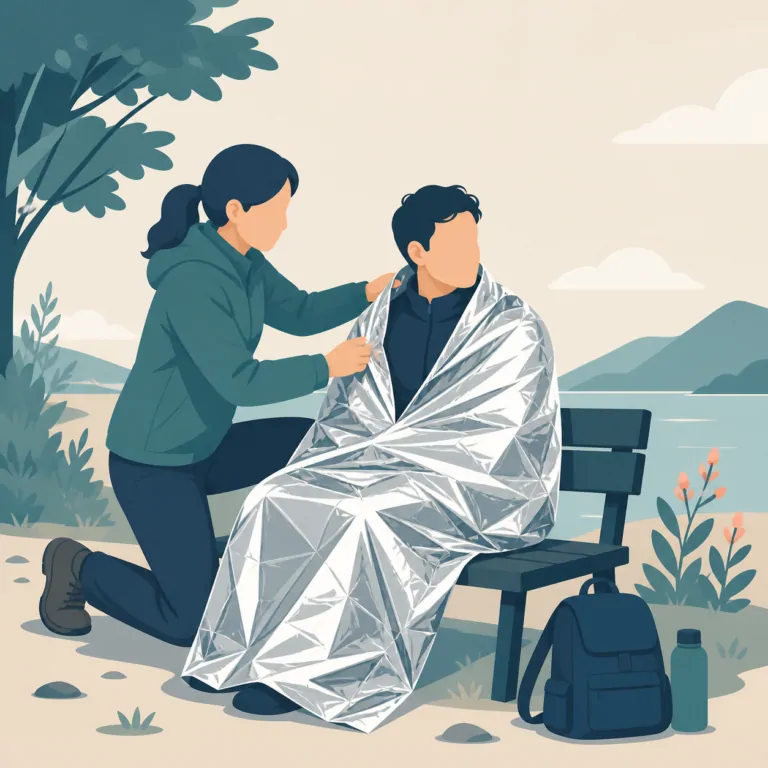
Emergency blanket first aid explained: reduce heat loss after injury or cold exposure, keep the face clear, insulate from the ground, monitor breathing and know when hypothermia needs urgent help.