Concussion
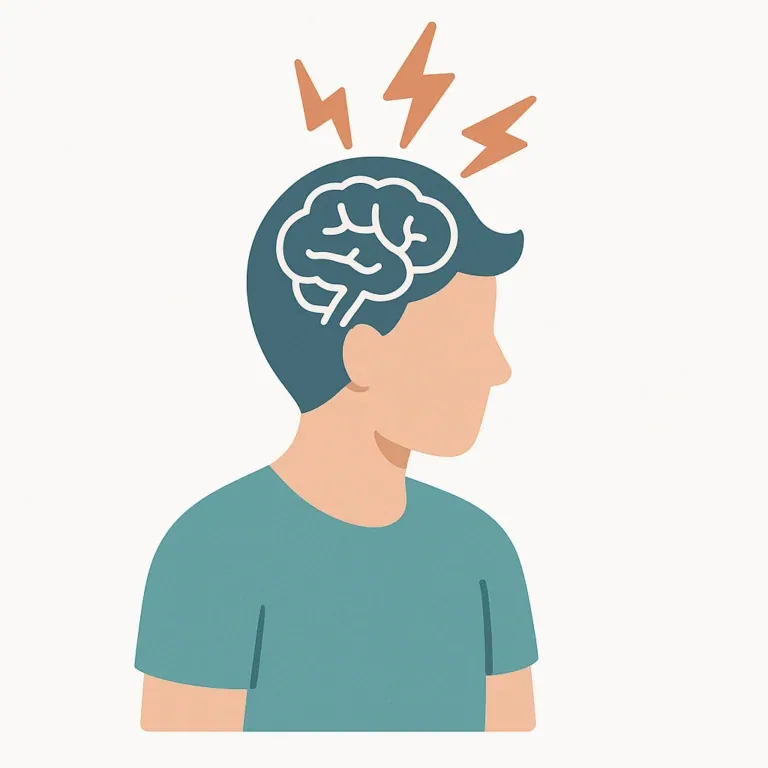
Concussion is a mild traumatic brain injury caused by a blow or jolt to the head. Learn the signs, red flags, and first aid basics.

This category includes terms related to physical harm to the body, such as wounds, fractures, burns, sprains, and other forms of trauma. Definitions explain the type of injury, how it is identified in a first aid context, and general terminology used to describe tissue damage and its severity.
Concussion is a mild traumatic brain injury caused by a blow or jolt to the head. Learn the signs, red flags, and first aid basics.

Blood loss happens when blood flows out from a wound, and understanding it is key because your blood carries oxygen and nutrients that keep your body working. Learning how to stop bleeding quickly is vital in first aid to prevent serious complications and even save a life.

Exsanguination is a life-threatening condition where rapid and heavy bleeding can quickly drain the body of vital oxygen and nutrients. Understanding how to recognize and respond to exsanguination in first aid can make all the difference in saving a life.

Internal bleeding happens when blood leaks inside the body, hidden from view but potentially serious. Recognizing the signs early and getting quick help can make all the difference in keeping someone safe.
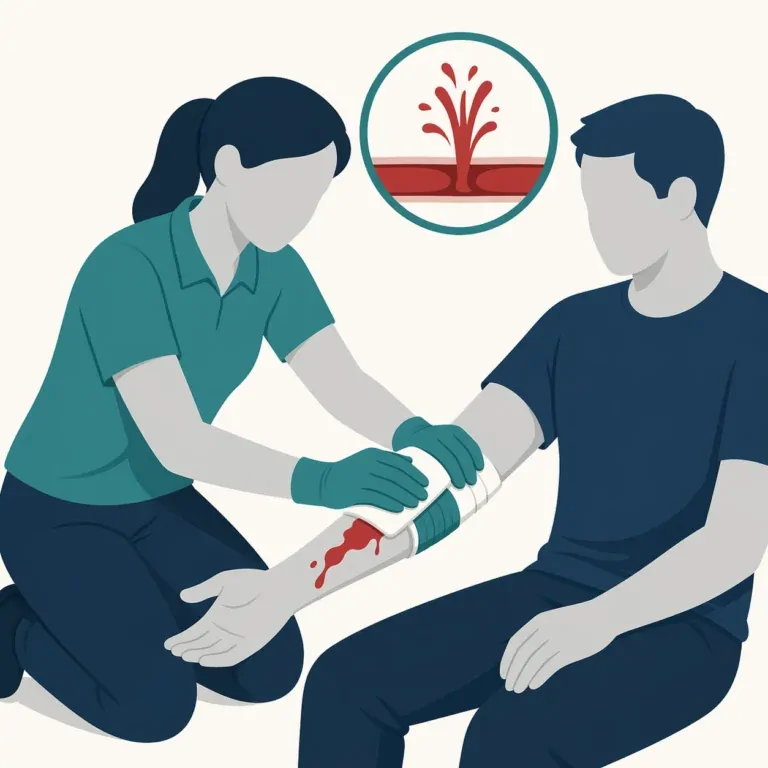
Arterial bleeding happens when blood spurts rapidly from a cut artery, making it a serious and life-threatening emergency. Knowing how to recognize and respond to arterial bleeding quickly can make all the difference in saving a life.

Life-threatening bleeding happens when a large amount of blood leaves the body quickly, putting someones life at serious risk. Acting fast to stop the bleeding can make all the difference in keeping the person safe until help arrives.
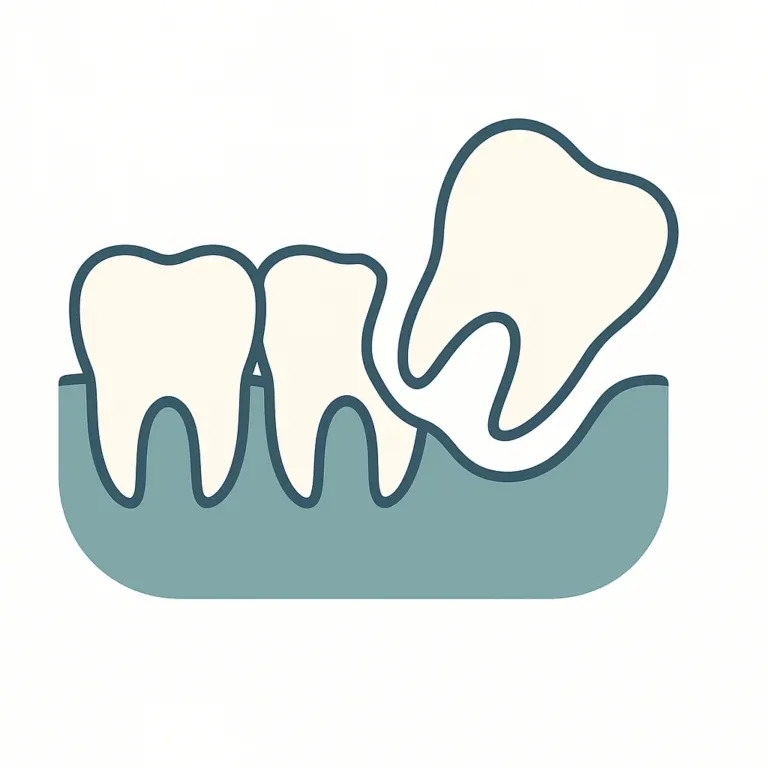
A knocked-out tooth can be a frightening emergency, but quick and calm first aid can make all the difference in saving the tooth and reducing pain. Knowing how to handle a knocked-out tooth properly gives it the best chance to reattach and keep you smiling.
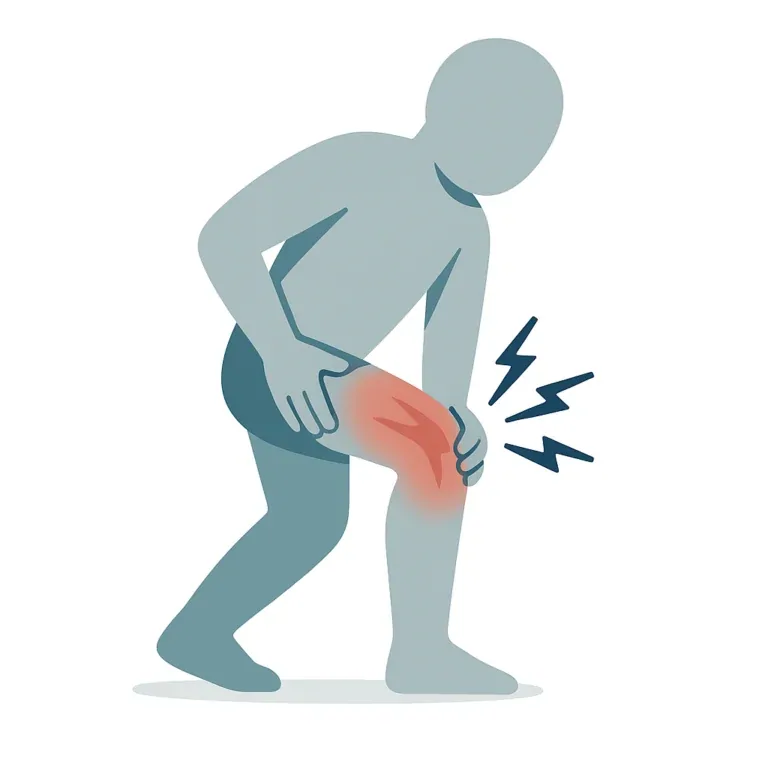
A muscle strain happens when fibers in your muscle stretch too far or tear, causing pain, stiffness, and sometimes swelling. Understanding muscle strain is key to giving proper first aid and getting you back to moving comfortably sooner.
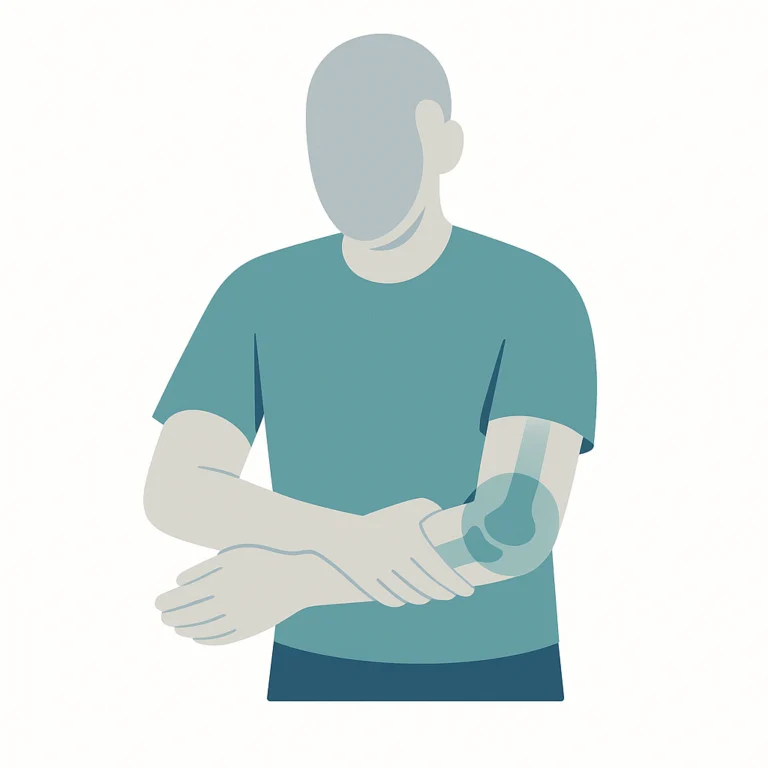
Joint stabilization is key to protecting injured joints like knees or elbows, helping to reduce pain and prevent further damage by keeping them steady until medical help arrives. Whether it’s a sprain, dislocation, or fracture, supporting the joint properly can make all the difference in recovery.
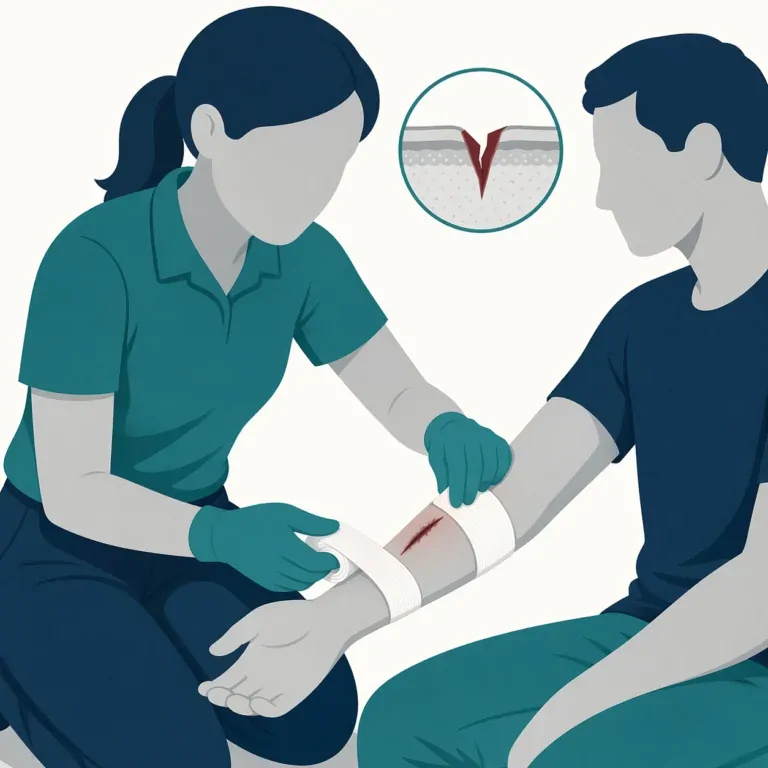
A laceration is a deep, open cut or tear in the skin caused by something sharp, and knowing how to treat it quickly is key to stopping bleeding and preventing infection. Whether from accidents at home or outdoors, understanding lacerations helps keep you and others safe.