Hyperventilation

Hyperventilation means breathing faster or deeper than needed, often during stress or panic. Learn the signs, what to do first, and when to call 000.

This category groups terms by body systems commonly involved in emergencies, such as the respiratory, circulatory, nervous, and musculoskeletal systems. Definitions help readers understand how different parts of the body are referred to when discussing injuries and medical conditions.
Hyperventilation means breathing faster or deeper than needed, often during stress or panic. Learn the signs, what to do first, and when to call 000.
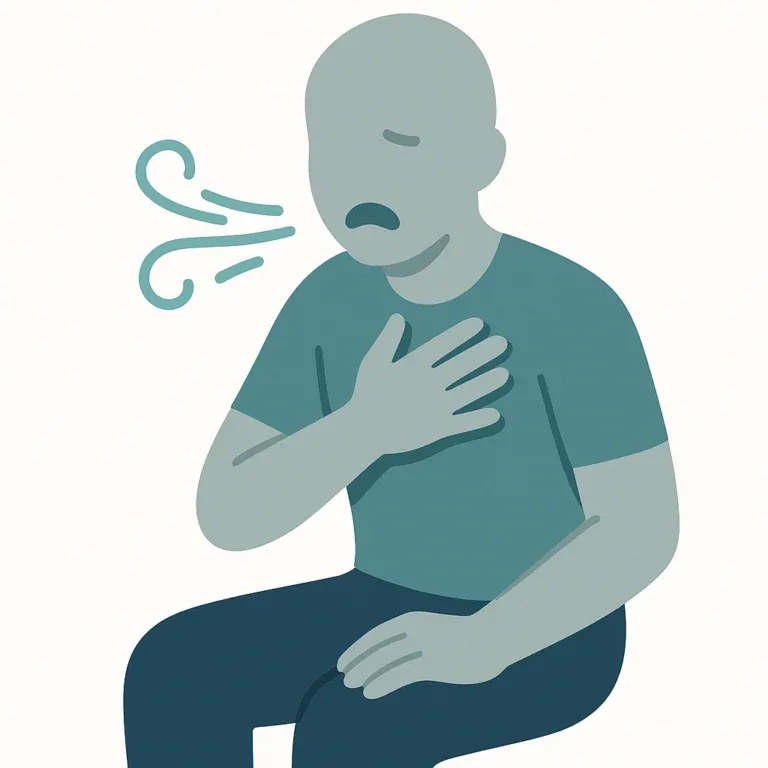
Hypoxia occurs when your body or certain parts don’t get enough oxygen, which can affect how well your organs work and even pose serious health risks. Understanding the signs and causes of hypoxia is key to acting quickly and keeping yourself or others safe.
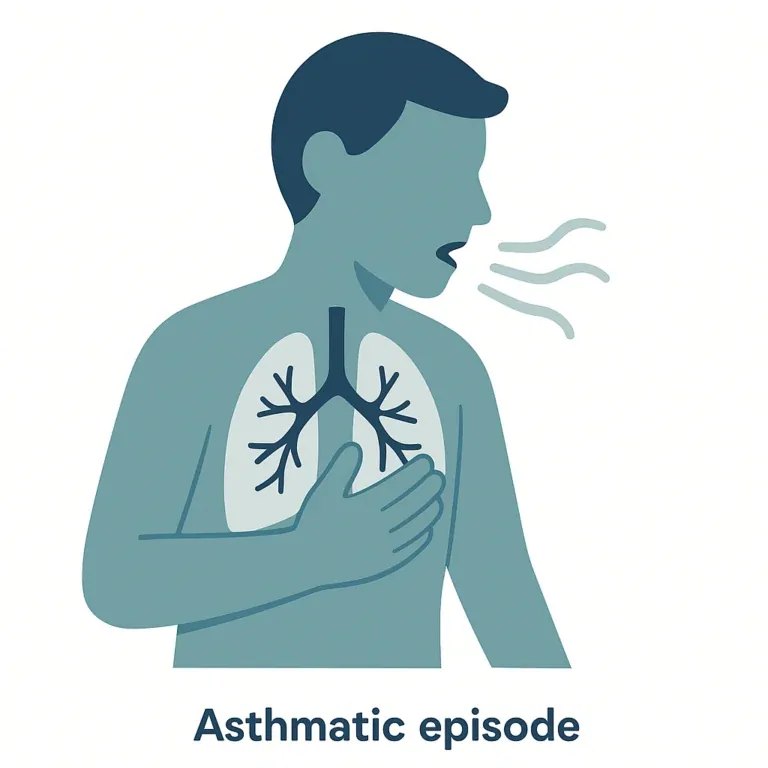
Asthmatic episode is another term for an asthma flare-up. For the main practical first aid response page, see Asthma Attack.
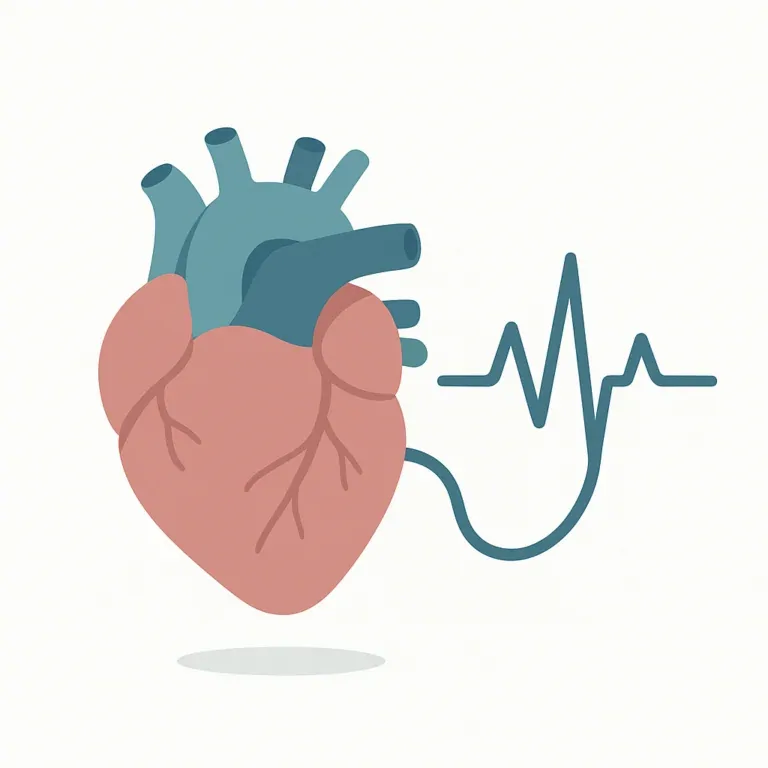
Heart rate means how many times the heart beats in one minute. Learn why heart rate matters in first aid, how it relates to pulse, and when abnormal rates need urgent help.

Circulation problems occur when blood flow is hindered, meaning your body’s cells might not get the oxygen and nutrients they need. Recognizing the warning signs of poor circulation can help you provide crucial first aid and support until medical help arrives.

Cyanosis is a crucial sign to recognize when someones skin or lips turn a bluish color due to low oxygen in the blood, especially during emergencies like choking or asthma attacks. Knowing about cyanosis can help you act fast and get the right help when it matters most.

Aspiration happens when food or liquid accidentally enters the lungs instead of the stomach, which can cause coughing, choking, or even serious lung infections. Understanding aspiration and how to respond quickly is key to keeping yourself and others safe.

Ventilation means moving air in and out of the lungs. Learn what ventilation means in first aid, when poor ventilation becomes dangerous, and where CPR and rescue breaths fit.
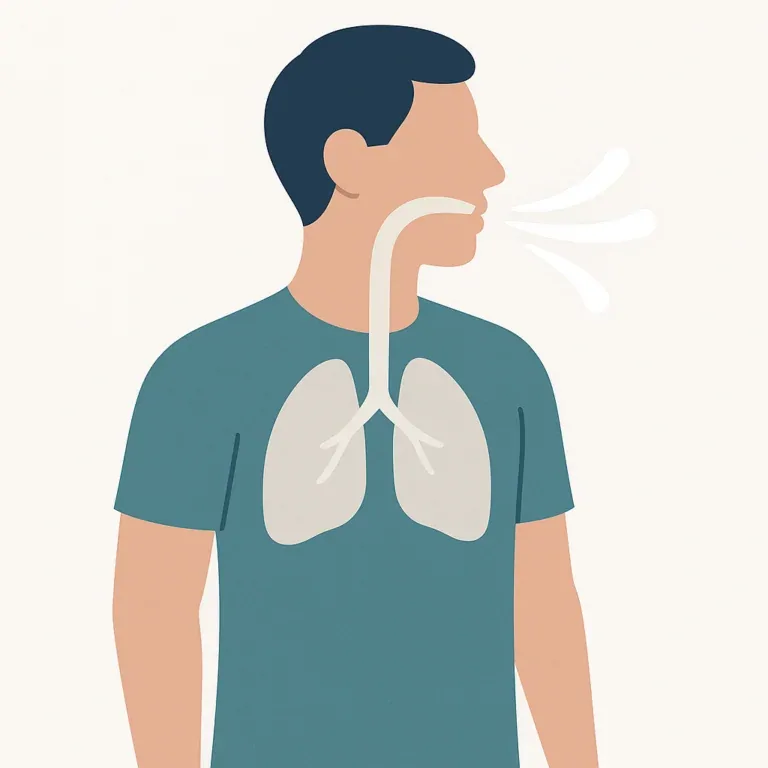
Spontaneous breathing is your body’s natural way of taking in oxygen and releasing carbon dioxide without any help—an important sign that your lungs and brain are working well. Recognizing spontaneous breathing in an emergency can guide you in providing the right first aid and knowing when to call for urgent help.
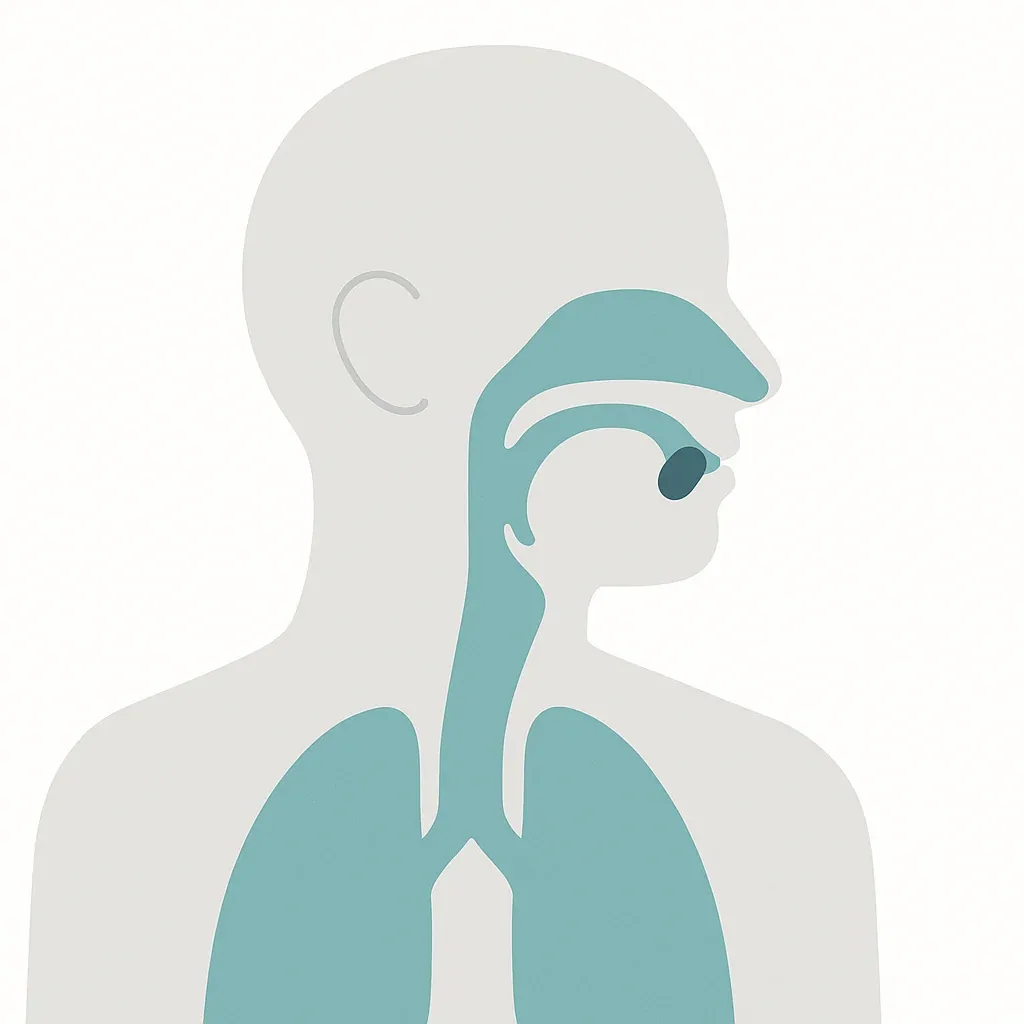
Airway obstruction happens when something blocks the flow of air to the lungs, making it hard to breathe and risking serious harm. Recognizing the signs early and acting quickly can save a life by clearing the airway and restoring proper breathing.