Presyncope

Presyncope means feeling close to fainting without losing consciousness. Learn how it differs from syncope and when to seek help.

This section covers medical emergencies and health conditions that may require first aid awareness, such as asthma, seizures, stroke, shock, allergic reactions, and diabetic events. Terms focus on what the condition is and how it is described in emergency or first aid settings.
Presyncope means feeling close to fainting without losing consciousness. Learn how it differs from syncope and when to seek help.

Angina is temporary chest discomfort linked to reduced blood flow to the heart. Learn how a familiar pattern differs from a worrying change and when to call 000.
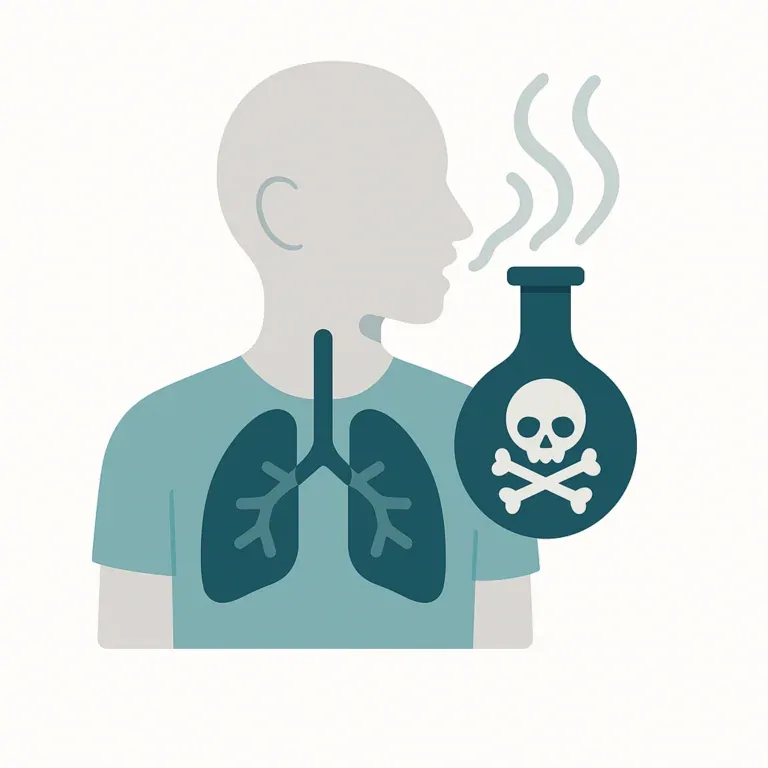
Toxic exposure happens when your body comes into contact with harmful substances like chemicals, gases, or plants, and knowing the signs can help you respond quickly to protect your health. From mild symptoms like dizziness to serious effects like trouble breathing, understanding toxic exposure is key to staying safe.
If you ever face a situation involving harmful substances, the Poisons Information Centre is your go-to resource for quick, expert advice to keep you and your loved ones safe. Whether it’s a chemical, medicine, or something unexpected, they guide you on what to do next—because every second counts in emergencies.

Poison control is all about knowing how to act quickly and safely when someone is exposed to harmful substances, whether at home or elsewhere. By understanding the basics, you can help keep your loved ones safe and get the right help fast in an emergency.

A fish sting injury can cause severe pain and sometimes a dangerous reaction. Learn the key first aid steps, including hot water for pain relief, when spine pieces can be removed, and when to get urgent medical help.
A sponge injury is usually a local skin reaction after contact with a sea sponge. Learn the key first aid steps, including washing the area, avoiding further contact, and when to seek medical help.
A sea urchin injury usually causes painful spine punctures rather than a collapse emergency. Learn the key first aid steps, including removing easy-to-reach spines, hot water for pain relief, and when to seek medical help.
A cone shell sting is a medical emergency that can cause numbness, weakness, breathing trouble, and collapse. Learn the key first aid steps, including when pressure immobilisation and CPR matter.
Stingray injuries can cause severe pain, puncture wounds, and heavy bleeding. Learn the key first aid priorities, including bleeding control, when hot water is used, and when to call 000.