Amputation
An amputation is the complete or partial loss of a body part. In first aid, the word often describes a traumatic injury in which a finger, toe, hand, foot or other part has been cut or torn off.
This category includes terms related to physical harm to the body, such as wounds, fractures, burns, sprains, and other forms of trauma. Definitions explain the type of injury, how it is identified in a first aid context, and general terminology used to describe tissue damage and its severity.
An amputation is the complete or partial loss of a body part. In first aid, the word often describes a traumatic injury in which a finger, toe, hand, foot or other part has been cut or torn off.
An abrasion is a superficial wound caused when the skin is rubbed or scraped against a rough surface. Everyday words for an abrasion include a graze or scrape.
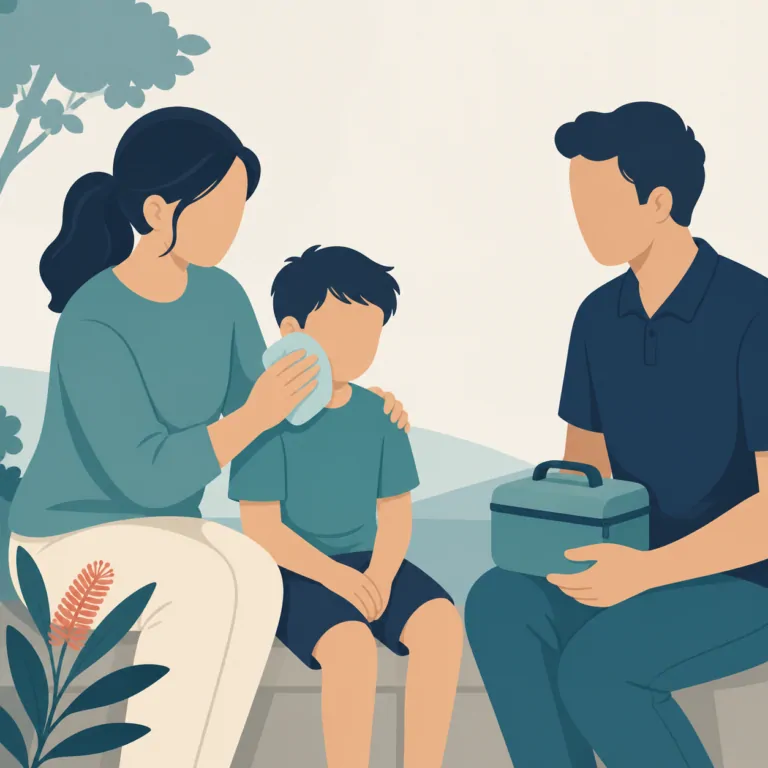
Dental injury first aid for chipped, loose and broken teeth: control bleeding, use a cold compress, save tooth fragments in milk or saline and see a dentist urgently.
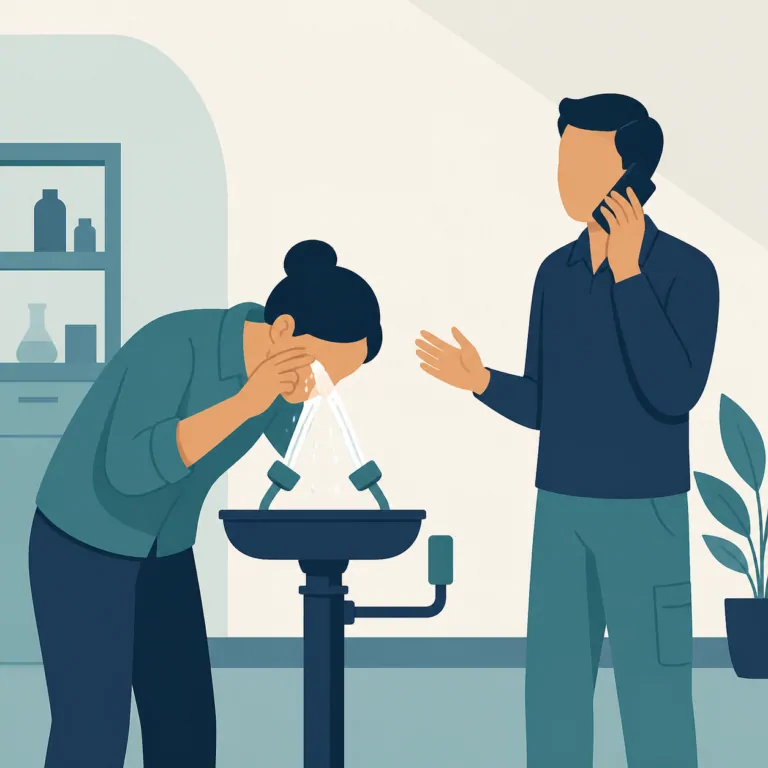
Chemical splash in the eye first aid: immediately rinse with clean running water, keep the unaffected eye protected, call 000 or seek emergency care and bring product details.
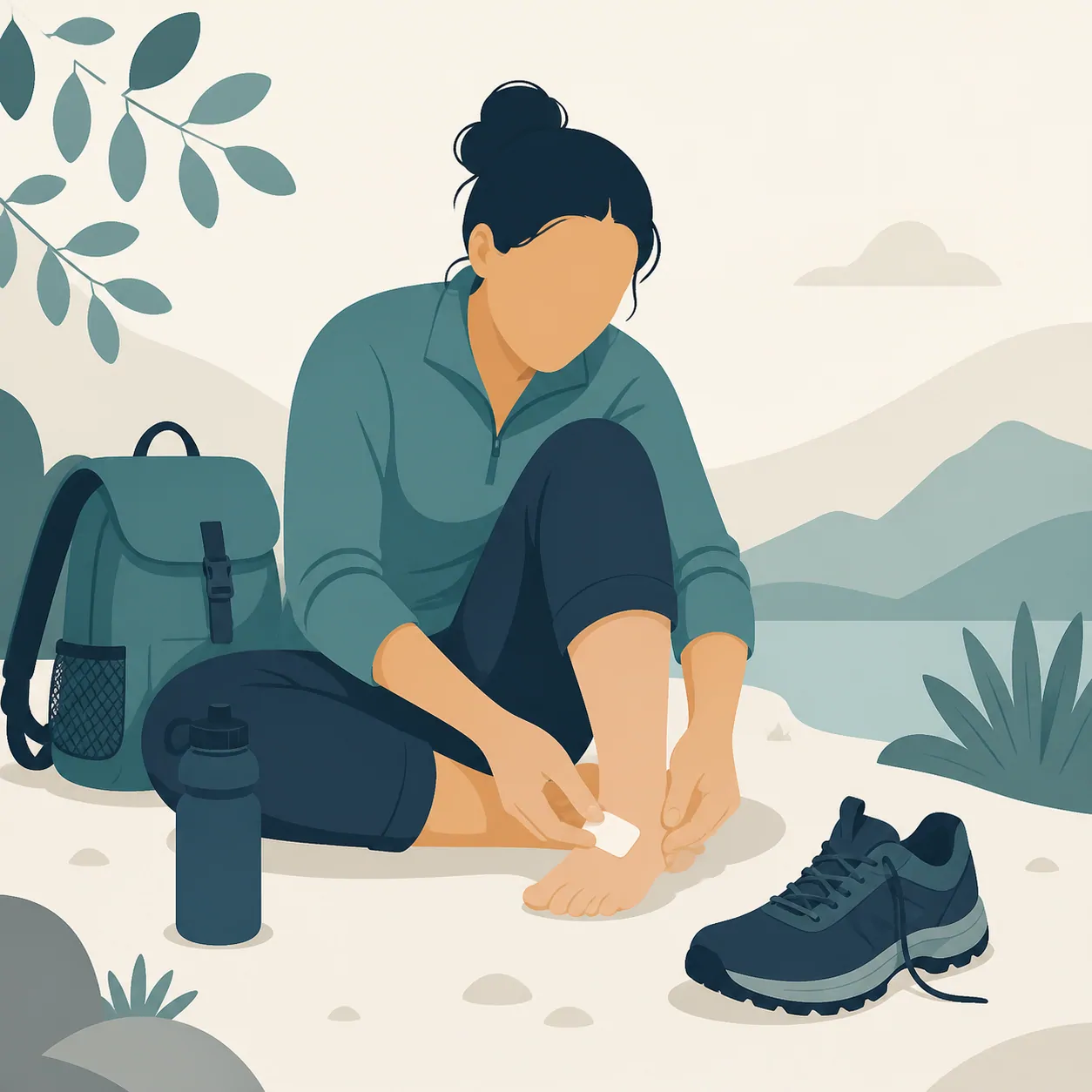
Practical blister first aid for walking, sport and work: protect intact skin, reduce friction, clean broken blisters and recognise signs that need medical care.
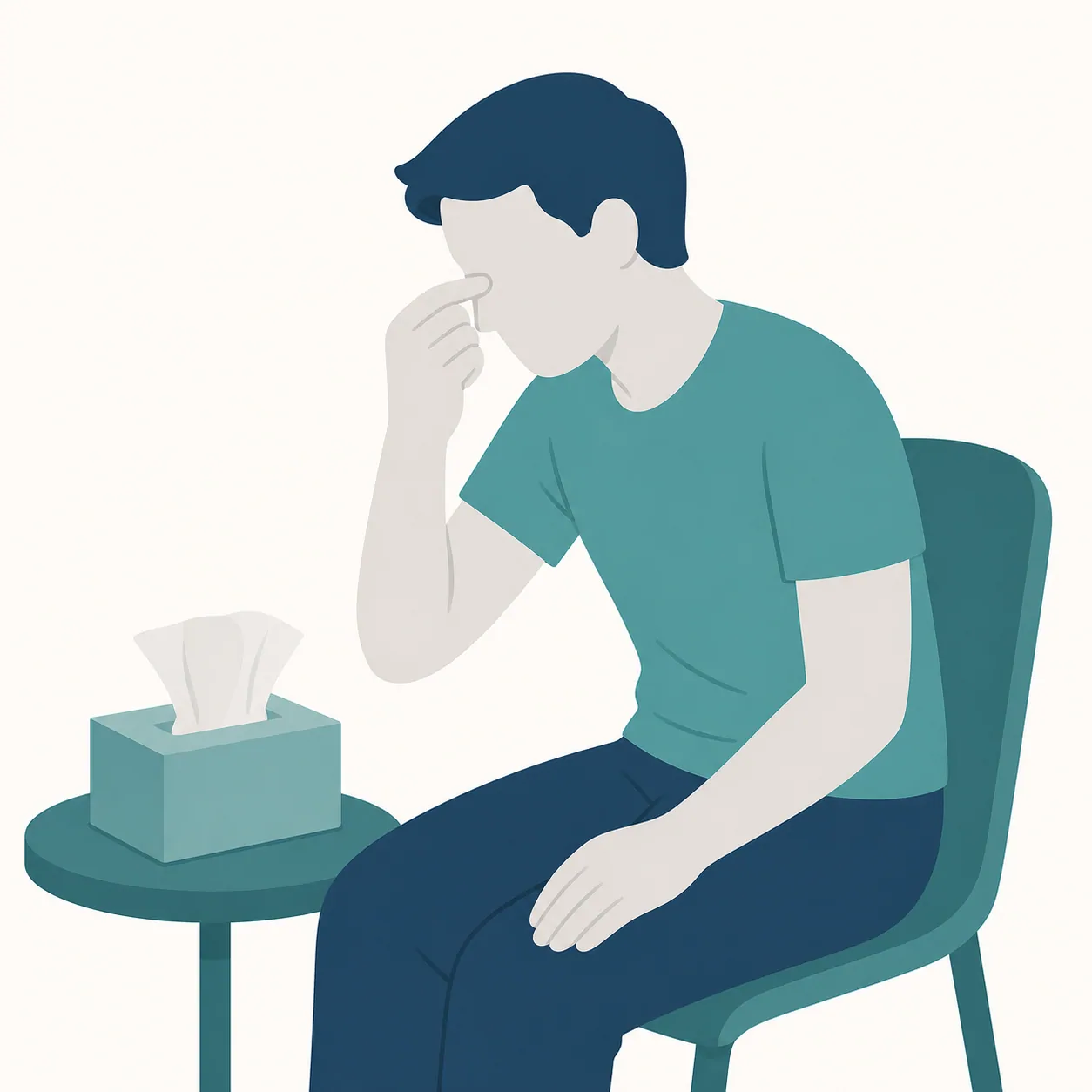
Learn nosebleed first aid: sit up, lean forward, pinch the soft part of the nose for 10 minutes and know when persistent or heavy bleeding needs urgent care.
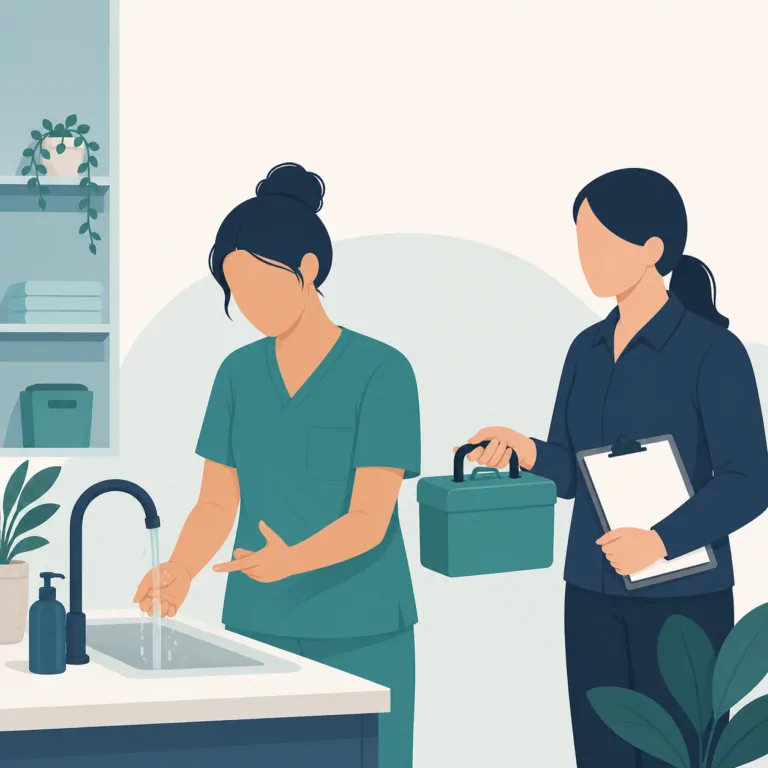
Needlestick injury first aid in Australia: wash the area with soap and water, do not squeeze or suck it, report the incident immediately and arrange urgent medical assessment.
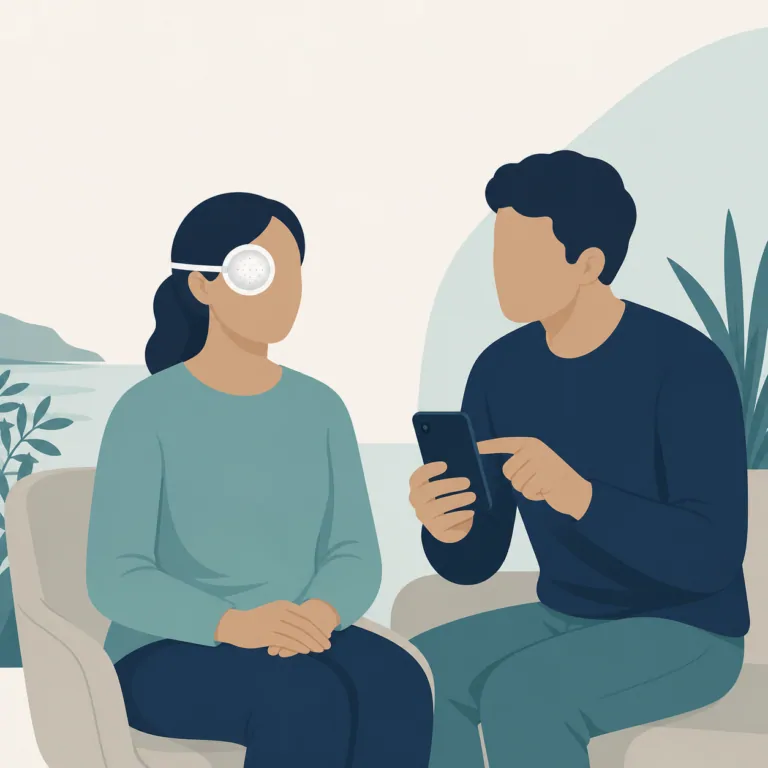
Foreign object in the eye first aid: do not rub, gently flush loose dust or grit with water, never remove an embedded object and seek urgent help for pain or vision changes.

Sharps injury first aid: keep others away, wash a puncture promptly, do not squeeze or suck it, report the incident and get urgent medical advice after any skin puncture.
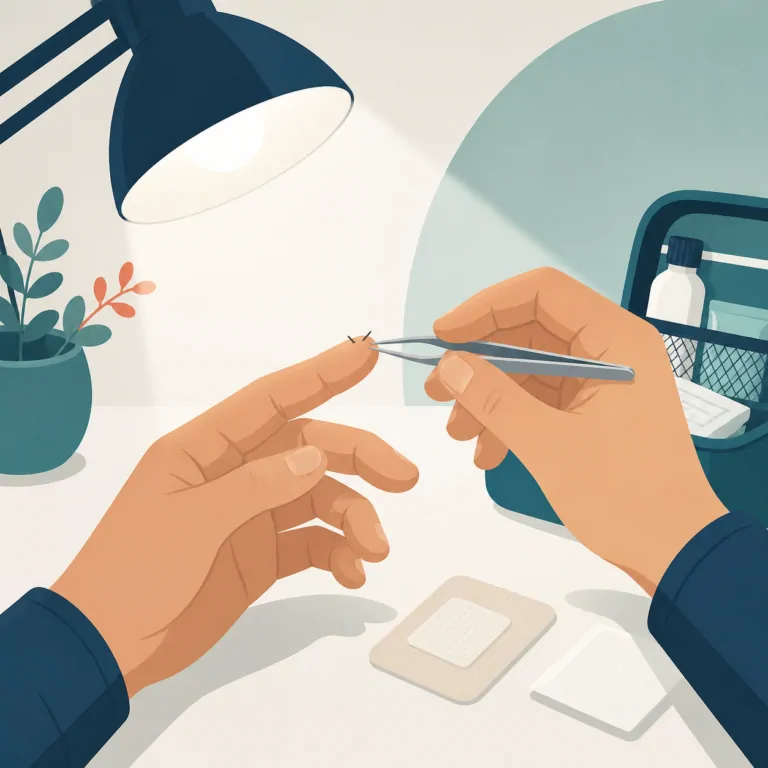
Learn safe splinter first aid: clean hands and tools, remove only a visible superficial splinter, cover the site and know when a clinician should remove it.