Haemorrhage
Haemorrhage means heavy bleeding that can be life-threatening if not treated quickly. Understanding how to recognize and respond to haemorrhage is crucial for providing first aid and saving lives.
Haemorrhage means heavy bleeding that can be life-threatening if not treated quickly. Understanding how to recognize and respond to haemorrhage is crucial for providing first aid and saving lives.

Exsanguination is a life-threatening condition where rapid and heavy bleeding can quickly drain the body of vital oxygen and nutrients. Understanding how to recognize and respond to exsanguination in first aid can make all the difference in saving a life.
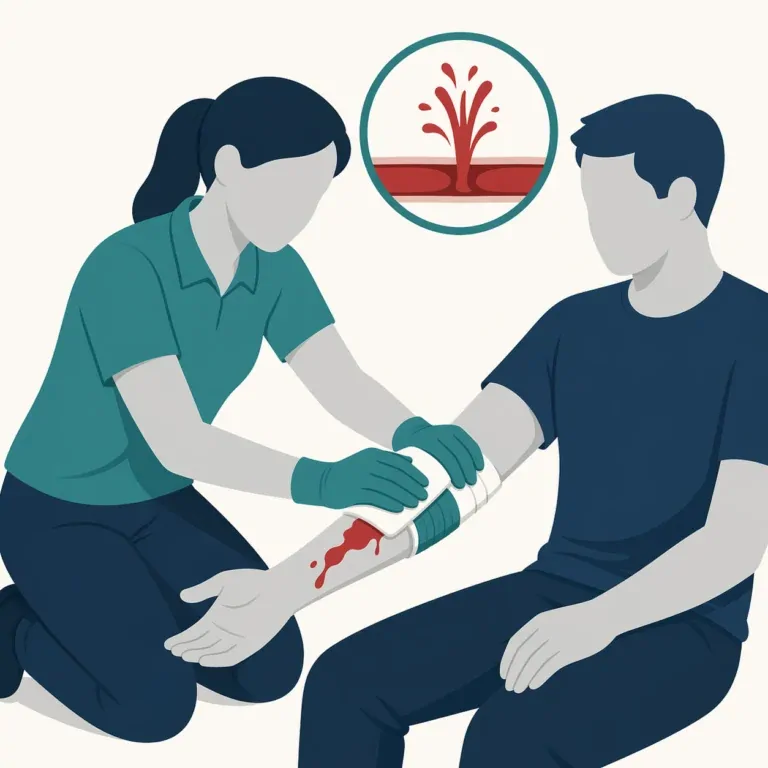
Arterial bleeding happens when blood spurts rapidly from a cut artery, making it a serious and life-threatening emergency. Knowing how to recognize and respond to arterial bleeding quickly can make all the difference in saving a life.
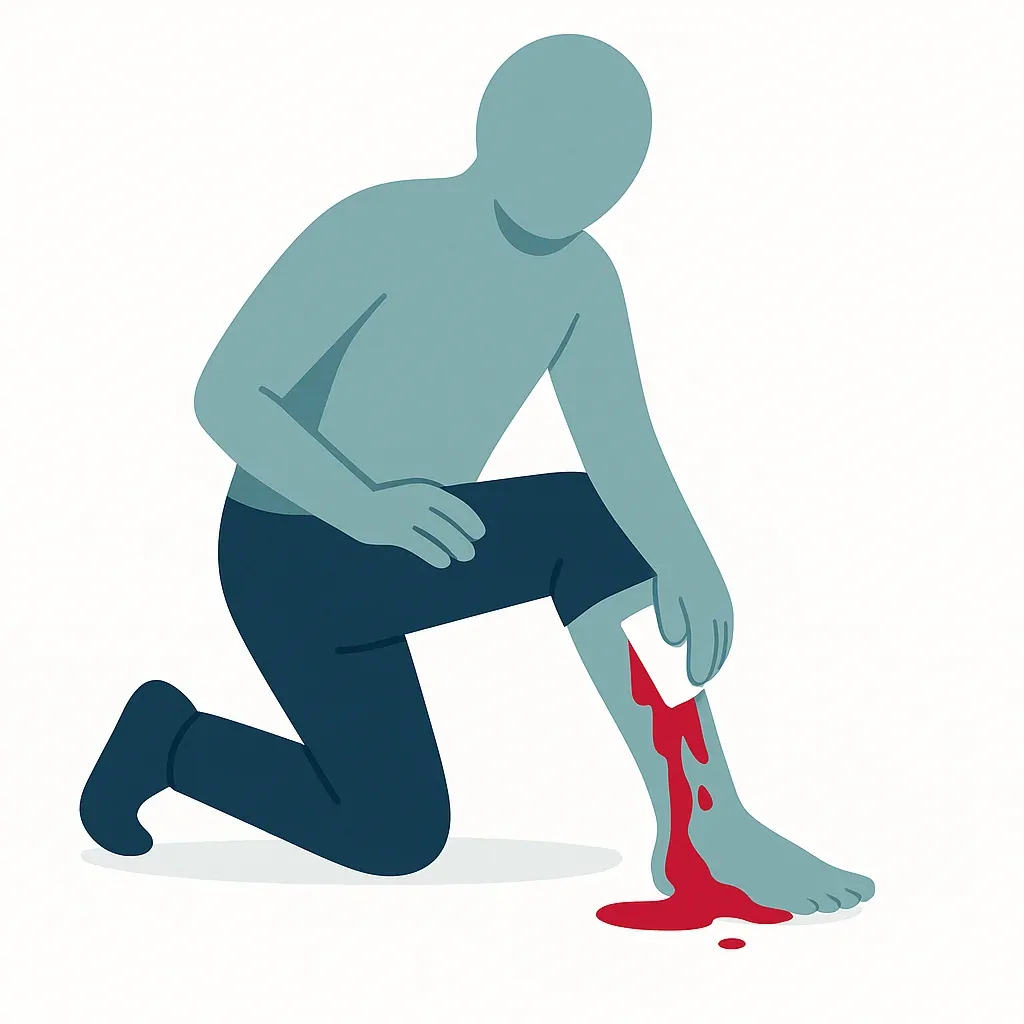
Severe bleeding is a serious emergency where a large amount of blood quickly leaves the body, and knowing how to respond fast can make all the difference in saving a life. Whether from a deep cut or a bad injury, recognizing the signs and acting quickly is crucial.