
Haemorrhage
Haemorrhage means bleeding, especially when there is a lot of blood coming out of the body quickly. It happens when blood vessels, which are like tubes that carry blood, get damaged or broken. In first aid, knowing about haemorrhage is very important because severe bleeding can cause serious problems and can even be life threatening if not treated quickly.
What Haemorrhage Means
When you have a cut or injury, your skin and blood vessels can break. Blood then leaks out. This leaking of blood is called bleeding or haemorrhage. Sometimes the bleeding is small and stops on its own. At other times, the bleeding is heavy and does not stop easily. Heavy bleeding is an emergency. Haemorrhage might happen on the outside of the body, where you can see the blood, or inside the body, where you cannot see it but it can still be very dangerous.
Why Haemorrhage Is Important in First Aid
If a person loses too much blood too fast, they can become very weak and collapse. Blood carries oxygen and nutrients to every part of the body. When blood is lost, the body cannot work properly. The person may feel dizzy, weak, or confused. If bleeding is not controlled, the person can go into shock. Shock means the heart cannot pump enough blood around the body. This can cause serious problems or death.
First aid mainly focuses on stopping or slowing the bleeding and keeping the person safe until help arrives. Knowing what to do can save someone’s life.
What You Might See in a Haemorrhage
When someone has a haemorrhage, you might see blood coming from a wound or injury. The blood could be bright red, which often means it is coming from an artery (a big blood vessel carrying blood from the heart). This kind of bleeding can be fast and should be treated quickly.
Sometimes the blood might be dark red or slow flowing, which may mean it is from a vein (a blood vessel that carries blood back to the heart). Both types of bleeding need help, but bright red fast bleeding is more dangerous.
The area around the injury might swell or feel warm. The person might feel weak, dizzy, or sick. They might look pale or have cold, clammy skin. Breathing might become fast or shallow. These are signs of shock, which means the body is not getting enough blood.
General Steps to Take in a Bleeding Emergency
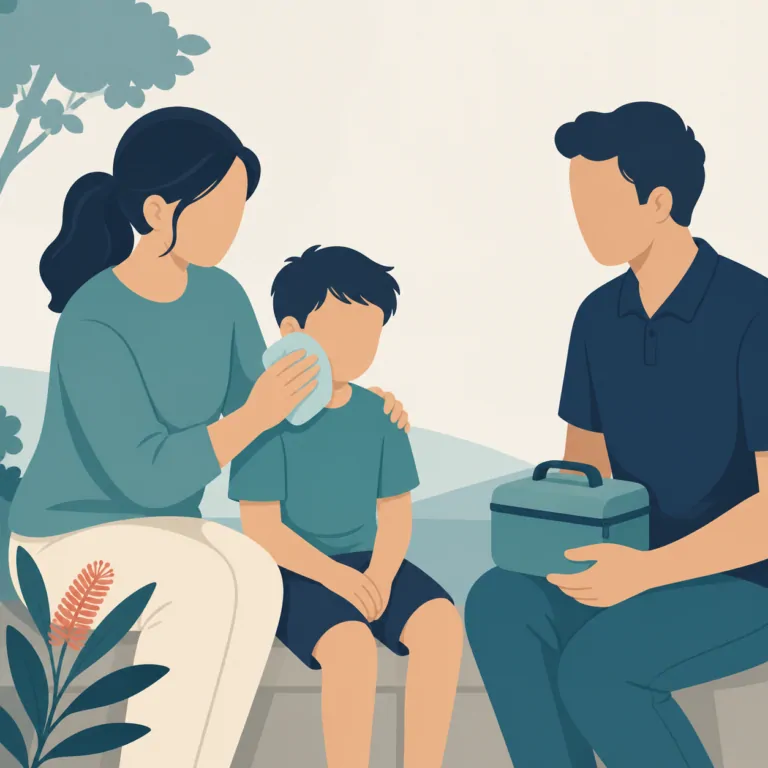
If you see someone is bleeding a lot, your main job is to help stop the bleeding. You can do this by applying pressure to the wound with a clean cloth or dressing. Pressing on the injury helps the blood vessels close and slow the bleeding.
Keep the person calm and still. Moving a lot or walking can make the bleeding worse. Raise the injured area above the heart if it can be done without hurting the person more. This helps reduce the blood flow to the injured area.
If the bleeding soaks through the cloth or bandage, do not remove it. Instead, add more cloth on top and keep pressing.
Be careful to protect yourself from blood by wearing gloves if available. If you do not have gloves, avoid touching the blood directly.
Call for Emergency Help
If the bleeding is heavy, if the person is losing a lot of blood, or if they start to feel faint or confused, call emergency services immediately by dialing 000. This is very important because ambulance staff can provide medical help right away and take the person to hospital.
Also call 000 if the bleeding does not stop, if the injury is from a serious accident, or if the person is very unwell.
Safety Tips Around Bleeding
Try to keep yourself safe. If blood is present, avoid touching it directly. Use protective gloves if you can. Clean your hands well after giving first aid.
Do not try to remove objects stuck in a wound, like glass or metal. This can increase bleeding. Instead, put pressure around the object and wait for help.
Do not give the person food or drink if they are feeling very unwell or losing a lot of blood, just keep them comfortable.
Remember, your calm and quick actions can help control bleeding and keep someone safe until the ambulance arrives.
Why Quick Action Matters
Bleeding can cause serious damage fast. The more blood lost, the less oxygen the body gets. This can stop organs like the brain and heart from working properly. Taking fast action to stop the bleeding helps keep the person’s blood moving and their body working.
Even if you are unsure, helping to put pressure on the bleed is very useful. Do not delay calling emergency services if you feel the bleed is serious.
Signs Someone Might Have Internal Haemorrhage
Sometimes bleeding happens inside the body, where you cannot see it. This can happen after falls, accidents, or injuries to the chest, belly or head.
The person may feel weak or dizzy, or complain of pain. They might have swelling or bruising in an area. They might look pale or cold and sweat a lot. If you think someone has internal bleeding, call 000 immediately. This is a medical emergency.
Remember, never ignore symptoms like sudden weakness, fast breathing, or confusion after an injury.
Summary
Haemorrhage means heavy bleeding from an injury or accident. It is important in first aid because heavy bleeding can quickly make someone very sick or worse.
First aid helps by stopping or slowing the bleeding with firm pressure and keeping the person calm and still. If bleeding is severe or the person looks unwell, call 000 straight away.
Protect yourself while giving first aid and never try to remove objects from a wound. Keep the injured area raised if possible.
With fast and careful help, you can reduce the risks of haemorrhage and support someone in an emergency until medical help arrives.