Safety Netting
Safety netting explains what to watch for after care, when to seek help again and who to contact. Learn the questions that make a follow-up plan clear.
Safety netting explains what to watch for after care, when to seek help again and who to contact. Learn the questions that make a follow-up plan clear.

A compression bandage is a must-have in first aid, helping to control bleeding and reduce swelling by applying gentle, firm pressure to injured areas. Whether dealing with a bruise, sprain, or cut, knowing how to use a compression bandage can make all the difference in keeping someone safe until medical help arrives.
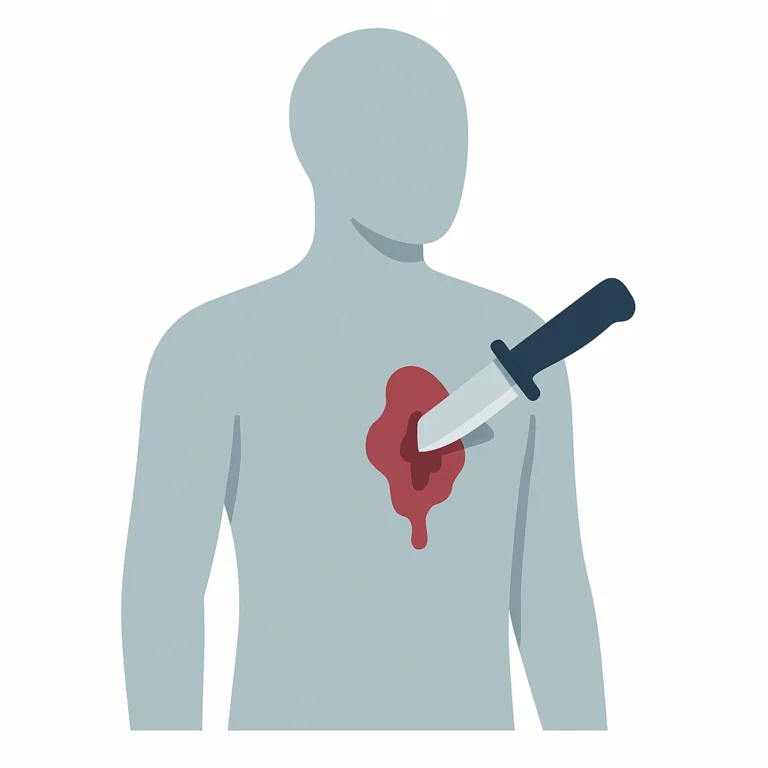
Penetrating trauma occurs when a sharp object pierces the skin, creating a deep wound that can damage vital organs and cause serious bleeding. Knowing how to respond calmly and safely is crucial to support the injured person until professional help arrives.
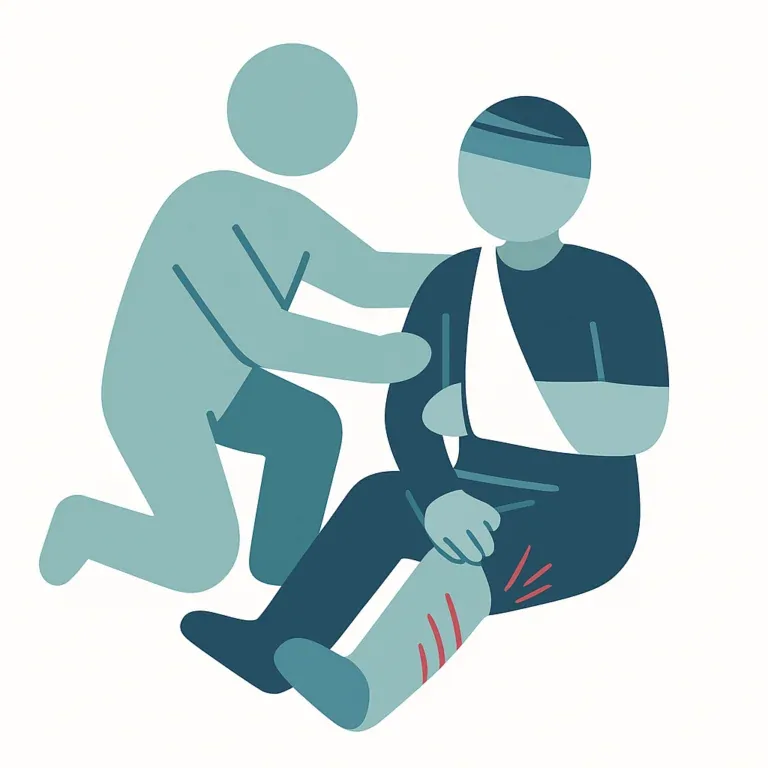
Managing multiple injuries requires a calm and careful approach to ensure each injury receives the right attention, prioritizing the most serious first to keep the person safe until help arrives. Whether it’s cuts, broken bones, or breathing difficulties, knowing how to handle multiple injury management can make all the difference in an emergency.
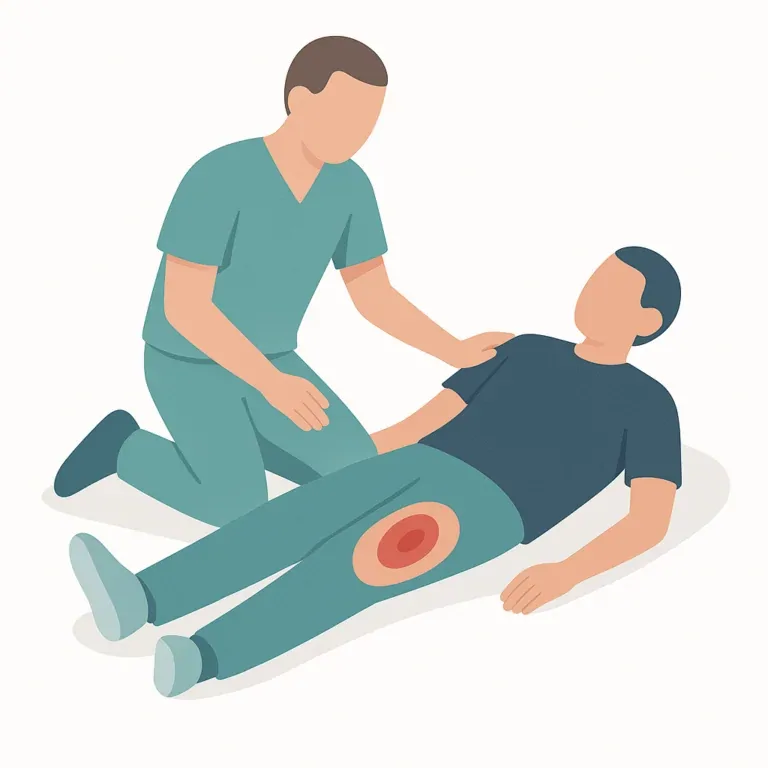
Trauma assessment is a crucial step in emergencies, helping you quickly identify serious injuries and decide the best first aid care. By carefully checking the whole body, you can spot life-threatening problems and act fast to keep someone safe.

Blood loss happens when blood flows out from a wound, and understanding it is key because your blood carries oxygen and nutrients that keep your body working. Learning how to stop bleeding quickly is vital in first aid to prevent serious complications and even save a life.

Exsanguination is a life-threatening condition where rapid and heavy bleeding can quickly drain the body of vital oxygen and nutrients. Understanding how to recognize and respond to exsanguination in first aid can make all the difference in saving a life.

Life-threatening bleeding happens when a large amount of blood leaves the body quickly, putting someones life at serious risk. Acting fast to stop the bleeding can make all the difference in keeping the person safe until help arrives.

Limb elevation is a simple yet effective first aid technique that involves raising an arm or leg above the heart to reduce swelling and pain. Whether at home or on the go, this easy step can speed up healing and make injuries more manageable.
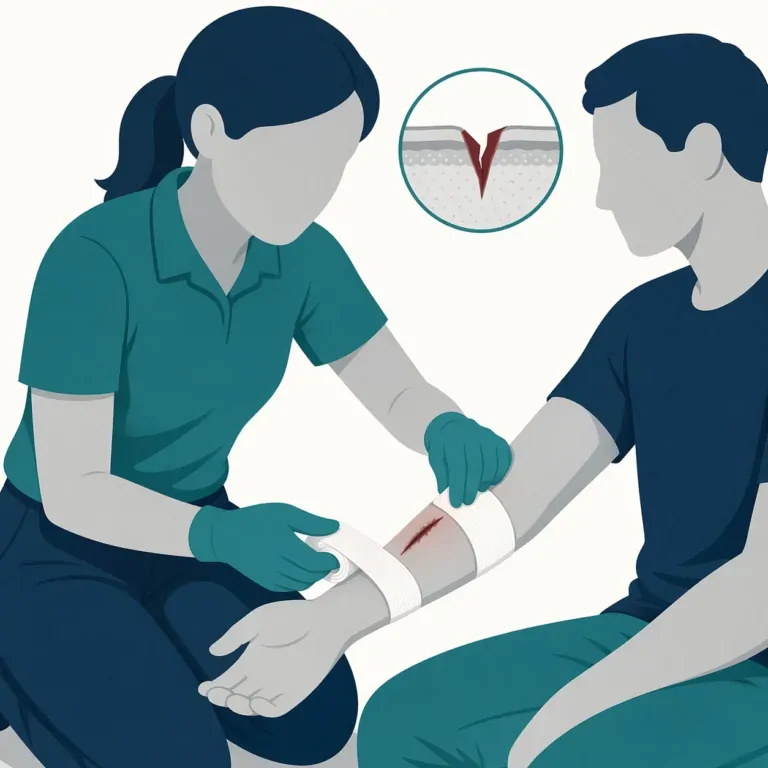
A laceration is a deep, open cut or tear in the skin caused by something sharp, and knowing how to treat it quickly is key to stopping bleeding and preventing infection. Whether from accidents at home or outdoors, understanding lacerations helps keep you and others safe.