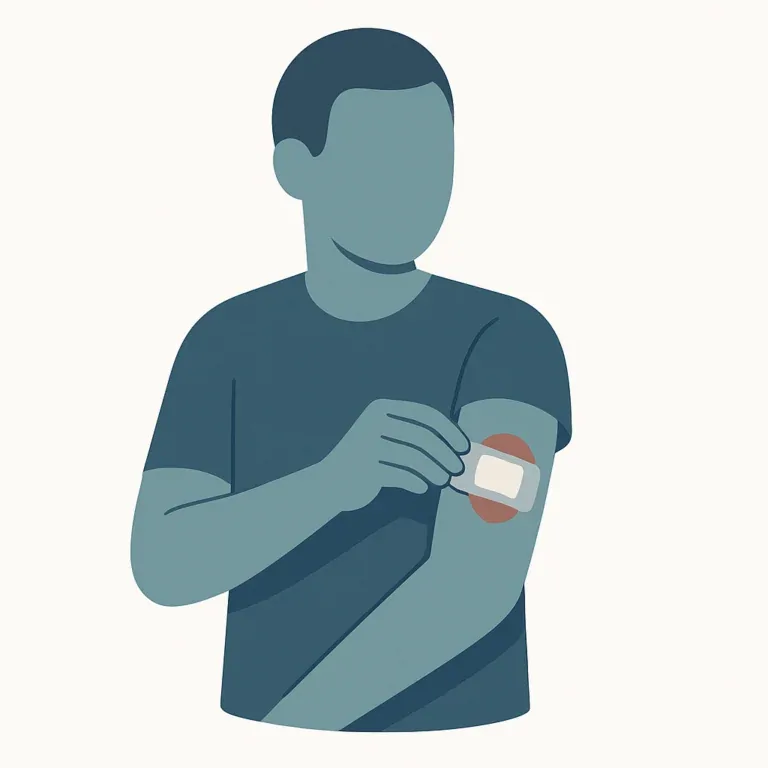


A compression bandage is a special type of bandage used in first aid to help stop bleeding, reduce swelling, and support injured body parts. It is a cloth or elastic wrap that you can wrap tightly around a wound or injury. The pressure it provides helps control bleeding by pressing on the injured blood vessels. Compression bandages are very important because they can help keep someone safe until professional medical help arrives.
When you hear about a compression bandage, it usually means there is a bruise, sprain, strain, or bleeding that needs gentle but firm pressure. The bandage works by squeezing the area slightly, which slows down blood flow and helps prevent swelling. This makes it easier for the body to heal. Compression bandages are helpful in many first aid situations, such as after a cut, a twisted ankle, or when someone is bleeding heavily.
Bleeding is one of the most common reasons to use a compression bandage. If someone is bleeding badly, it is very important to use a clean cloth or dressing to cover the wound first. Then, the compression bandage is wrapped tightly around the dressing to create pressure. This pressure helps to stop or slow the bleeding. It also helps keep the cloth or dressing in place so the wound stays clean.
Safety and prevention
Compression bandages can also be used to protect an injury like a sprain. A sprain happens when a joint, like your ankle or wrist, is stretched or twisted too far. When you wrap a compression bandage around the injured joint, it supports the area and reduces swelling. This makes moving the joint less painful. It also helps prevent the injury from getting worse.
When you apply a compression bandage, safety is very important. The bandage should be firm but not so tight that it stops blood from flowing. If the bandage is too tight, the fingers or toes below the bandage might look pale, feel cold, or go numb. If this happens, the bandage needs to be loosened straight away to avoid making the injury worse.
It is also important to keep the injured limb raised above heart level when possible. This helps reduce swelling and bleeding. Keeping the person calm and still also helps because moving too much might increase bleeding or cause more pain.
When to call 000
If someone has a serious injury with heavy bleeding that does not stop after using a compression bandage, or if the injury is deep, very large, or caused by a bad fall or accident, you must call emergency services straight away. In Australia, you should call triple zero (000) in these serious situations. Getting professional help quickly can save the person’s life.
Why it matters in first aid
There are many types of bandages, but compression bandages are special because they are made to stretch and provide pressure. They may look like a long roll of soft cloth or elastic material. When you buy or keep one for first aid, make sure it is clean and ready to use. Always wash your hands before touching the wound or bandage to stop infection.
Compression bandages can also be seen with other first aid supplies like wound dressings, plasters, or ice packs. They work together to protect injuries and help the healing process. For example, after placing an ice pack on a sprained ankle to reduce pain and swelling, a compression bandage might be wrapped around the ankle to keep the ice pack in place and add extra support.
In summary, a compression bandage is a useful first aid tool that helps control bleeding, reduce swelling, and support injured parts of the body. It works by applying gentle, firm pressure where it is wrapped. Using a compression bandage safely helps protect the injured person until they can get professional medical care. If there is serious bleeding or injury, always call 000 straight away.
Summary
Remember, never put a compression bandage on an injury without a clean dressing or cloth underneath. And always check that the bandage is not too tight. If the injured person shows signs of poor blood flow like coldness, numbness, or colour change in the fingers or toes, loosen the bandage carefully.
By understanding what a compression bandage is and how it works, you can feel more confident helping someone with a minor injury or bleeding. Taking quick, safe action in an emergency can make a big difference.
Sources reviewed
Reviewed against current Australian first aid and emergency guidance by the First Aid Glossary Editorial Team. This article is general information and does not replace emergency-operator directions, professional medical advice or hands-on first aid training.