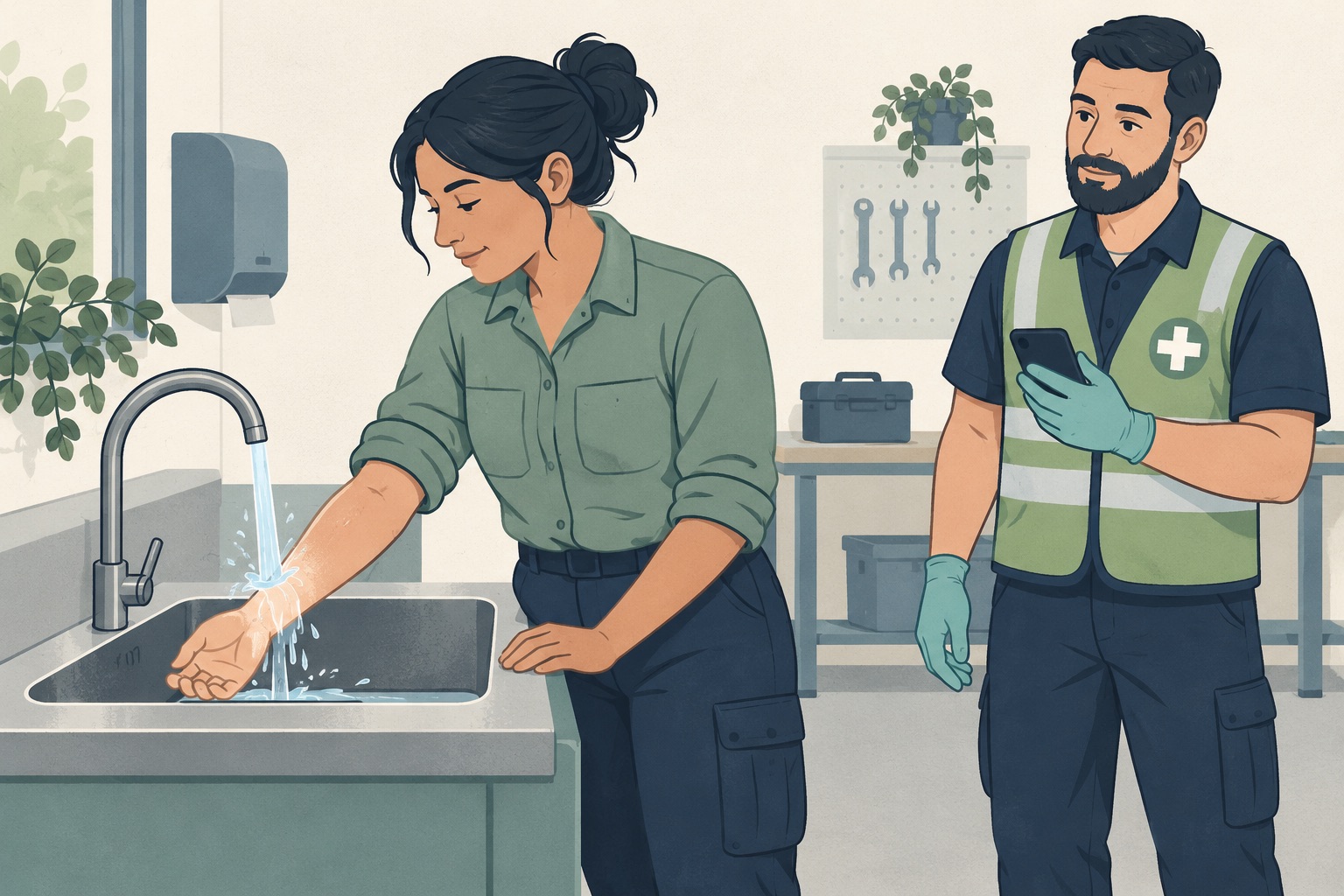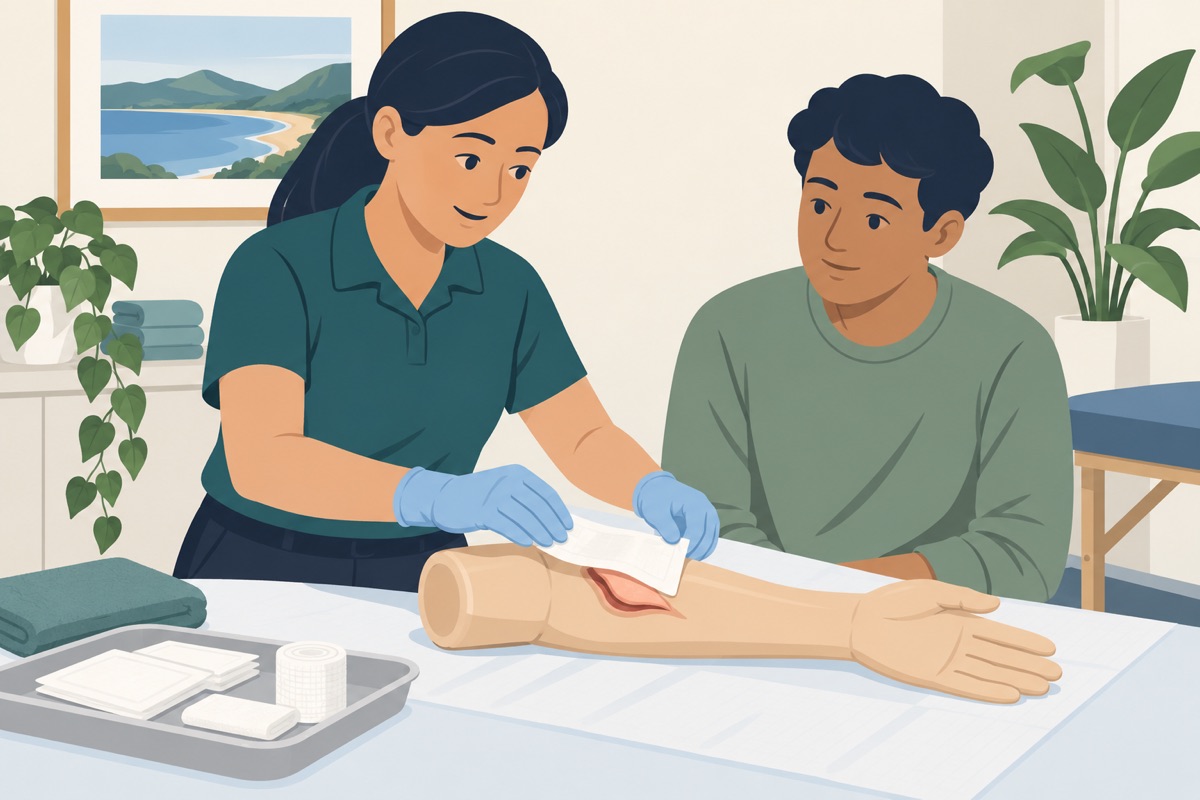
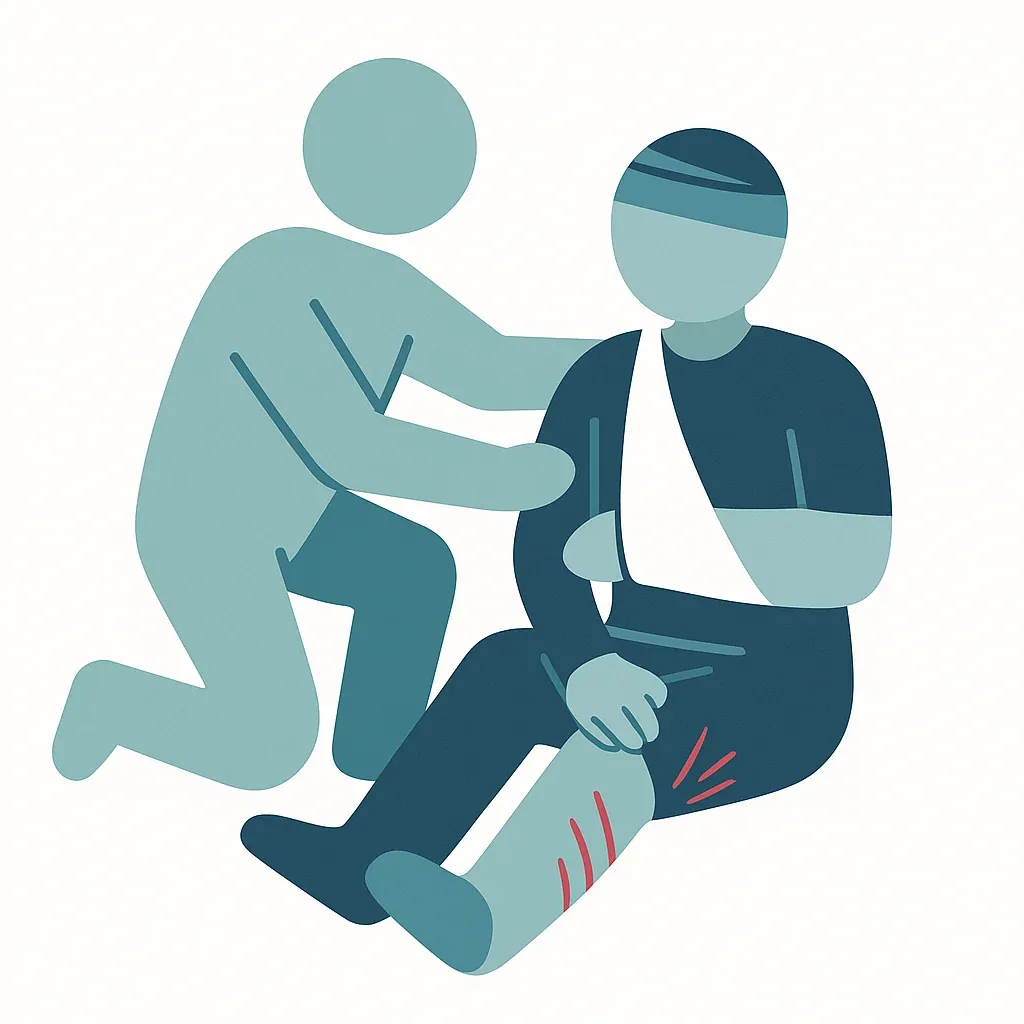

Multiple injury management means helping someone who has more than one injury at the same time. This can happen after accidents, falls, crashes, or other emergencies. In first aid, managing multiple injuries means checking the person’s condition carefully and making sure each injury gets the right kind of help. It is very important to act calmly and safely to avoid making the injuries worse.
When someone has multiple injuries, their body may be hurt in different ways. For example, they might have a broken bone, a cut that is bleeding, and a head injury all at once. Each injury needs attention, but first aid focuses on the most serious problems first. This is called prioritising. The goal is to keep the person as safe as possible and to get emergency help quickly.
When to call 000
The body can be affected in many ways when it has multiple injuries. Some injuries may cause pain, while others can be very dangerous. For example, heavy bleeding can lead to shock, which is when the body does not get enough blood and oxygen. This can be life-threatening. Difficulty breathing or unconsciousness are signs that the person needs urgent help. In any case where you are not sure, it is best to call emergency services straight away by phoning 000 in Australia.
When you find someone with multiple injuries, it is important to stay calm and check what is wrong. Look carefully at their head, neck, chest, arms, legs, and body for signs of cuts, bruises, broken bones, or bleeding. You may see blood or swelling, or notice that the person is very still or seems confused. Talking to the person and asking simple questions can help you understand how hurt they are. But do not move someone unless they are in danger where they are.
Safety and prevention
Safety is very important. Make sure the area is safe for you and the injured person. If there is traffic, fire, or another danger, wait for help or move the person only if you have no choice. Moving a person with possible broken bones or a neck injury can make things worse. Protect yourself with gloves if available, especially when there is bleeding.
The first aim in managing multiple injuries is to make sure the person can breathe. Check if they are breathing normally. If they are not breathing or have trouble breathing, get medical help immediately and begin basic life support if you know how. Next, look for serious bleeding. Heavy bleeding must be controlled quickly by applying firm pressure with a clean cloth or bandage. This helps the body keep enough blood.
After dealing with breathing and bleeding, check if the person is alert. If they lose consciousness, it is very serious and emergency services must be called. If the person is awake, keep them calm and still. Try to support any injured arms or legs in the position you find them. Do not try to straighten broken bones. Keep the person warm with a blanket or clothing to prevent shock.
Shock is a condition where the body is very weak and may feel faint, pale, or sweaty. The person might be confused or very thirsty. This can happen after serious injuries or heavy bleeding. Signs of shock are important to watch for because it can quickly get worse. Keep the person lying down if possible, and if they feel sick or dizzy, raise their legs slightly unless you think there is a spine injury.
When you see multiple injuries, it is always safest to call 000 to get emergency medical help. Give the operator clear information about what happened, how many injuries you see, and what the person’s condition is like. Keep talking to the injured person, giving reassurance and helping them stay calm while waiting for paramedics.
Do not give the person anything to eat or drink. There may be a need for surgery or other hospital treatments, and food or drink can cause problems during medical care. Also avoid moving the person unless absolutely necessary. Movement can cause more damage, especially with suspected neck, back, or head injuries.
Why it matters in first aid
If you need to provide first aid until help arrives, check the person regularly. Keep watching their breathing, level of consciousness, and look for any new bleeding or signs of pain. Stay near them and stay calm. Your calm presence can help reduce the person’s fear and pain during a scary time.
Summary
Multiple injury management is about staying safe, acting quickly and carefully, and getting professional help as soon as possible. It is never your job to fix all injuries but to keep the person stable, safe, and comfortable until experts arrive. Remember to always call 000 if someone is badly injured, has trouble breathing, loses consciousness, or shows signs of heavy bleeding.
By knowing how to manage multiple injuries, you can help save lives and reduce the chance of further harm. Being prepared to act calmly and sensibly is the best way to help in an emergency. If you ever find yourself in a situation with more than one injury, follow these key ideas: check the person’s safety and your own, look for life-threatening problems first, control bleeding, keep the person still and warm, and call emergency services right away. Doing this can make a big difference in helping someone until professional help arrives.
Sources reviewed
Reviewed against current Australian injury, first aid and emergency guidance by the First Aid Glossary Editorial Team. This article is general information and does not replace emergency-operator directions, professional medical advice or hands-on first aid training.