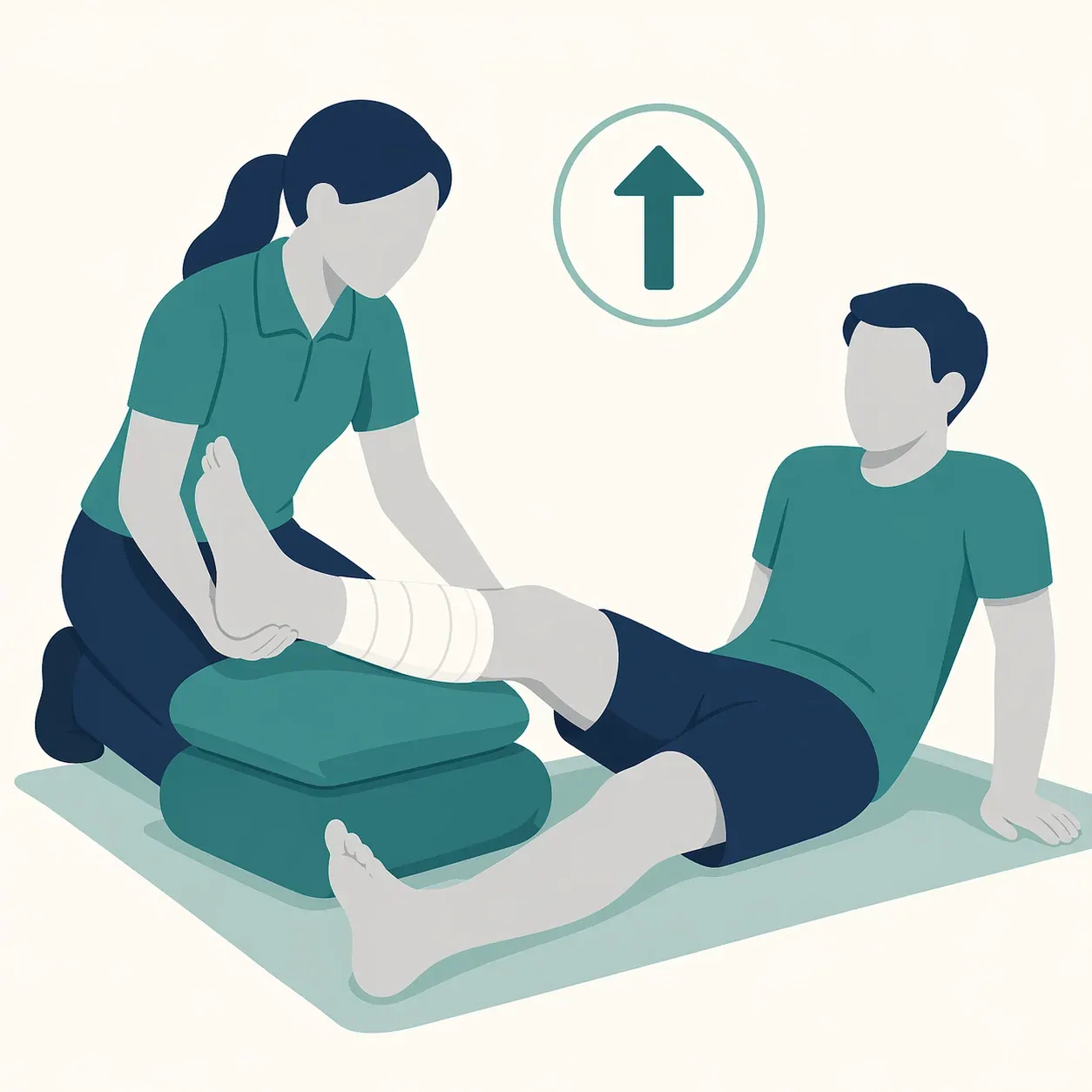

Limb elevation means raising an arm or a leg above the level of the heart. It is a comfort measure sometimes used for minor swelling after an injury. It is not a treatment to control bleeding. You might not hear the phrase “limb elevation” every day, but it is a helpful idea when someone hurts their arm or leg. This action can be done in many places, such as at home, at school, or outside. It is easy to do, but knowing why and how it works can make first aid better and more effective.
When someone is injured, their body reacts in ways to protect itself. Sometimes, the injured area swells up. Swelling means the body sends extra fluid to the injured spot. This is the body’s way of trying to heal and protect the area. Swelling can cause pain and make it hard to move the limb. Limb elevation helps reduce swelling by using gravity to slow down the flow of fluid. When a limb is raised above the heart, less blood and fluid collect there. This can help the injury feel better faster.
Why it matters in first aid
Limb elevation can be a comfort measure in some minor injuries, such as a sprain, when it does not cause pain or require moving a suspected fracture. For any bleeding, start with firm direct pressure on or around the wound and seek urgent help for severe bleeding. Do not rely on elevating a limb to control bleeding.
How limb elevation works depends on the body’s circulatory system. Blood moves through arteries to bring oxygen and nutrients to the body’s parts. It comes back to the heart through veins. If a limb is injured and left lower than the heart, blood can pool there. This causes pressure, swelling, and pain. By lifting the limb above the heart, gravity helps drain the extra blood and fluid back to the heart. This lowers pressure and swelling, making the injured area more comfortable.
For a minor injury, swelling, bruising or pain around an arm or leg may be reasons to make the limb comfortable and supported. Bleeding needs direct pressure rather than elevation. The limb may also look red or feel warm. Sometimes the skin changes colour and becomes pale or blue if circulation is poor. The person might have trouble moving the limb or feel a tingling or numbness. These signs mean the limb needs care and possibly elevation.
When to call 000
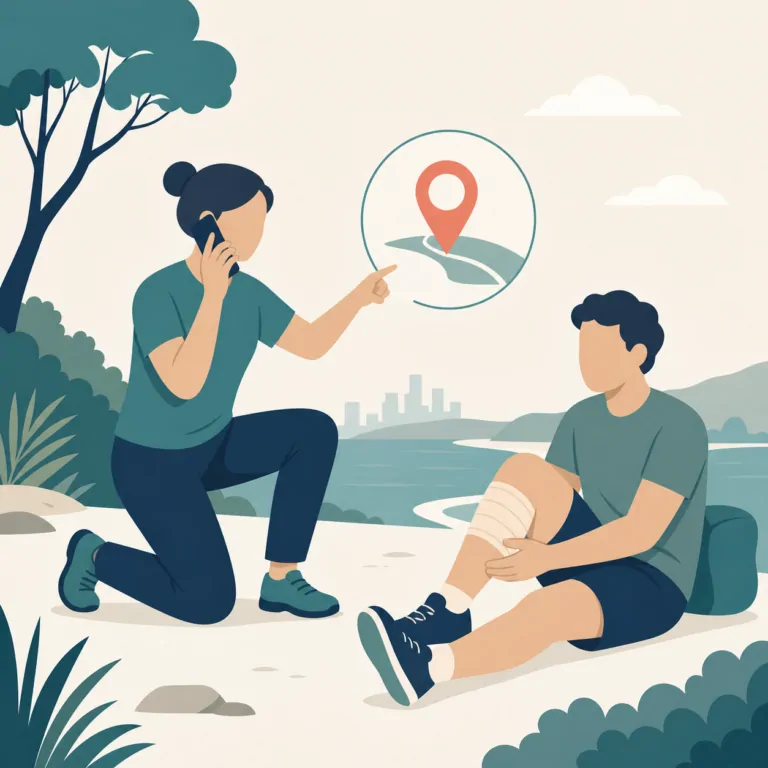
If it looks like there is a serious injury, it is important to call emergency services on 000 straight away. For example, if the limb is broken, badly bleeding, or looks deformed, professional help is needed quickly. Serious injuries can cause shock or other problems that need urgent treatment. Always remember to keep yourself and the injured person safe while helping.
When using limb elevation, it is best to do it gently and comfortably. Support the limb well so it stays up without causing pain. You can use pillows, blankets, or your hands to lift and hold the limb. Try not to move the injured limb too much if this causes pain or if the injury looks serious. The goal is to make the person feel better while waiting for medical help or until the injury heals.
For bleeding, use firm direct pressure with a clean cloth, pad or dressing and call 000 for severe bleeding. Do not delay bleeding control to elevate the limb. For a minor bump or bruise, support and rest may help comfort; avoid moving an injury that could be serious.
It is important to know that limb elevation is not always the best action for every injury. For example, if there is a broken bone and the limb looks badly out of place, do not try to straighten or move it too much. Instead, keep the limb still, support it in the position found, and wait for emergency help. Do not move or elevate a limb if doing so causes pain or could worsen a suspected serious injury.
Always check the injured person’s comfort and watch for signs that their condition might get worse. If the swelling or pain gets much worse, the person feels faint, or the limb changes colour or temperature, call emergency services on 000 right away. It is better to get medical help sooner than later in serious situations.
Summary
In summary, limb elevation means lifting an arm or leg above heart level. It may be a comfort measure for minor swelling when it does not cause pain, but it does not control bleeding. For bleeding, use direct pressure and seek urgent help when required. Limb elevation is easy to do and often works well with other first aid actions. It is an important skill to know for everyday accidents and injuries.
Remember, if you are unsure or the injury looks serious, call 000 for emergency help. Always keep the injured person safe and as comfortable as possible while waiting for help to arrive. Knowing about limb elevation can make first aid easier and less scary for everyone.
Related glossary terms: Soft Tissue Injury and Sprain.
Sources reviewed
Reviewed against Australian first aid and emergency guidance by the First Aid Glossary Editorial Team. This article is general information and does not replace emergency-operator directions, professional medical advice or hands-on first aid training.