Haemorrhage
Haemorrhage means heavy bleeding that can be life-threatening if not treated quickly. Understanding how to recognize and respond to haemorrhage is crucial for providing first aid and saving lives.

Haemorrhage means heavy bleeding that can be life-threatening if not treated quickly. Understanding how to recognize and respond to haemorrhage is crucial for providing first aid and saving lives.
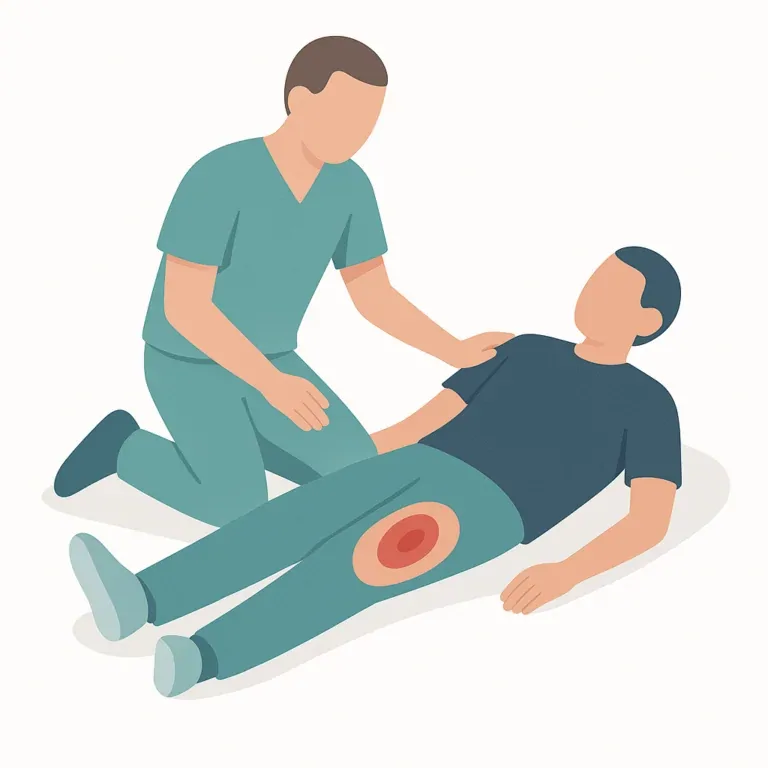
Trauma assessment is a crucial step in emergencies, helping you quickly identify serious injuries and decide the best first aid care. By carefully checking the whole body, you can spot life-threatening problems and act fast to keep someone safe.
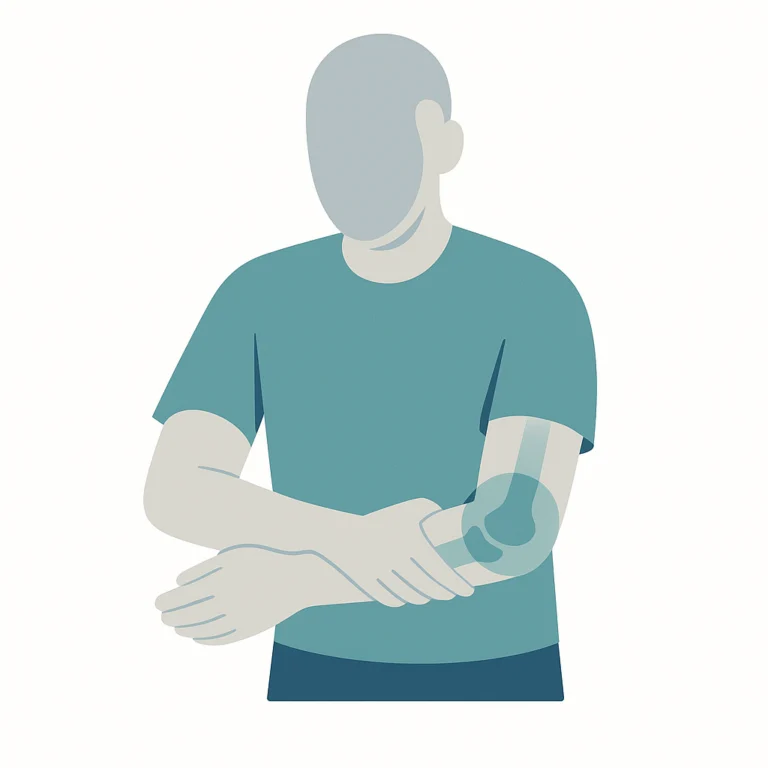
Joint stabilization is key to protecting injured joints like knees or elbows, helping to reduce pain and prevent further damage by keeping them steady until medical help arrives. Whether it’s a sprain, dislocation, or fracture, supporting the joint properly can make all the difference in recovery.

Limb elevation is a simple yet effective first aid technique that involves raising an arm or leg above the heart to reduce swelling and pain. Whether at home or on the go, this easy step can speed up healing and make injuries more manageable.
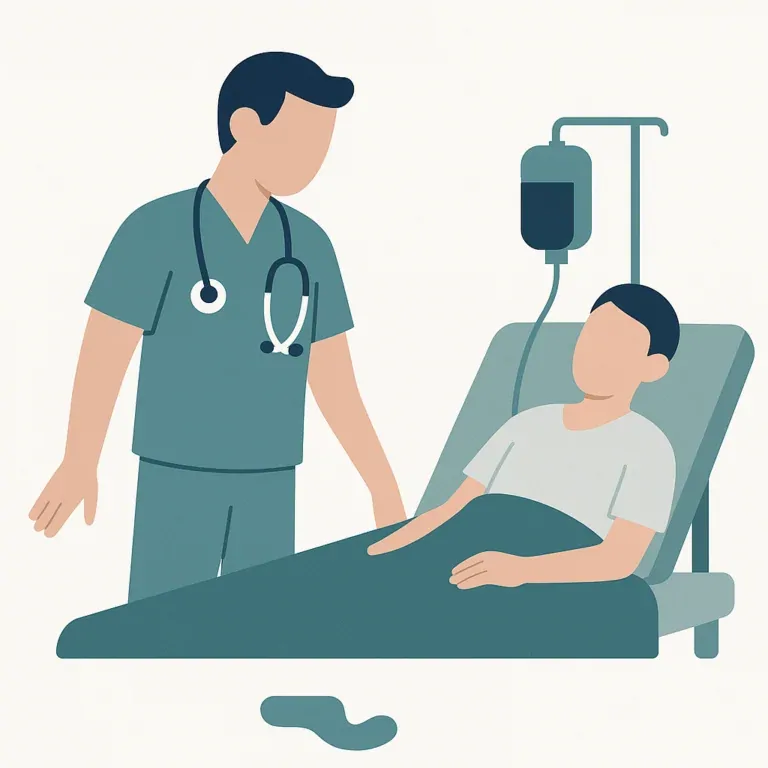
Negligence in first aid means failing to act carefully or responsibly when someone needs help, which can make a bad situation even worse. Understanding negligence is key to providing the right care quickly and keeping those who are hurt safe and comfortable.

Apnoea means breathing stops for a period of time. Learn what the term means and when to go to the main respiratory arrest first aid page.

Resuscitation means emergency actions used to help someone whose breathing or heartbeat has stopped. Learn what the term means and where to find the main practical pages.
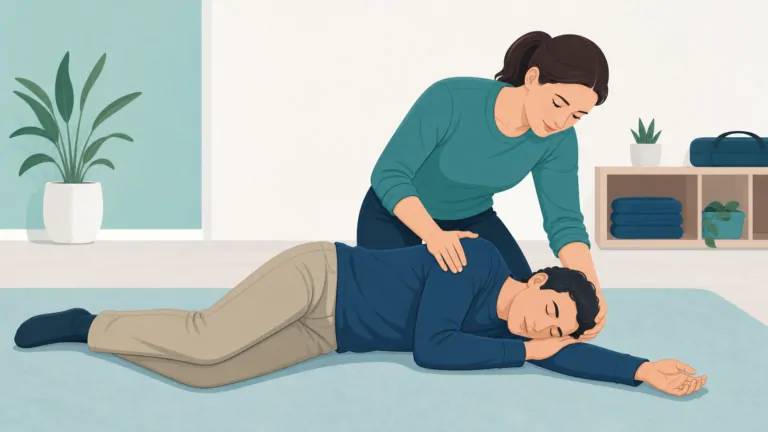
Recovery position means placing an unresponsive person who is breathing normally onto their side to help protect the airway. Learn when to use it and when CPR is needed instead.

Airway means the path air takes into and out of the lungs. Learn what the airway is, why it matters in first aid, and which airway pages to use next.

In first aid, shock means the body is not getting enough blood flow to vital organs. Learn the signs, common causes, and what to do first.