
- Calling Triple Zero definition
- When should you call Triple Zero (000)?
- Make the call from a safe place
- What happens when you call
- Stay calm, stay focused, stay on the line
- What to do while waiting for an ambulance
- Location: the detail that matters most
- If you have difficulty speaking or hearing
- Prepare before an emergency
- Common mistakes to avoid
- Related glossary terms
- Sources reviewed
Calling Triple Zero definition
Calling Triple Zero (000) means contacting Australia’s emergency call service to request police, fire or ambulance for a serious, urgent or life-threatening situation. The most useful call is calm, clear and focused: say which service is needed, give the exact location, describe what happened, answer the operator’s questions and stay on the line until you are told otherwise.
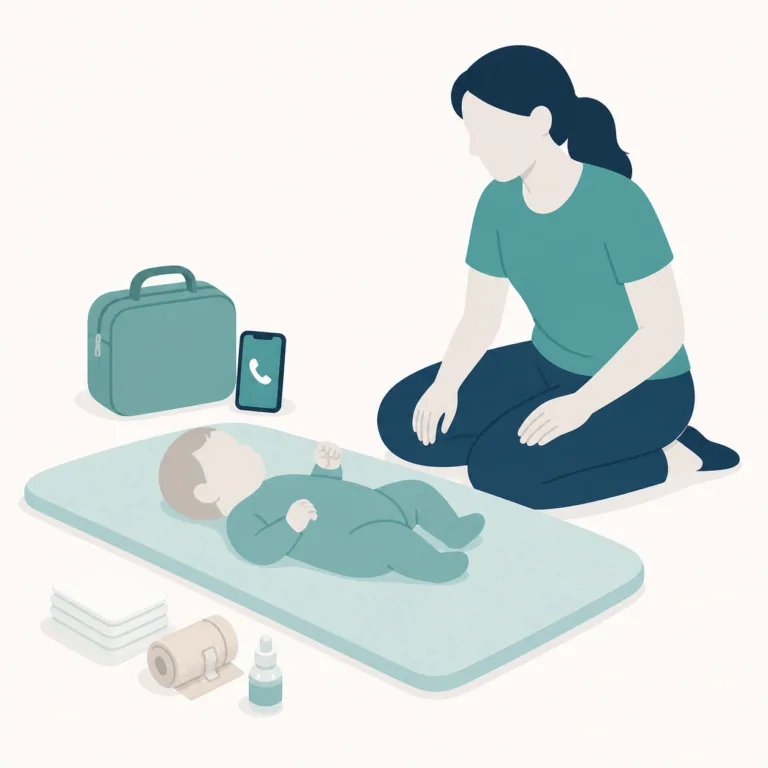
You do not need medical language or a perfect diagnosis. Operators need practical information: whether the person is conscious, whether they are breathing normally, whether bleeding is severe, what danger remains and exactly where to send help. Calling early is better than waiting for a condition to become unmistakably worse.
When should you call Triple Zero (000)?
Call 000 when someone is seriously injured or needs urgent medical help, life or property is in danger, or you have witnessed a serious accident or crime. For an ambulance, examples include an unresponsive person, someone not breathing normally, chest pain, major breathing trouble, stroke-like symptoms, a seizure, severe bleeding, a serious burn, a major fall, a serious vehicle crash or a rapidly worsening illness.
Triple Zero is not the place for routine appointments, minor symptoms, general advice or a non-urgent service request. If the situation is not serious and urgent, use an appropriate local service. In Australia, Healthdirect’s nurse advice line on 1800 022 222 can help direct non-emergency health concerns. Do not let uncertainty stop you from calling 000 when you believe someone’s life may be at risk.
If you are reading this during an emergency, stop reading and call Triple Zero (000) now.
Make the call from a safe place
First, make sure you are not placing yourself in danger. Move away from traffic, fire, electricity, violence, chemical fumes or an unstable structure if you can do so safely. Do not delay an emergency call because you are trying to manage every part of the scene alone. Put the phone on speaker where this helps you stay with the person and follow instructions.
Calls to Triple Zero are free in Australia. You can call from a fixed phone or mobile phone. From a mobile, 112 is an alternative emergency number, but 000 is the standard Australian emergency number. A mobile phone with no coverage from any network cannot connect, so send someone to find coverage or another phone if that is safe.
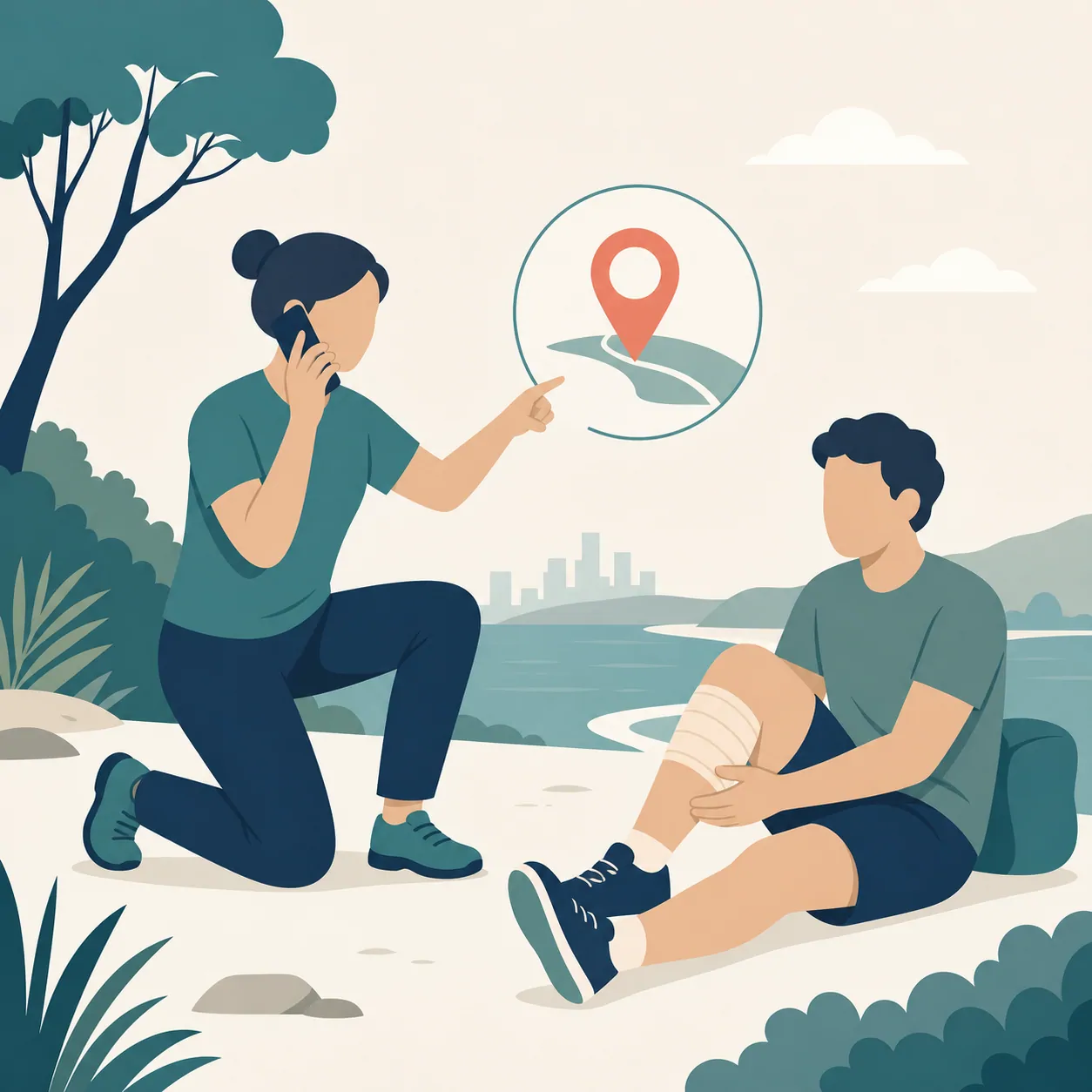
Emergency apps and phone location services can assist, but they do not replace giving the operator a clear location. Tell them the street number, street name, suburb or town, nearest cross street, landmark, building entrance, level, room number or rural property details. On a road, give the road name, direction of travel, last town, exit or kilometre marker.
What happens when you call
The first question is commonly which service you need: police, fire or ambulance. Say one clearly. In a complex incident, the operator can arrange the appropriate response; focus on the immediate danger and follow their questions.
For a medical emergency, the operator may ask what has happened, the person’s age, whether they are conscious and whether they are breathing normally. Answer honestly and briefly. “I don’t know” is acceptable if you do not know; do not guess. Describe what you can see: “She is not responding and is not breathing normally,” or “He has a deep cut and the bleeding is not stopping with pressure.”
Give your location early and repeat it if asked. If you are in a large venue, workplace, park, beach or rural property, arrange for someone to meet responders and guide them in. Unlock a gate if safe, turn on lights at night, keep a clear path and secure pets. These small actions can save valuable minutes.
Stay calm, stay focused, stay on the line
Speak slowly and clearly. Do not shout, argue or provide a long history unless asked. The operator’s questions are part of getting the right help to you. Stay on the line until they say you can disconnect. If you must leave the phone briefly to make the scene safe, tell them what you are doing if possible.
The operator may give instructions for first aid or CPR. Follow these exactly. If another capable person is present, divide tasks: one stays with the person, one makes the call, another collects an AED or first-aid kit, and another meets the ambulance. Do not assign tasks that put someone in danger.
If the person’s condition changes, tell the operator immediately. For example, if an unconscious person starts breathing normally, if severe bleeding stops or becomes worse, if a seizure ends, or if a new hazard appears. Keep observing; small changes may affect advice and response.
What to do while waiting for an ambulance
Give first aid only within your training and only when it is safe. For a person who is unresponsive and not breathing normally, call 000, start CPR and use an AED as soon as one is available. For severe bleeding, apply firm direct pressure with a clean dressing or cloth and keep it on while waiting. For a serious burn, cool it with cool running water and follow emergency advice.
Do not give food, drink or medicines to an unconscious, confused or seriously injured person unless an emergency operator or clinician tells you to do so. Do not move someone with a suspected neck, back or serious limb injury unless there is immediate danger. Keep them warm, reassure them and monitor their breathing.
For an asthma, anaphylaxis, diabetes or seizure emergency, follow the person’s written action plan if one is available and tell the operator what treatment has been given. Never use another person’s prescribed medicine without appropriate direction.
Location: the detail that matters most
People often assume their phone automatically gives a perfect location. Technology can help, but it is not always exact enough. Describe the location in words. For an apartment, include unit number, building name, floor and access instructions. For a shopping centre, include entrance, store, level and nearby landmark. For a hike, provide trail name, last sign, direction of travel, coordinates if available and a safe access point.
In rural areas, include the property name, road access, gate instructions, distance from the nearest town and landmarks. On a beach or waterway, describe the nearest access point, surf club, jetty, car park or distinctive feature. Send someone to guide responders if possible without leaving the casualty alone.
Before an emergency, save home, workplace, school and regular activity addresses in phones. Teach children their home address and the idea that 000 is for serious emergencies. Visitors and travellers should know that 911 does not route to emergency services in Australia.
If you have difficulty speaking or hearing
Tell the operator if you need an interpreter; the emergency service can organise one. Speak the key facts first: service needed and location. The national emergency text-based service 106 is available for people with speech or hearing impairment using appropriate compatible equipment; it is not a general SMS service. Check current accessibility arrangements and include them in a household or workplace emergency plan.
If a caller is too distressed to speak clearly, a calm bystander can take over. If you are alone, take a breath and give the location first. The operator is there to guide the call, not to judge you.
Prepare before an emergency
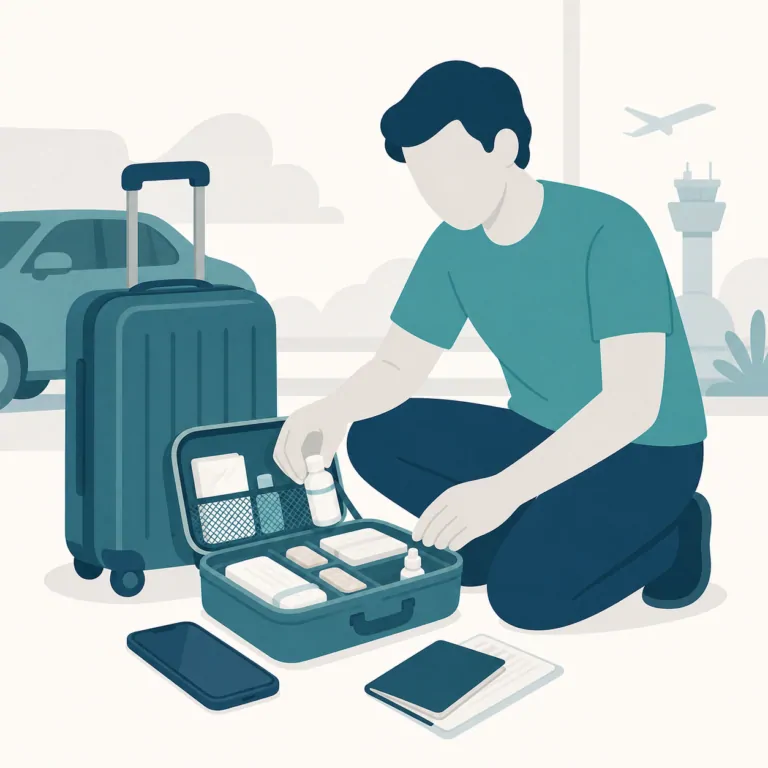
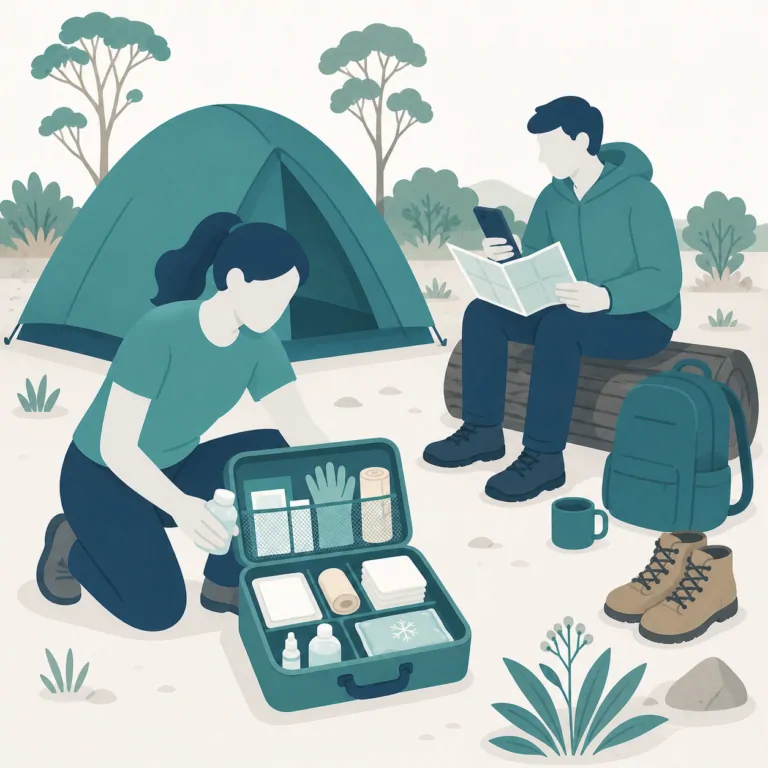
Keep a charged phone accessible, display the address at home and work, and make sure children and visitors can describe where they are. Create an emergency action plan for your workplace, sport club or family. Include first-aid kit and AED locations, relevant medical action plans, meeting points, key contacts and responsibilities for directing emergency services.
At events, identify access points before an incident. At a workplace, ensure addresses, building numbers and emergency contacts are easy to find. Preparation reduces panic and makes a difficult call more efficient.
Common mistakes to avoid
Do not hang up after saying “send help.” Do not use 000 for non-urgent problems. Do not rely entirely on a phone map. Do not move an injured person unnecessarily. Do not wait for a relative, manager or insurer to agree before calling when a life-threatening emergency is occurring.
Do not call the service “Triple Oh,” which can cause confusion on some keypads. Say and dial “Triple Zero (000).” Keep the call relevant to the emergency and follow the operator’s direction.
Related glossary terms
Sources reviewed
- Triple Zero: official emergency calling guidance
- Healthdirect: calling Triple Zero (000)
- Healthdirect: first aid basics
- Emergency+ app
Reviewed against Australian first aid and emergency guidance by the First Aid Glossary Editorial Team. This article is general information and does not replace emergency services, professional medical advice or hands-on first aid training.