First Aid Glossary Editorial Team

First Aid Glossary Editorial Team

The First Aid Glossary Editorial Team produces plain-English explanations of first aid and emergency terminology for Australian readers. Articles are reviewed against recognised Australian guidance, including ANZCOR, Healthdirect Australia and Triple Zero, and are updated as guidance changes.

CPR Face Mask

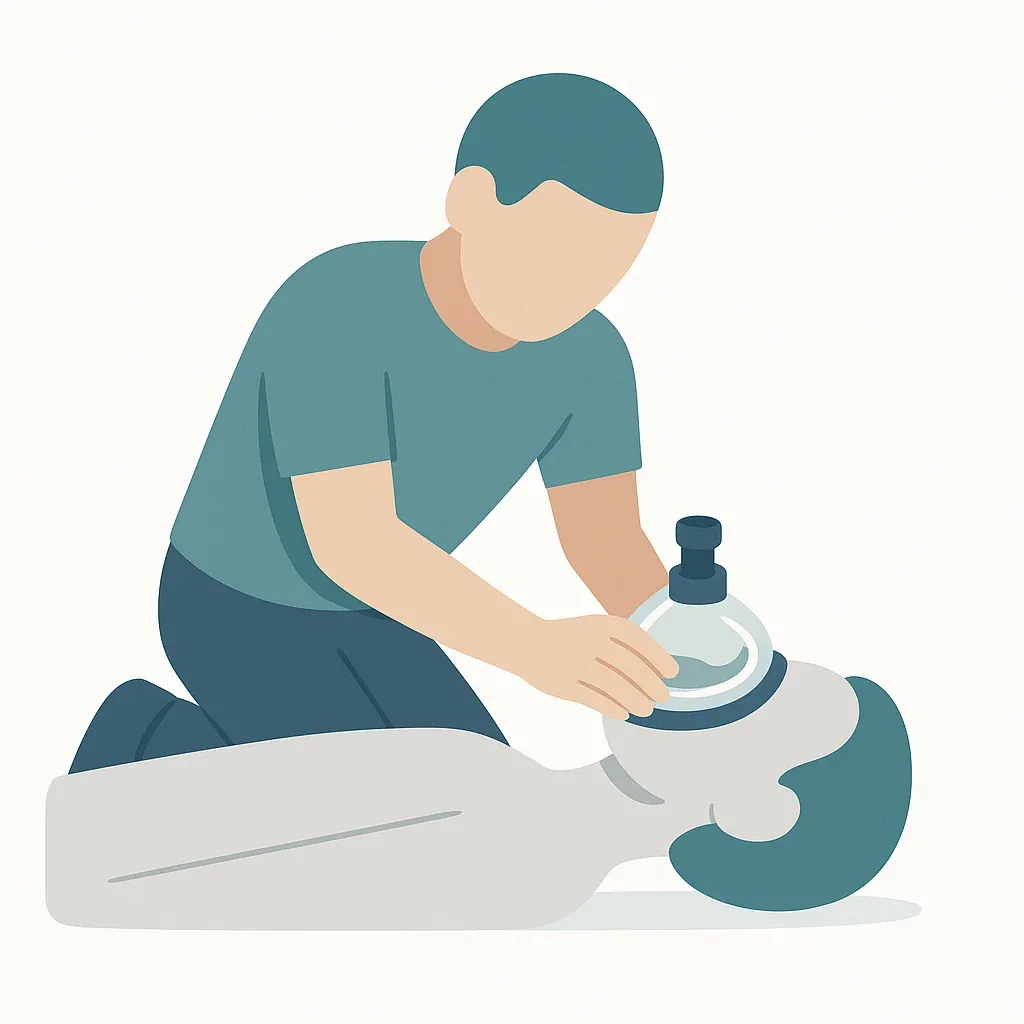
Illustration of CPR Face Mask

A CPR face mask is a small but vital tool that makes giving rescue breaths safer and easier during an emergency, protecting both the first aider and the person in need. By using this mask, you can help deliver lifesaving oxygen while reducing the risk of spreading germs.

Heat Exhaustion

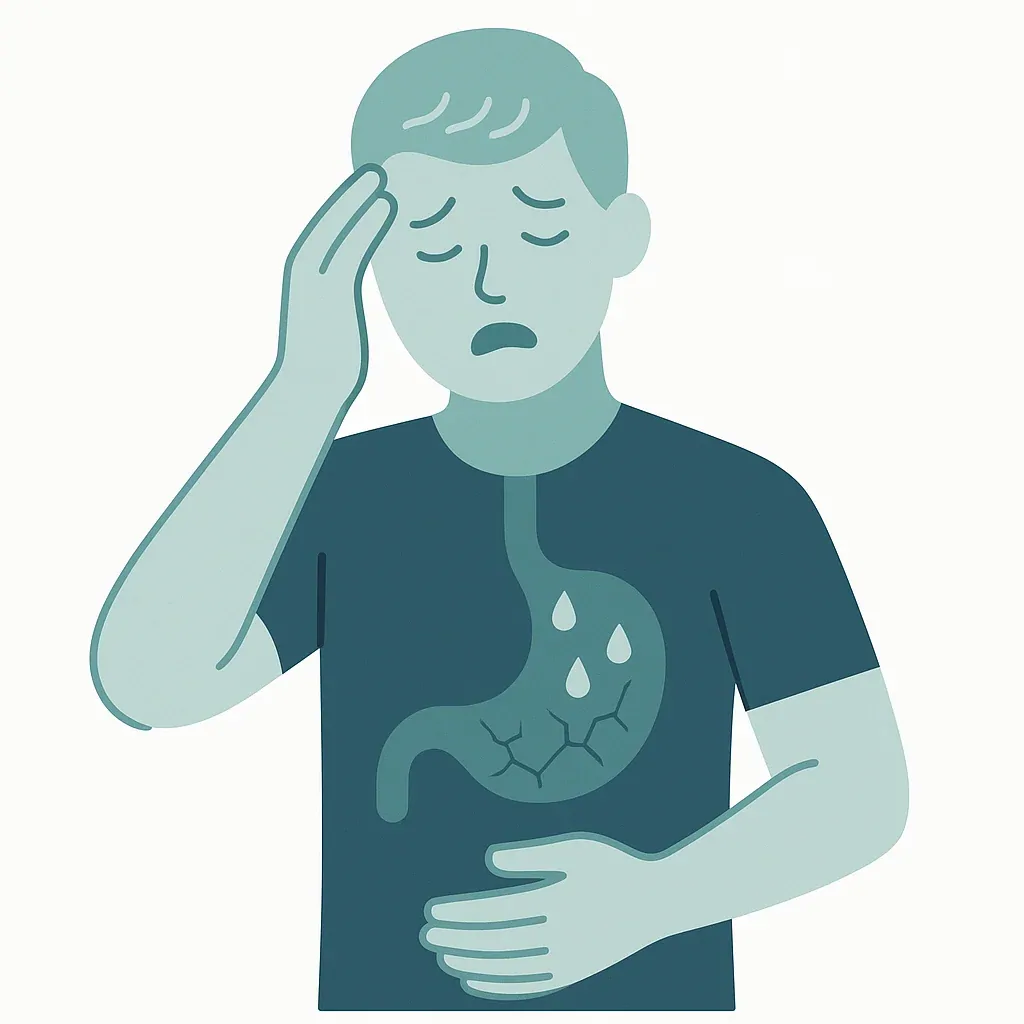
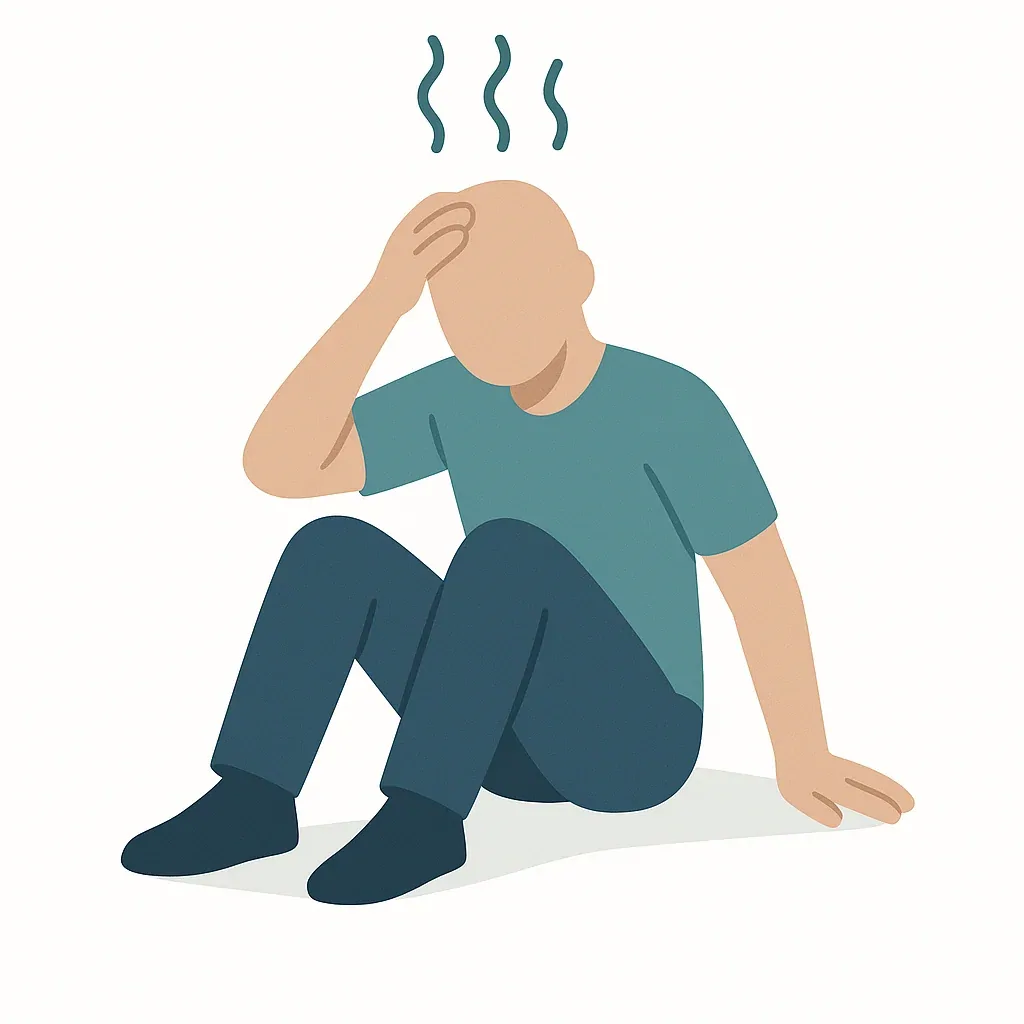
Illustration of Heat Exhaustion

Heat exhaustion occurs when your body overheats and struggles to cool down, often after spending too much time in the sun or doing intense activity without enough water. Recognizing the signs early and knowing how to respond can help prevent more serious heat-related illnesses.

Soft Tissue Injury

Illustration of Soft Tissue Injury

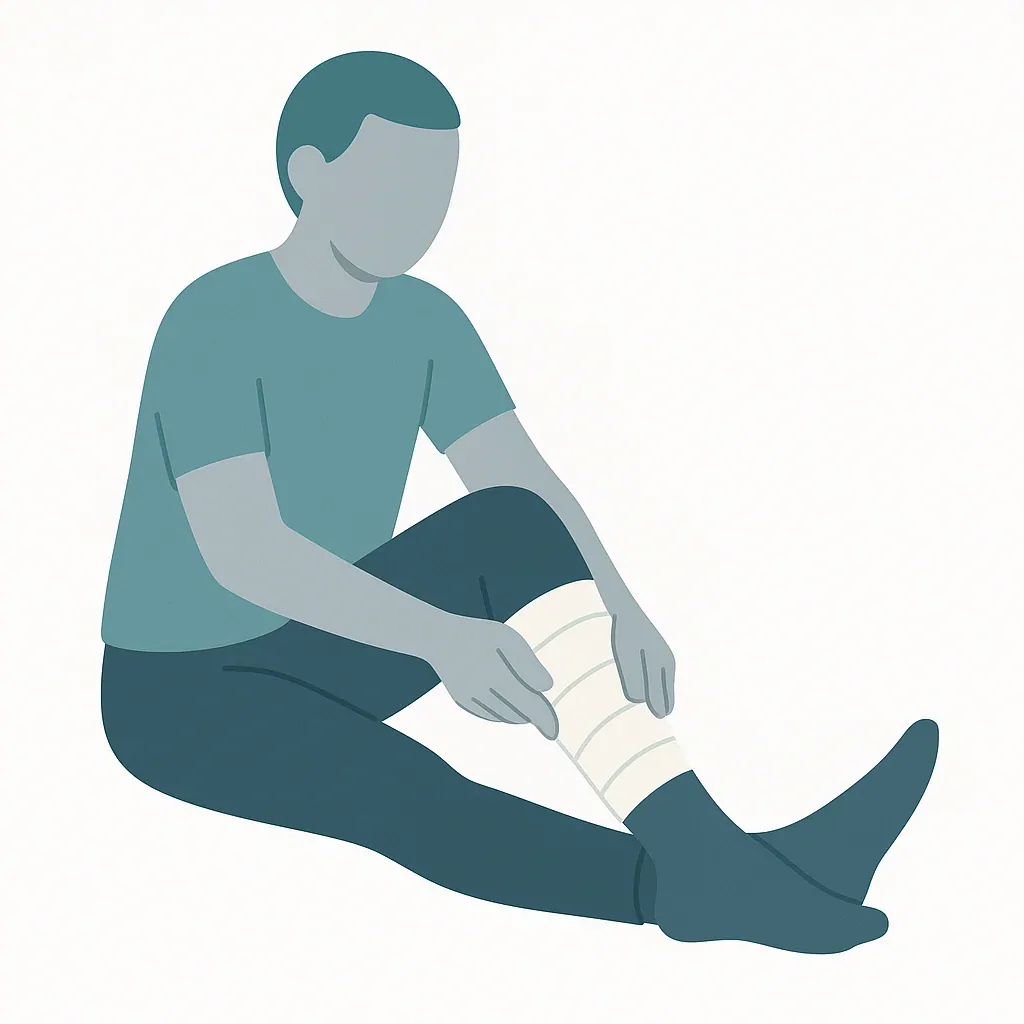
Soft tissue injury affects muscles, ligaments, tendons, and skin, often causing pain, swelling, and bruising after everyday bumps, falls, or sports mishaps. Understanding how to identify and care for these injuries can speed up healing and prevent further damage.

Strain

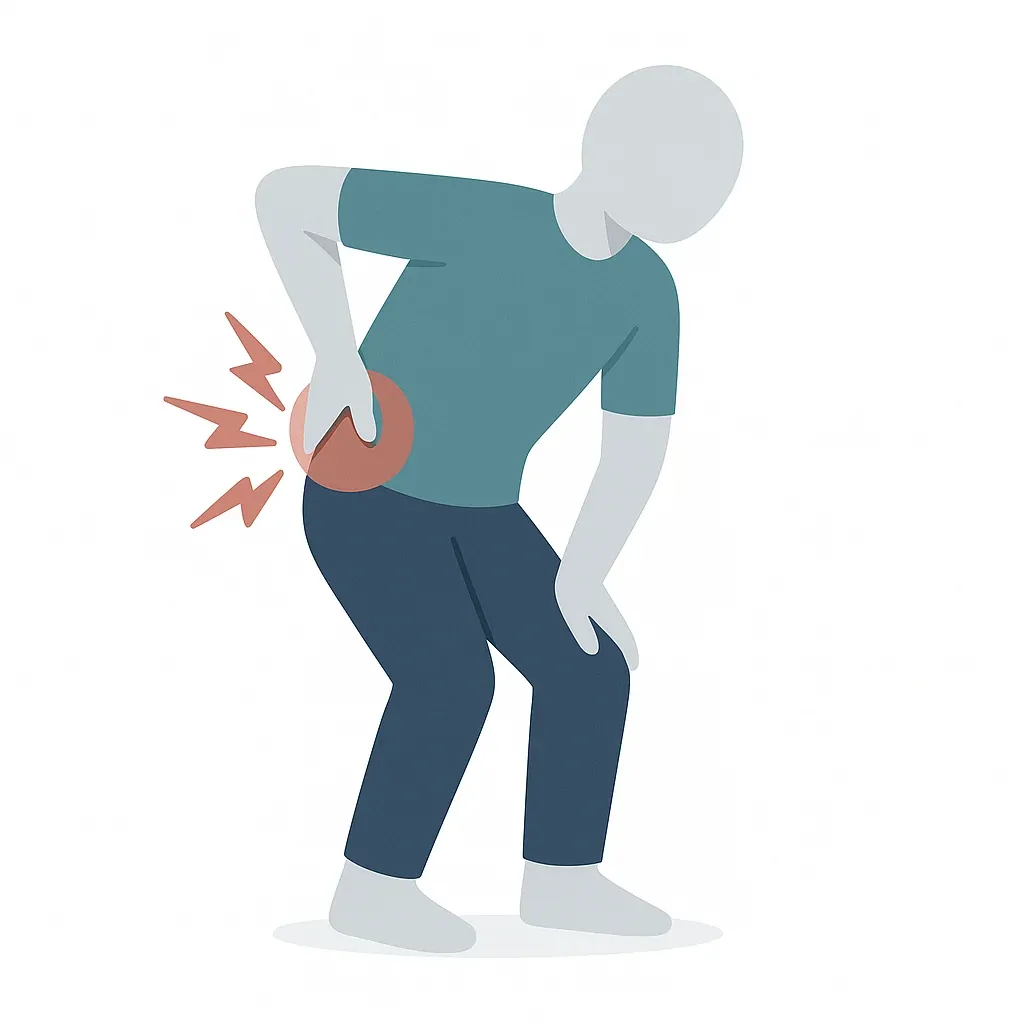
Illustration of Strain

A strain happens when muscles or tendons are stretched or torn, often causing pain and swelling, especially after heavy lifting or sudden movements. Knowing how to recognize and care for a strain can make all the difference in easing discomfort and preventing further injury.

Sprain

Illustration of Sprain

A sprain happens when ligaments—the tough bands that connect bones and keep joints stable—are stretched or torn, often causing pain, swelling, and limited movement. Knowing how to recognize and treat a sprain quickly can make a big difference in recovery and prevent further injury.

Dislocation

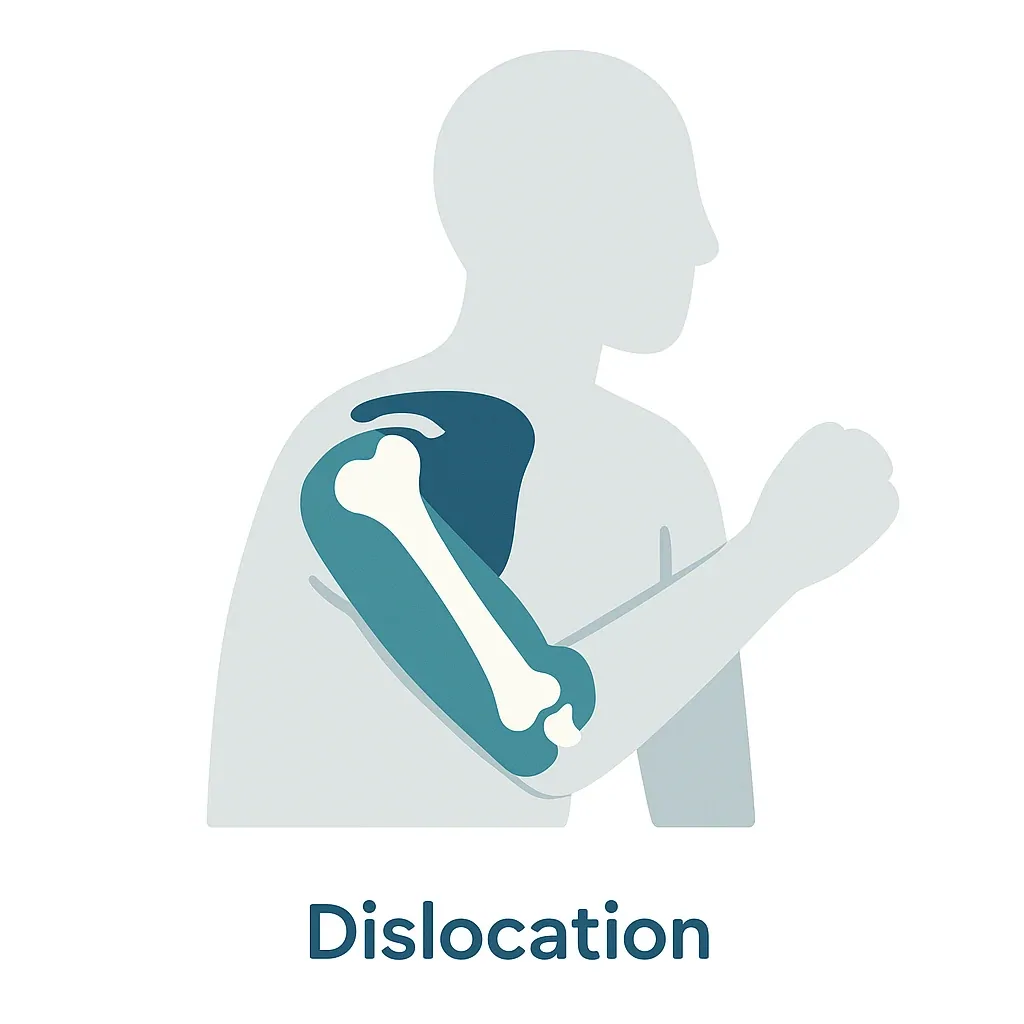
Illustration of Dislocation

A dislocation happens when bones in a joint slip out of their normal position, causing sharp pain and difficulty moving the area. Knowing how to recognize and respond to a dislocation can help prevent further injury until professional care is available.