Unconscious
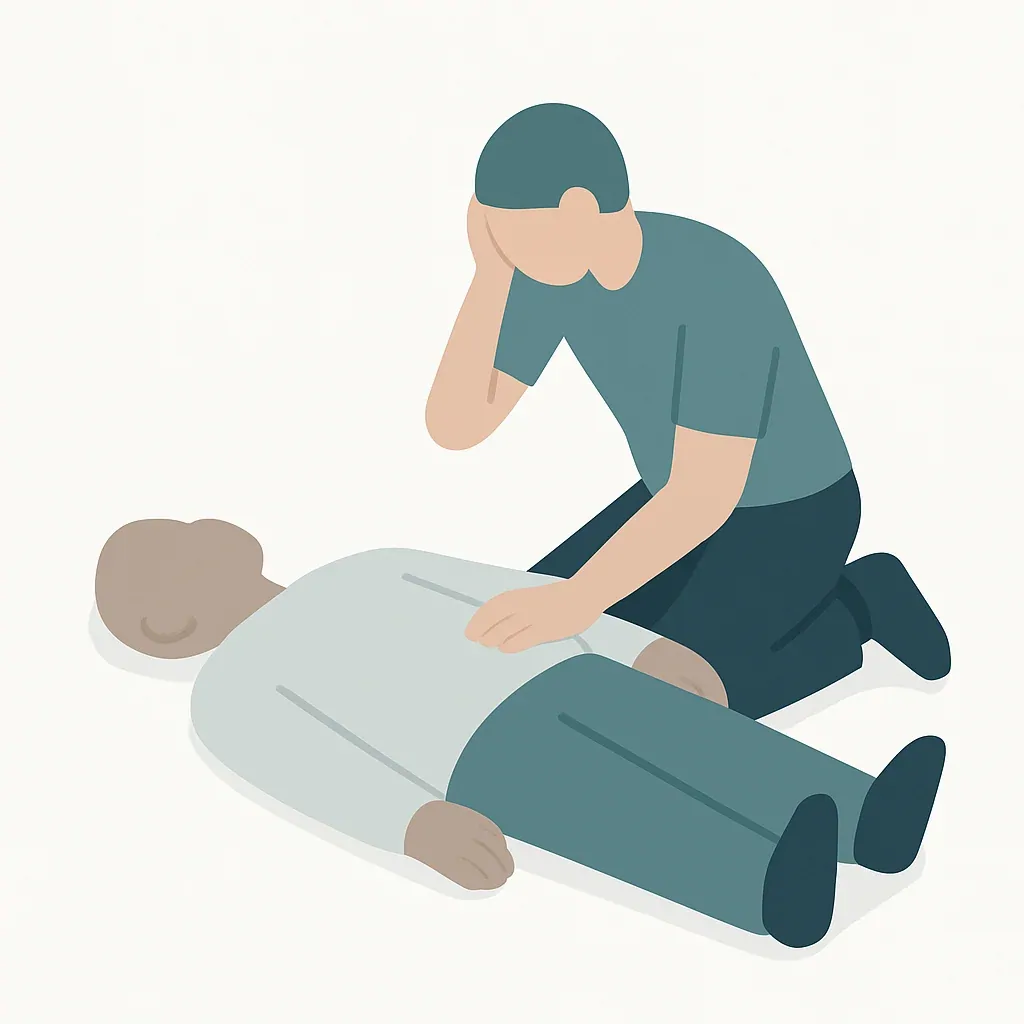
Unconscious means a person is not awake and cannot respond. Learn how this term relates to unresponsive, recovery position, and CPR in first aid.


Unconscious means a person is not awake and cannot respond. Learn how this term relates to unresponsive, recovery position, and CPR in first aid.
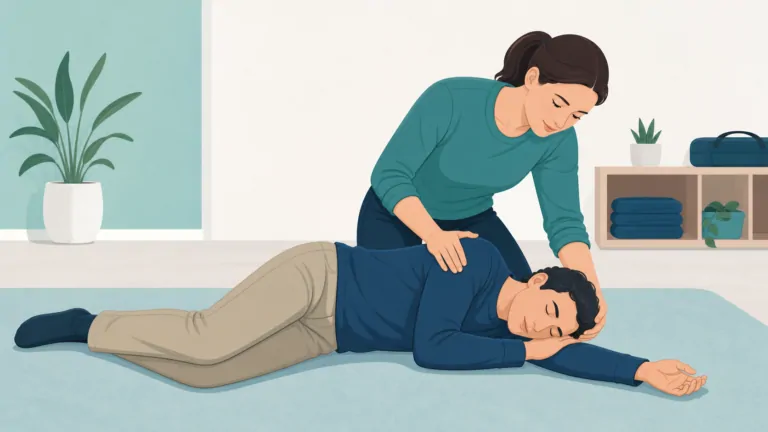
Recovery position means placing an unresponsive person who is breathing normally onto their side to help protect the airway. Learn when to use it and when CPR is needed instead.
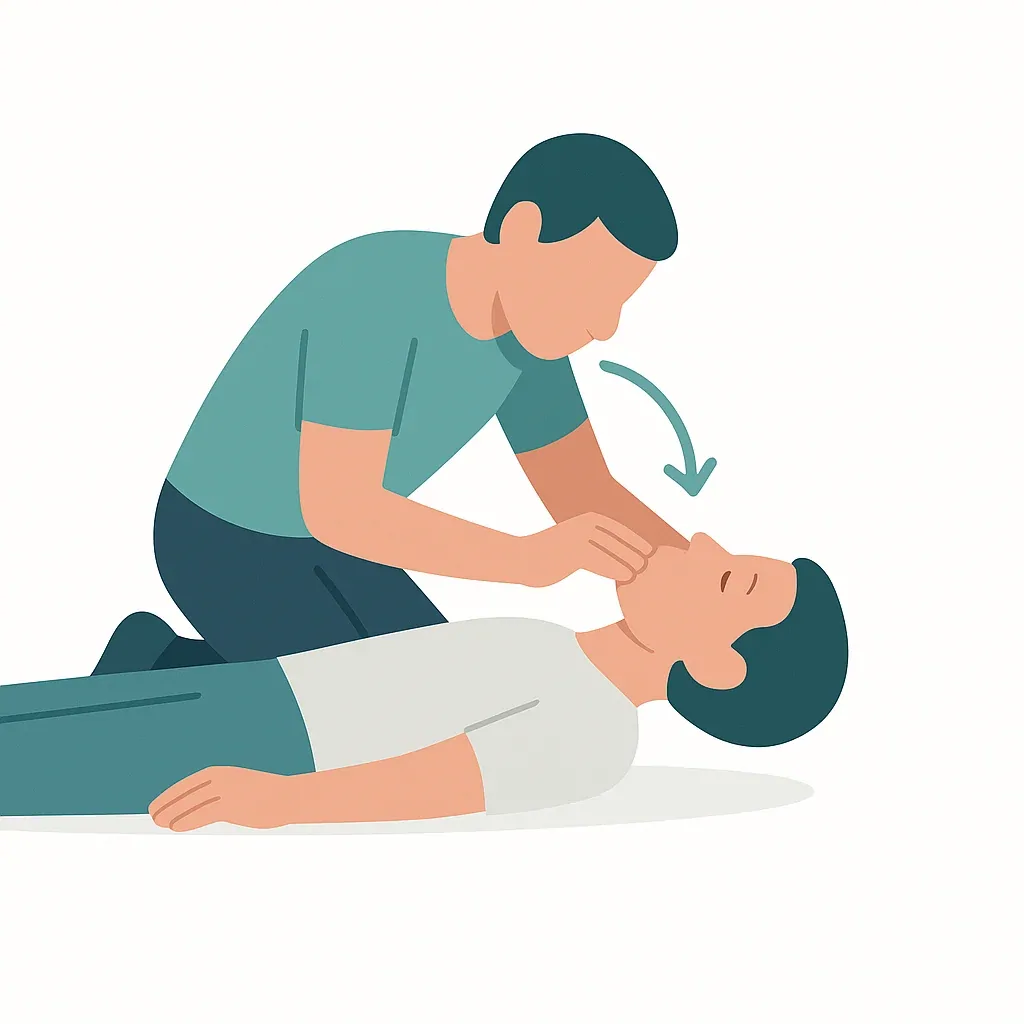
Rescue breaths means giving breaths to help move air into someone’s lungs. Learn how rescue breaths fit with CPR and when full resuscitation is needed.
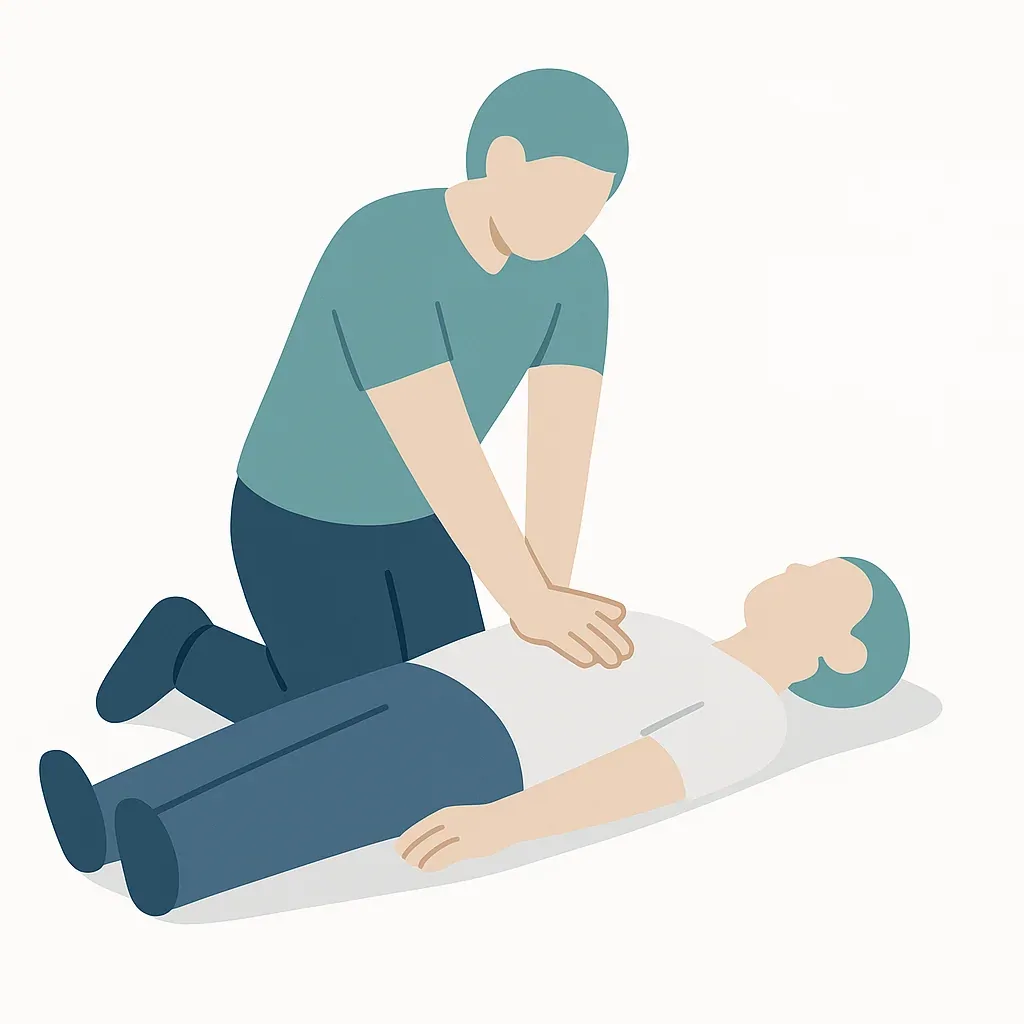
Chest compressions are the main pumping action used during CPR. Learn when to start chest compressions, why they matter, and how they fit into the early emergency response.

Breathing means moving air in and out of the lungs. Learn what normal and abnormal breathing can look like in first aid and what to do next.

Airway means the path air takes into and out of the lungs. Learn what the airway is, why it matters in first aid, and which airway pages to use next.

In first aid, shock means the body is not getting enough blood flow to vital organs. Learn the signs, common causes, and what to do first.
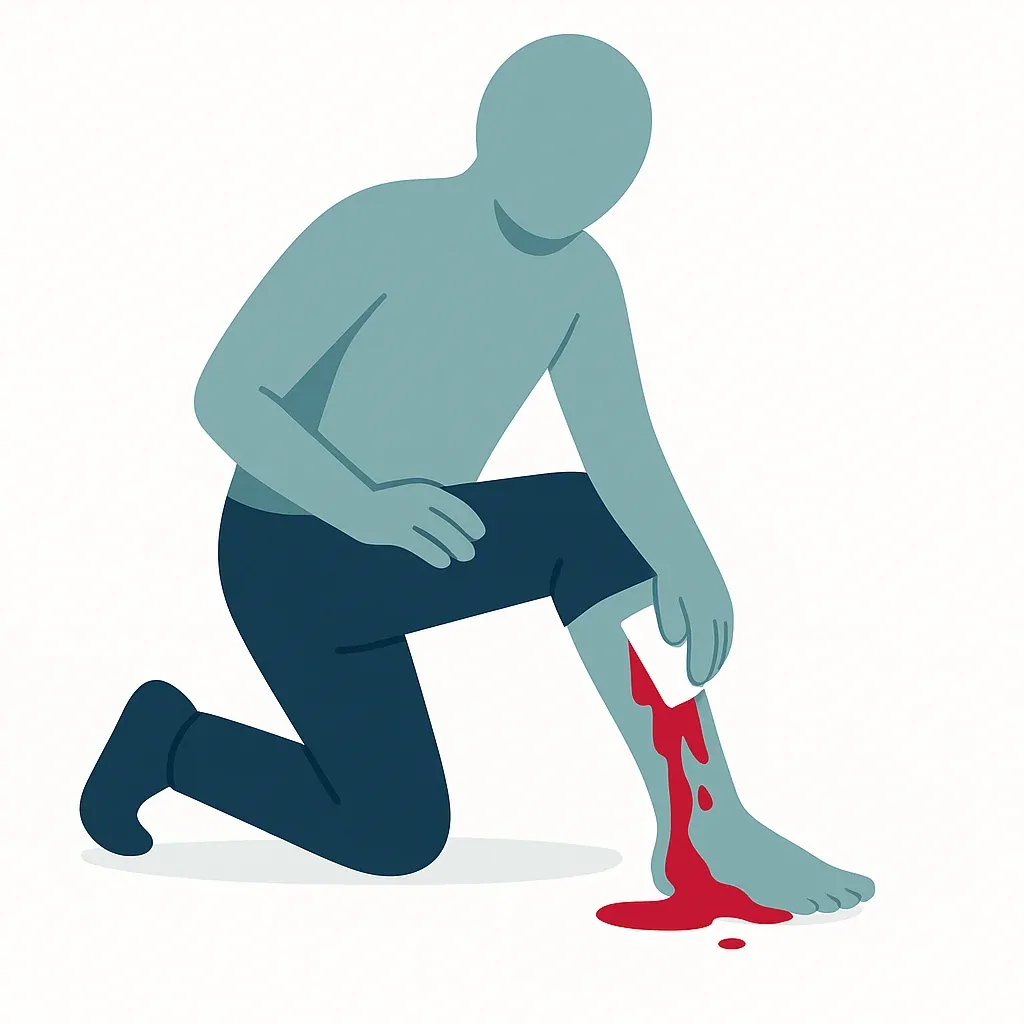
Severe bleeding is a serious emergency where a large amount of blood quickly leaves the body, and knowing how to respond fast can make all the difference in saving a life. Whether from a deep cut or a bad injury, recognizing the signs and acting quickly is crucial.
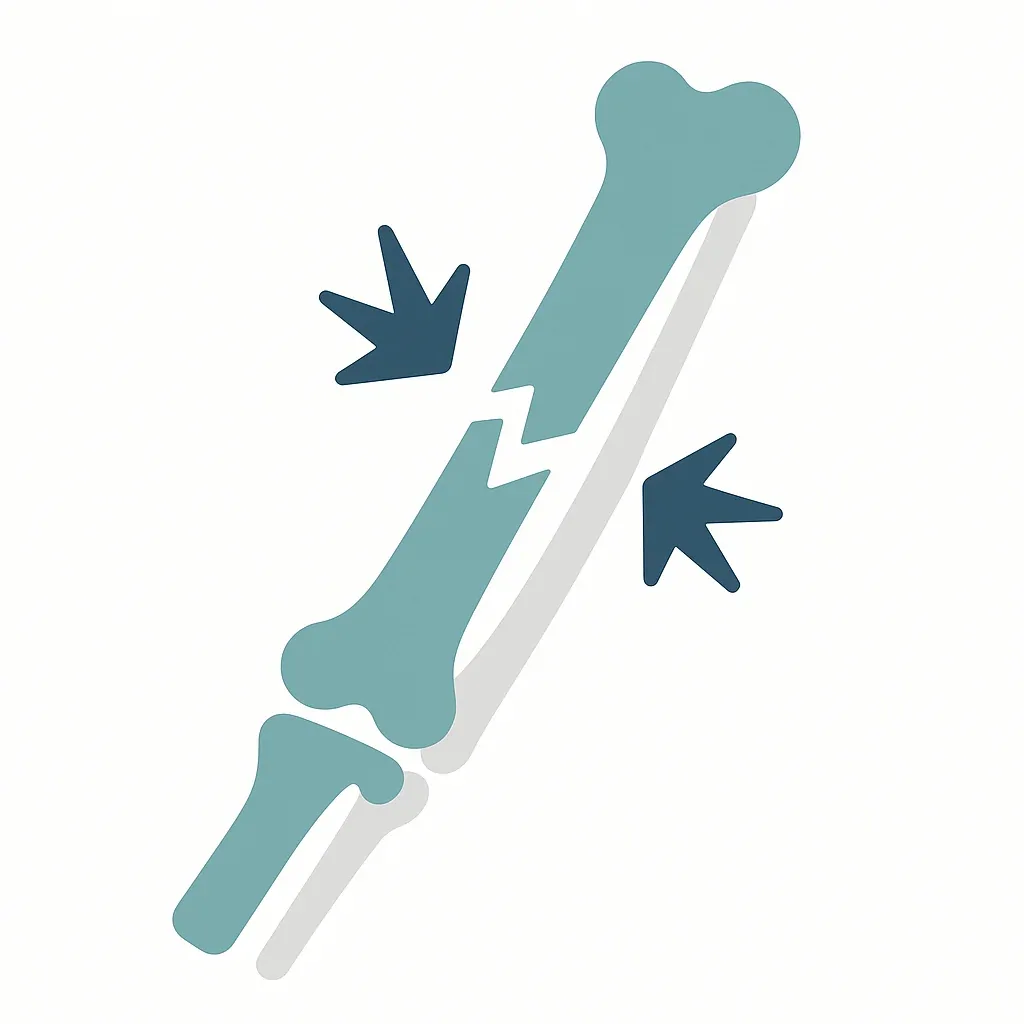
A fracture is a break or crack in a bone caused by a strong impact, and recognizing its signs—like pain, swelling, or deformity—can help you respond quickly and safely. Understanding what a fracture is and how to act can make all the difference in providing effective first aid.
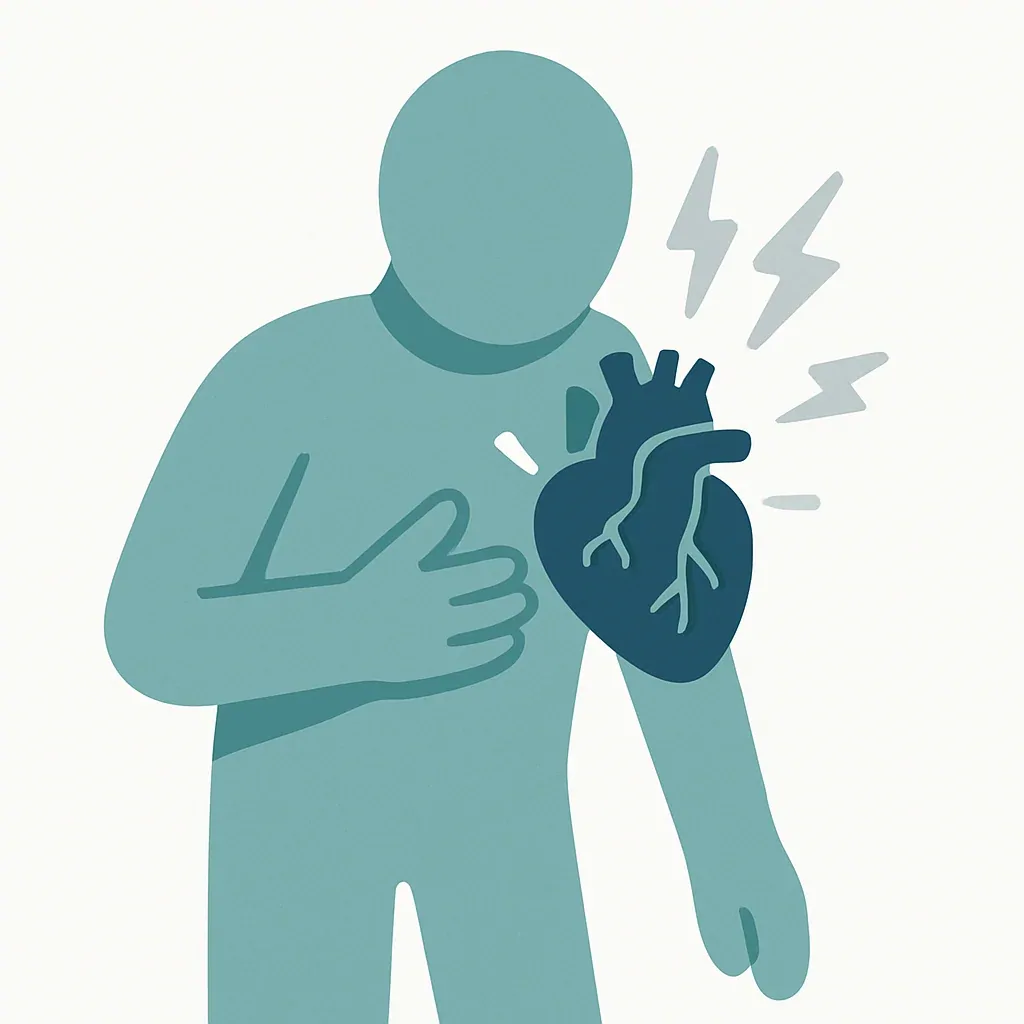
Heart attack means blocked blood flow is damaging the heart muscle. Learn the warning signs, how it differs from cardiac arrest, and what first aid to give while waiting for an ambulance.