Respiratory Arrest
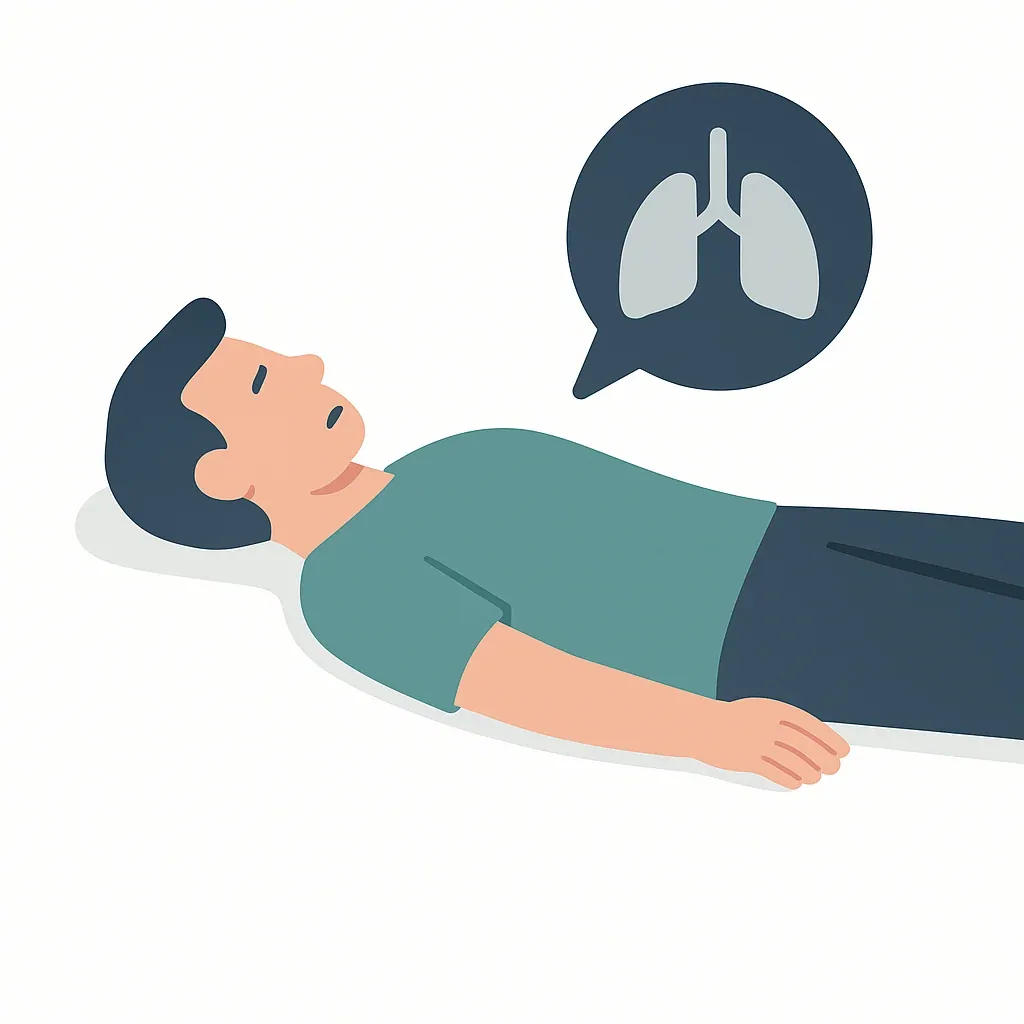
Respiratory arrest means breathing has stopped. Learn what it means in first aid, what to do immediately, and when CPR is needed.


Respiratory arrest means breathing has stopped. Learn what it means in first aid, what to do immediately, and when CPR is needed.
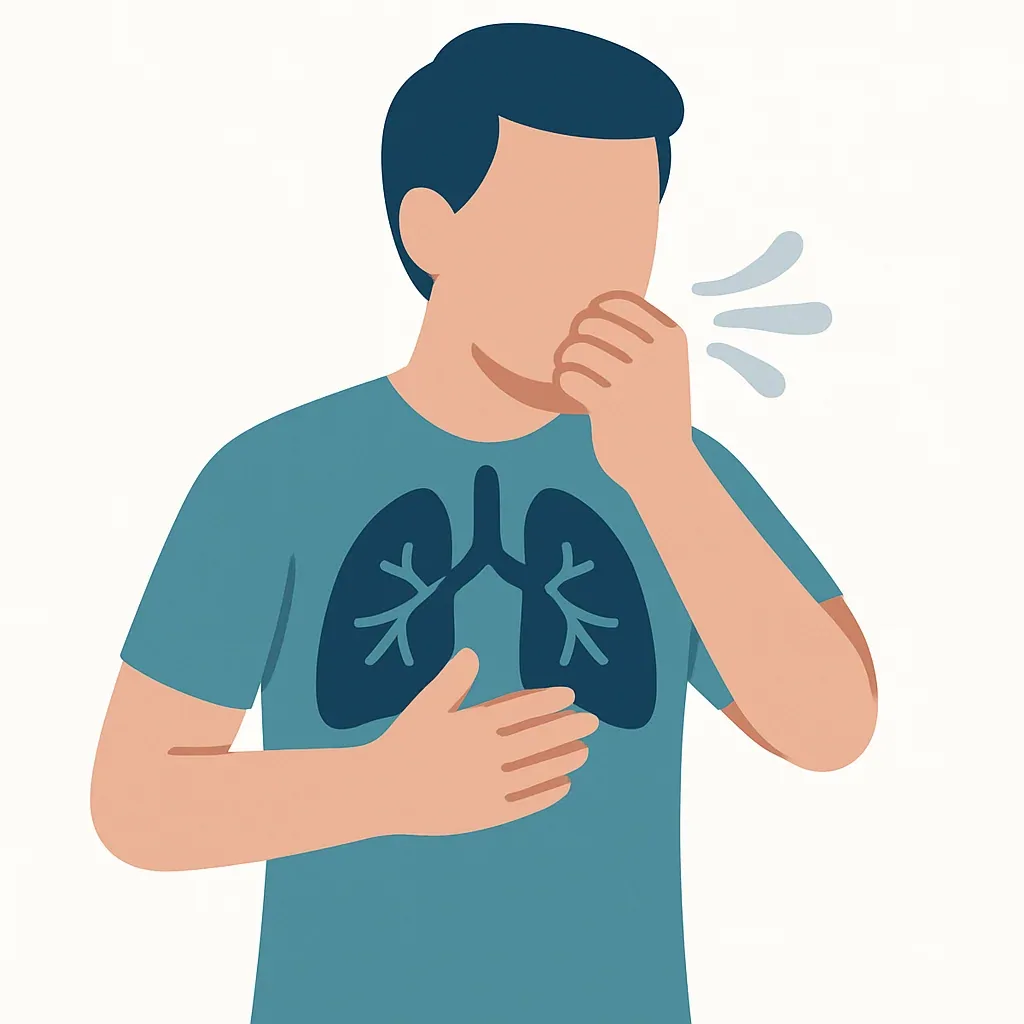
Ineffective breathing means a person is breathing, but not well enough to get enough air. Learn the warning signs, what to do first, and when to call 000.

Apnoea means breathing stops for a period of time. Learn what the term means and when to go to the main respiratory arrest first aid page.
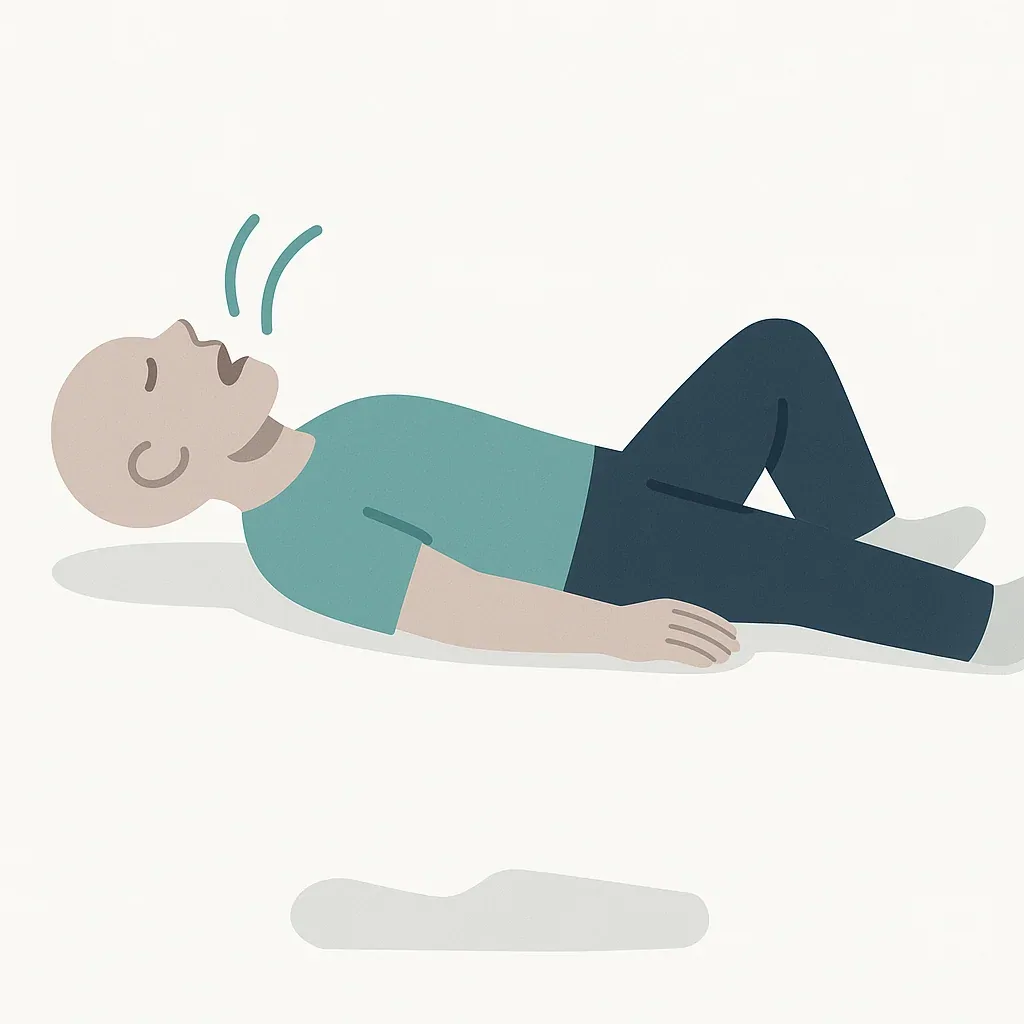
Agonal breathing is not normal breathing. Learn what it looks like, why it is an emergency, and when to start CPR.
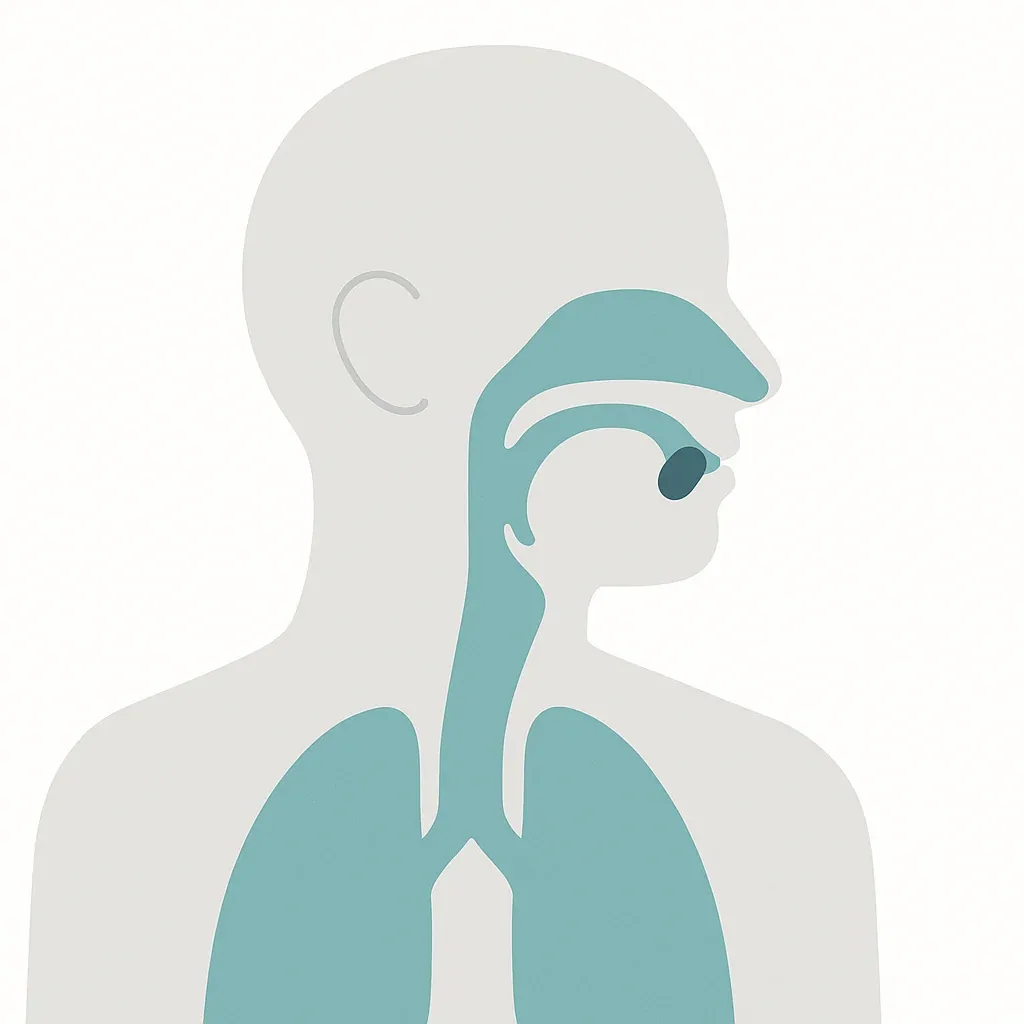
Airway obstruction happens when something blocks the flow of air to the lungs, making it hard to breathe and risking serious harm. Recognizing the signs early and acting quickly can save a life by clearing the airway and restoring proper breathing.

Airway management means keeping a person’s airway open so air can move in and out. Learn when airway management matters in first aid and which practical pages to use next.

ABC means airway, breathing, and circulation. Learn what the ABC approach means in first aid and how it relates to primary survey and DRSABCD.

Resuscitation means emergency actions used to help someone whose breathing or heartbeat has stopped. Learn what the term means and where to find the main practical pages.

Wound dressing is a simple yet essential step in first aid that helps protect cuts and scrapes from dirt and bacteria, speeding up healing and reducing pain. By keeping the injury clean and covered, a wound dressing acts as a shield, giving your skin the best chance to recover safely.

A wound is more than just a skin injury—it’s your body’s shield being broken, letting germs in and triggering the healing process. Knowing how to care for a wound properly is key to preventing infection and helping the body recover quickly.